Select a country or region

Global

English

How to Select a Baghouse Dust Collector? An Explanation of Airflow, Filtration Area, and Model Parameters

Dust removal equipment

1793086471000

How to Select a Baghouse Dust Collector? An Explanation of Airflow, Filtration Area, and Model Parameters

Views:0

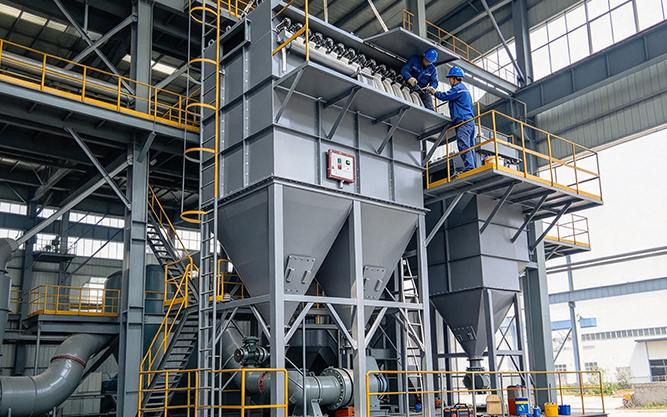
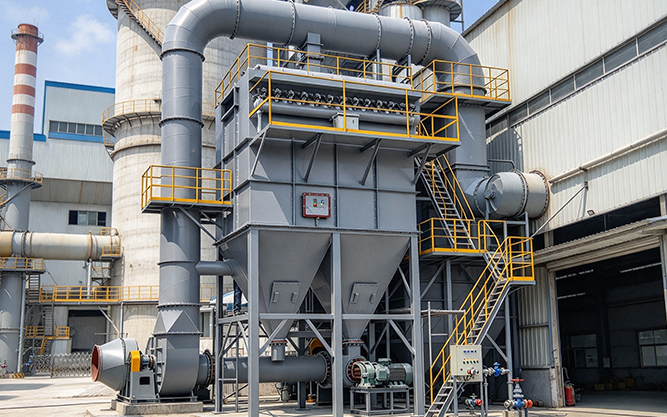
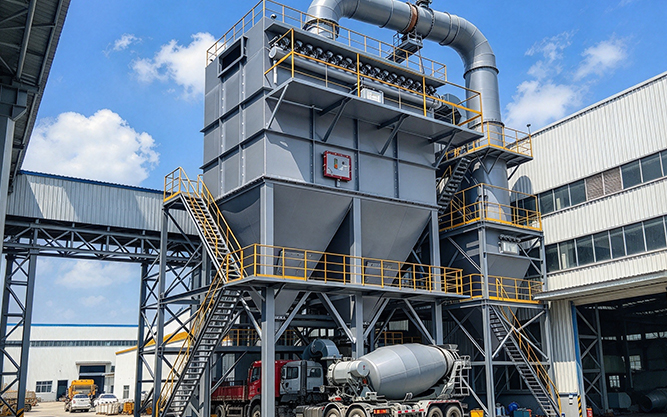
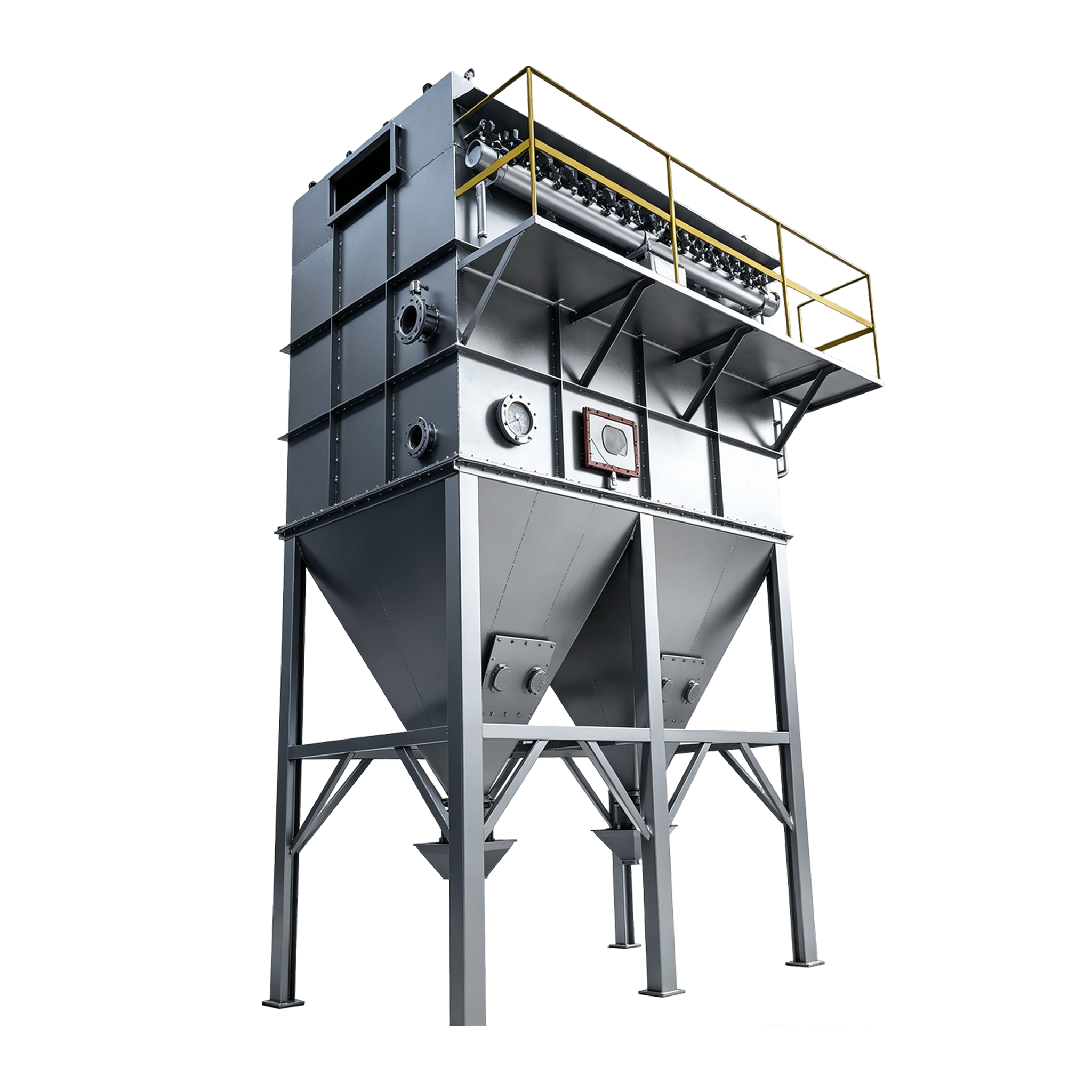
The selection of a baghouse dust collector cannot be based solely on the air volume to be processed; it requires a comprehensive assessment of factors such as dust characteristics, flue gas temperature, filtration velocity, target emission standards, and on-site installation conditions. For the DMC-60 through DMC-360 models, the processing capacity ranges from 3,000 to 20,000 m³/h, with filtration areas spanning 50 to 350 m²; the number of filter bags and the physical dimensions of the equipment vary by model. When selecting a unit, it is essential to verify that the filtration area is appropriately matched to the air volume, and to confirm specifications such as filter bag length, material, the number of pulse valves, equipment pressure drop, and the dust discharge mechanism. If the operating conditions fall outside the scope of standard specifications, the equipment can be customized based on actual air volume, available space, and specific integration requirements.

FAQs

Frequently asked questions related to this article.

View details

How should one select a model for a bag filter?

When selecting equipment, it is necessary to first determine the air volume to be handled, the characteristics of the dust, the flue gas temperature, and the target emission requirements. Subsequently, verify the filtration area, filtration velocity, specifications and quantity of filter bags, the dust-cleaning configuration, and the equipment's pressure drop. Other dimensions, materials, and accessories can be customized according to specific operating conditions.

What are the dust removal efficiency and outlet concentration of a bag filter?

The dust removal efficiency is ≥99.5%, and the outlet concentration is ≤10 mg/m³. Actual results may be influenced by factors such as the properties of the dust, the material of the filter bags, the filtration velocity, the sealing of the equipment, and the operating conditions; specific performance metrics should be determined based on project design specifications and test results.

What is the maximum flue gas temperature that a fabric filter (baghouse) can handle?

The applicable temperature range depends on the material of the filter bag. Standard-temperature filter bags are generally rated for temperatures up to 120°C, while high-temperature versions can withstand up to 260°C. The specific filter medium and its upper temperature limit should be determined by considering the flue gas temperature, humidity, and the characteristics of the dust.

How does a pulse-jet bag filter work?

As dust-laden gas enters the middle chamber, dust particles are trapped on the outer surfaces of the filter bags. The cleaned gas passes through the filter bags into the clean-air chamber and is then discharged. As dust accumulates on the filter bags and the equipment's resistance increases, the pulse control system triggers the solenoid pulse valves; compressed air is then injected into the filter bags, dislodging the accumulated dust, which falls into the hopper and is subsequently removed by the dust discharge mechanism.

What are baghouse dust collectors primarily used for?

Baghouse dust collectors capture solid particles from dust-laden gas streams using filter bags; they are suitable for industrial dust control and the recovery of powdered materials. Common applications include woodworking, construction materials, metallurgy, mining, grain processing, boiler flue gas treatment, as well as processes such as material conveying, packaging, screening, and feeding.

Contact us

If you have questions or need help, contact our team for dedicated support.

We look forward to hearing from you

Submit