Select a country or region

Global

English

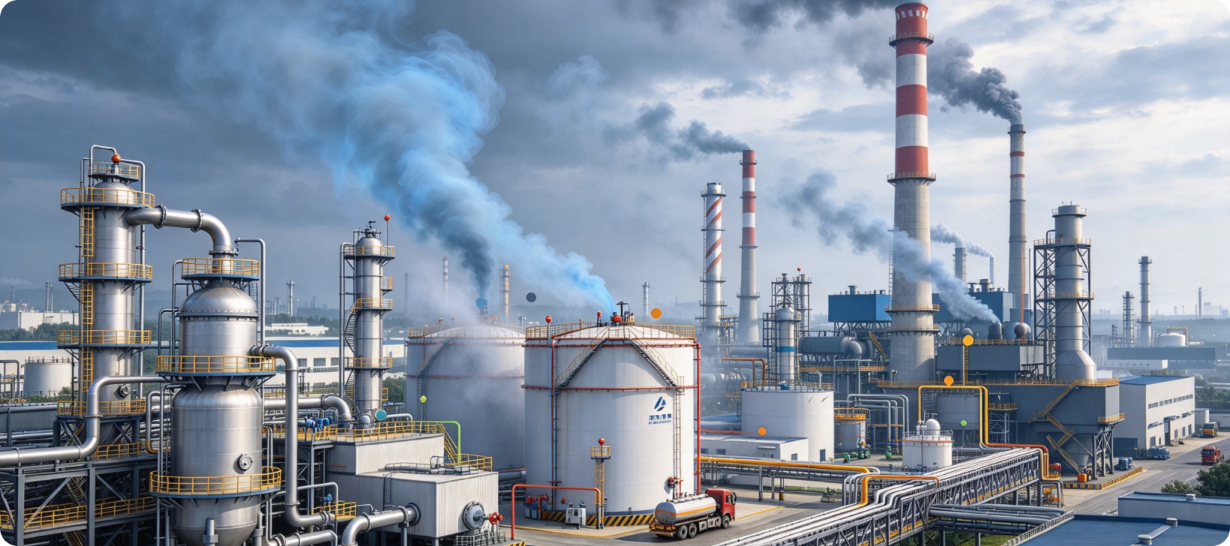
Industry challenges

Extremely corrosive

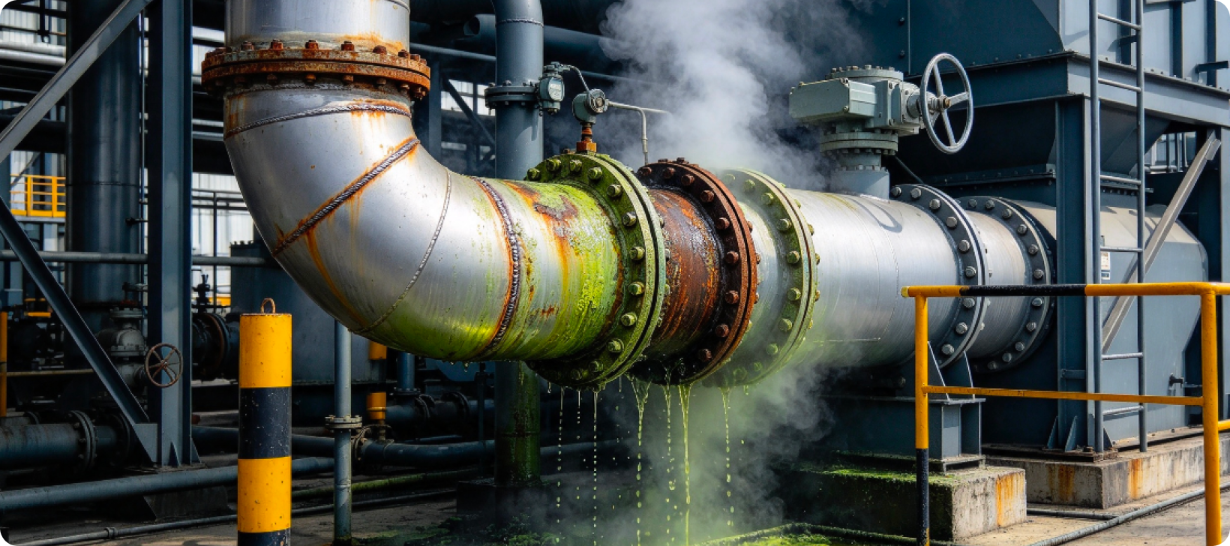
Chloride-containing exhaust can severely corrode ordinary carbon-steel and stainless-steel equipment, causing perforation, aging, and damage. Short service life and frequent replacement increase operating costs.

Difficult to treat

Ordinary spray scrubbing cannot completely remove trace chlorinated organic gases, while a single adsorption process can corrode and fail. Odors and residual pollutants are difficult to keep compliant.

Multiple operation and maintenance risks

Traditional equipment has limited corrosion protection. Long-term operation can cause pipe corrosion, leaks, and exhaust escape, creating safety risks and polluting the plant environment.

Our solutions

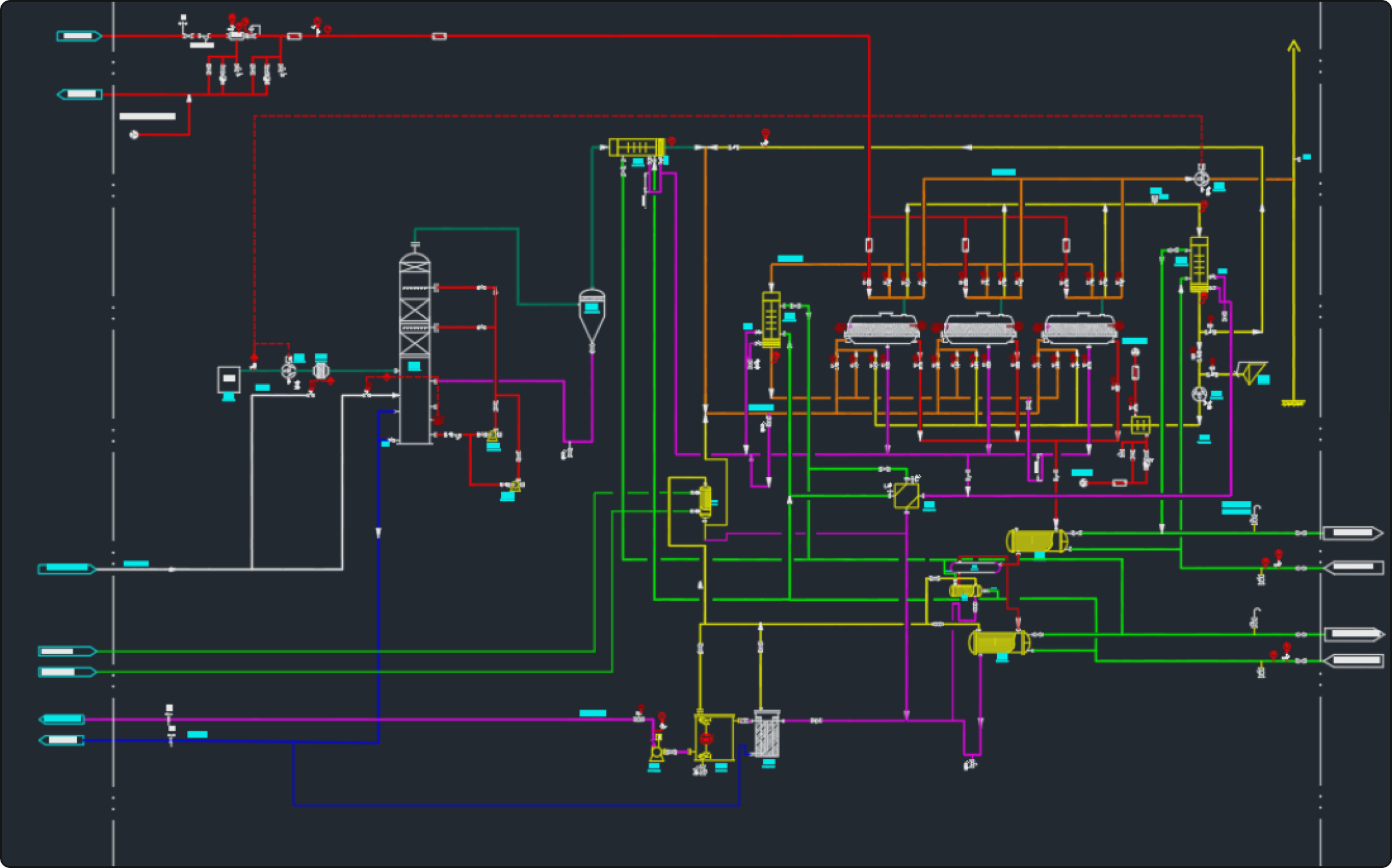
Because chloride exhaust is highly corrosive and difficult to purify completely, we use a dedicated process of wet pretreatment, resin adsorption, and vacuum desorption regeneration.

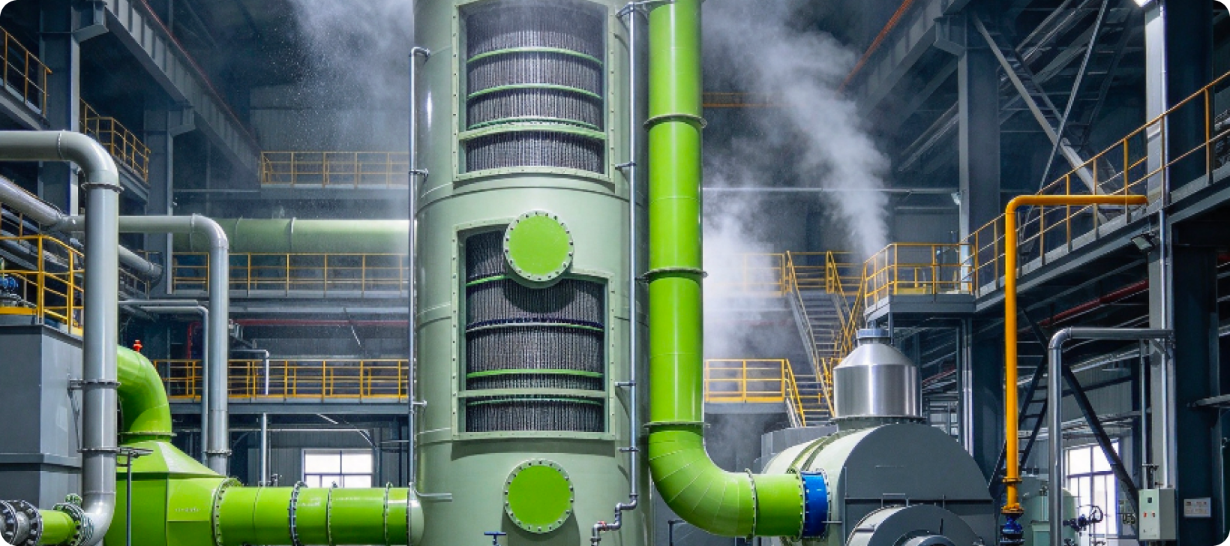
The core equipment includes a spray tower, resin adsorption tank with vacuum desorption, and corrosion-resistant fan.

The spray tower first removes most inorganic chlorine pollutants. Resin then selectively adsorbs chloride components and is regenerated through low-temperature vacuum desorption. This delivers compliant treatment, long equipment life, and adsorbent reuse, making it suitable for highly corrosive industrial conditions overseas.

Process flow for chloride-containing corrosive exhaust treatment

Related products

01

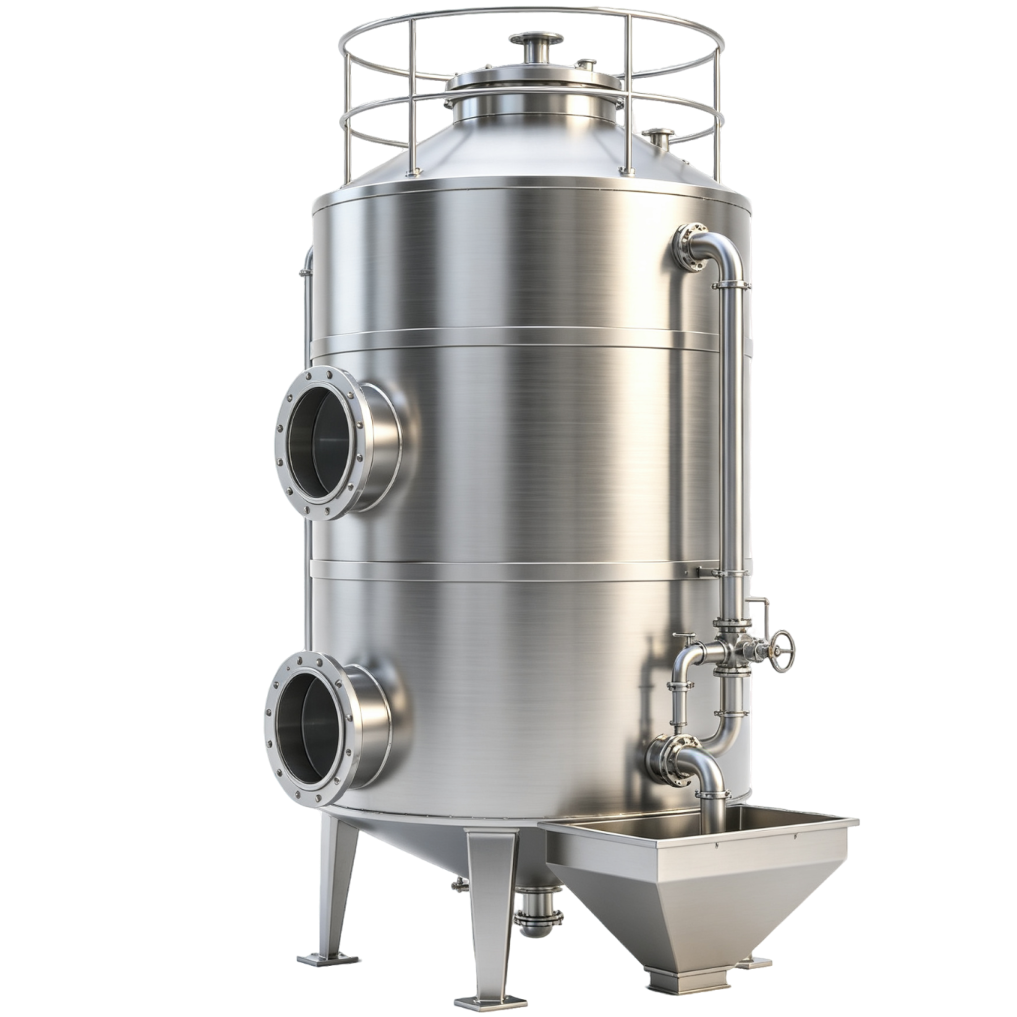
Stainless-steel spray tower

Through counter-current gas-liquid contact, the spray tower efficiently removes acidic and alkaline gases, water-soluble pollutants, and dust.

01

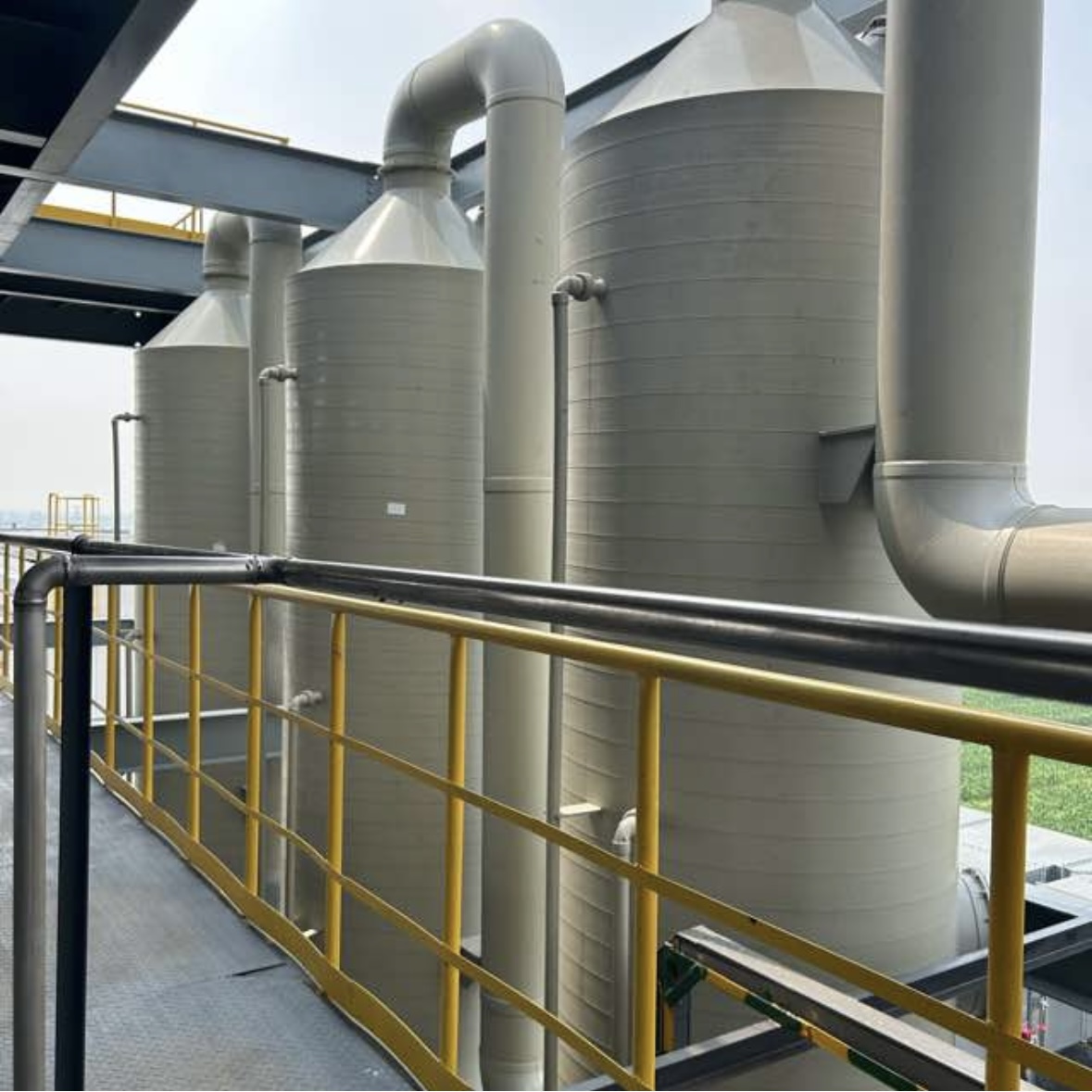
Stainless-steel spray tower

Through counter-current gas-liquid contact, the spray tower efficiently removes acidic and alkaline gases, water-soluble pollutants, and dust.

01

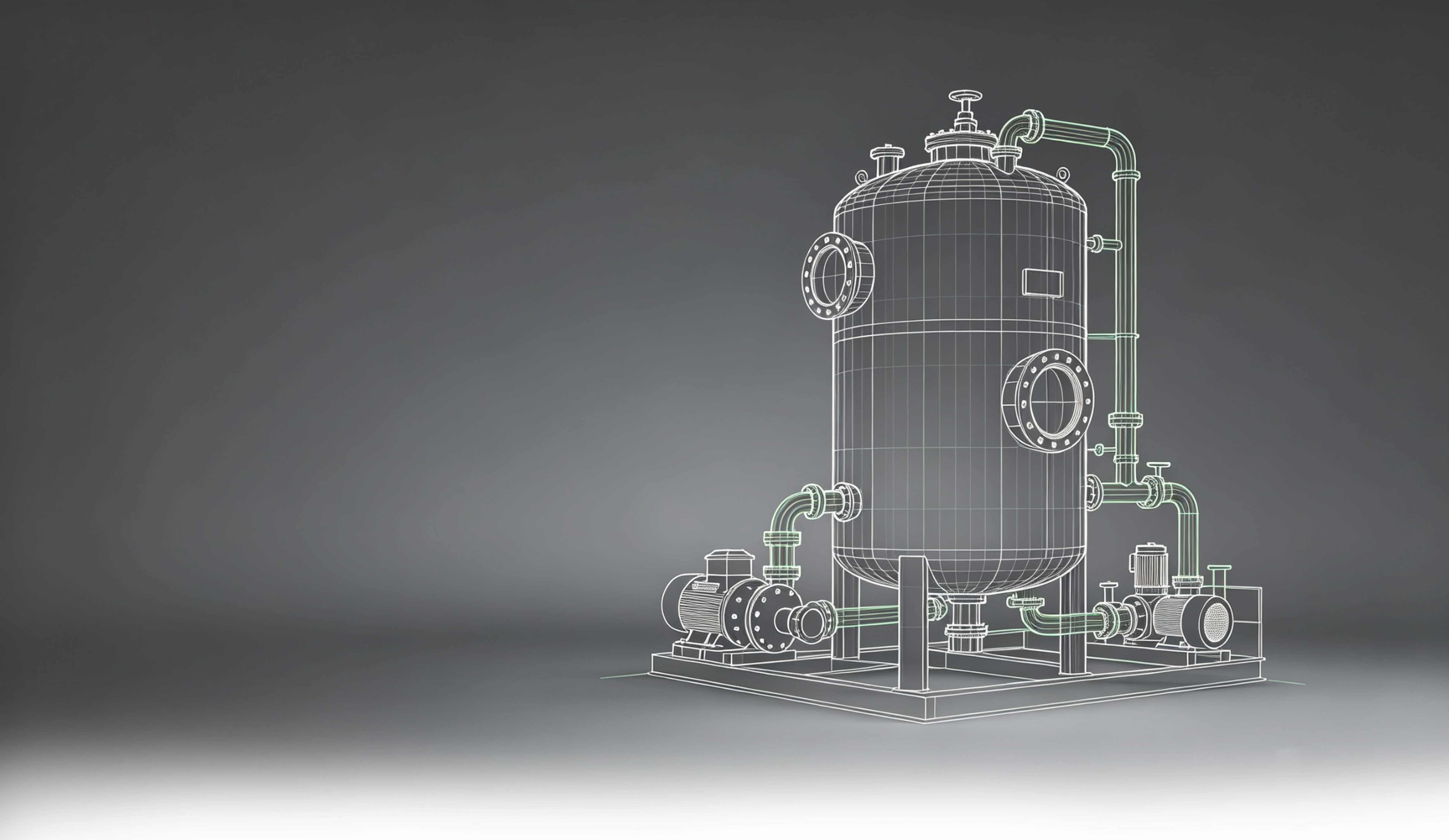
Stainless-steel spray tower

Through counter-current gas-liquid contact, the spray tower efficiently removes acidic and alkaline gases, water-soluble pollutants, and dust.

Manufacturing and servicesHow it works

01

Process-condition customization

Collect chloride concentration, airflow, temperature, and composition data, then customize corrosion-resistant processes and equipment specifications according to local environmental standards.

02

Enhanced corrosion-resistant design

Optimize the equipment structure for chlorine corrosion and strengthen protection at welds, connections, and seals to eliminate weak points.

03

Precision manufacturing

Use integrated forming and refined manufacturing. Complete negative-pressure, airtightness, and corrosion-resistance tests before shipment.

04

Custom export packaging

Use fumigated solid-wood packaging with moisture and rust protection for long-distance sea transport.

05

Installation and commissioning

Provide remote guidance or on-site installation overseas. Adjust equipment pressure, desorption parameters, and spray flow to ensure stable compliant emissions.

06

Long-term after-sales support

Provide free repairs during the warranty period, resin regeneration maintenance, equipment corrosion inspections, and dedicated technical support for overseas customers.

Get your tailored solution

Products you may be interested in

Spray tower

Activated-carbon adsorption tank

Biological deodorization tank

Absorption tower

Requirement customization

Request a quote

OEM customization

Technical support

Upload drawings/files

Submit

FAQs

We could not find what you need. Please contact our team.

View details

Will chloride exhaust corrode the entire equipment system?

The complete system uses corrosion-resistant components, including 316 or 2205 tower bodies and adsorption tanks, corrosion-resistant fans, and piping. It is designed specifically for chlorine corrosion and can achieve a normal service life of 8-10 years.

Does the resin adsorbent need frequent replacement?

The resin can be repeatedly regenerated by vacuum desorption. Under normal conditions, its service life is 3-5 years, so frequent replacement is unnecessary and maintenance costs remain low.

Can the equipment treat high-concentration chloride exhaust?

Multi-stage adsorption and spray scrubbing can be customized to the gas concentration, covering both high- and low-concentration chloride exhaust while maintaining treatment efficiency above 98%.

How safe is the vacuum desorption process?

Low-temperature vacuum desorption avoids high-temperature and high-pressure risks. Explosion protection, pressure relief, and alarm systems ensure safe and stable operation in line with international industrial safety standards.

Contact us

If you have questions or need help, contact our team for dedicated support.

We look forward to hearing from you

Submit