


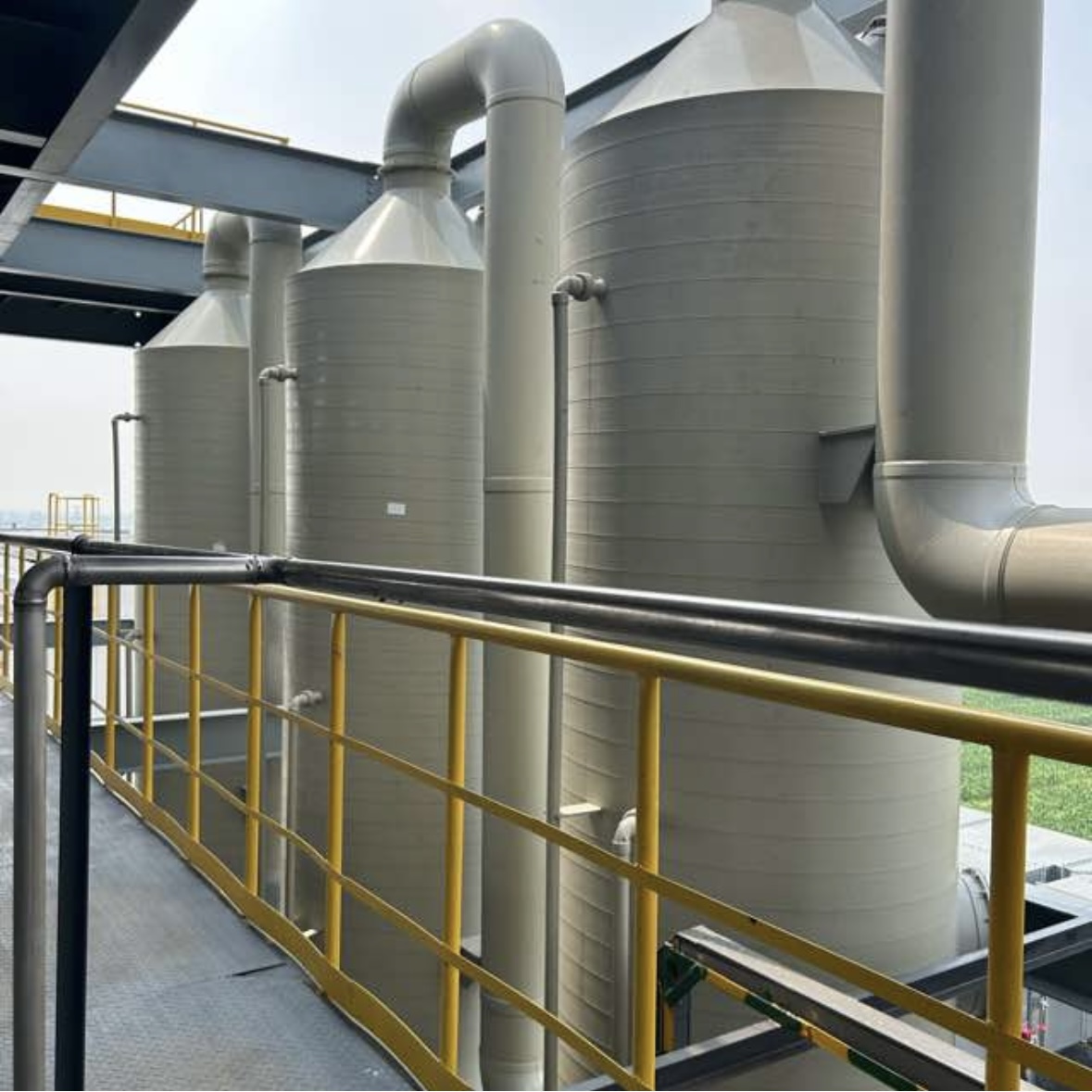





View details
Industrial Exhaust Gas Treatment Equipment
1793241446000
For Which Types of Waste Gas Are Activated Carbon Adsorption Units Suitable? Application Scenarios and Operating Conditions
Online


Send email


Product details
Activated Carbon Adsorption Unit
≥99.5%
Filtration efficiency
≤10 mg/m³
Outlet concentration
Equipment Introduction
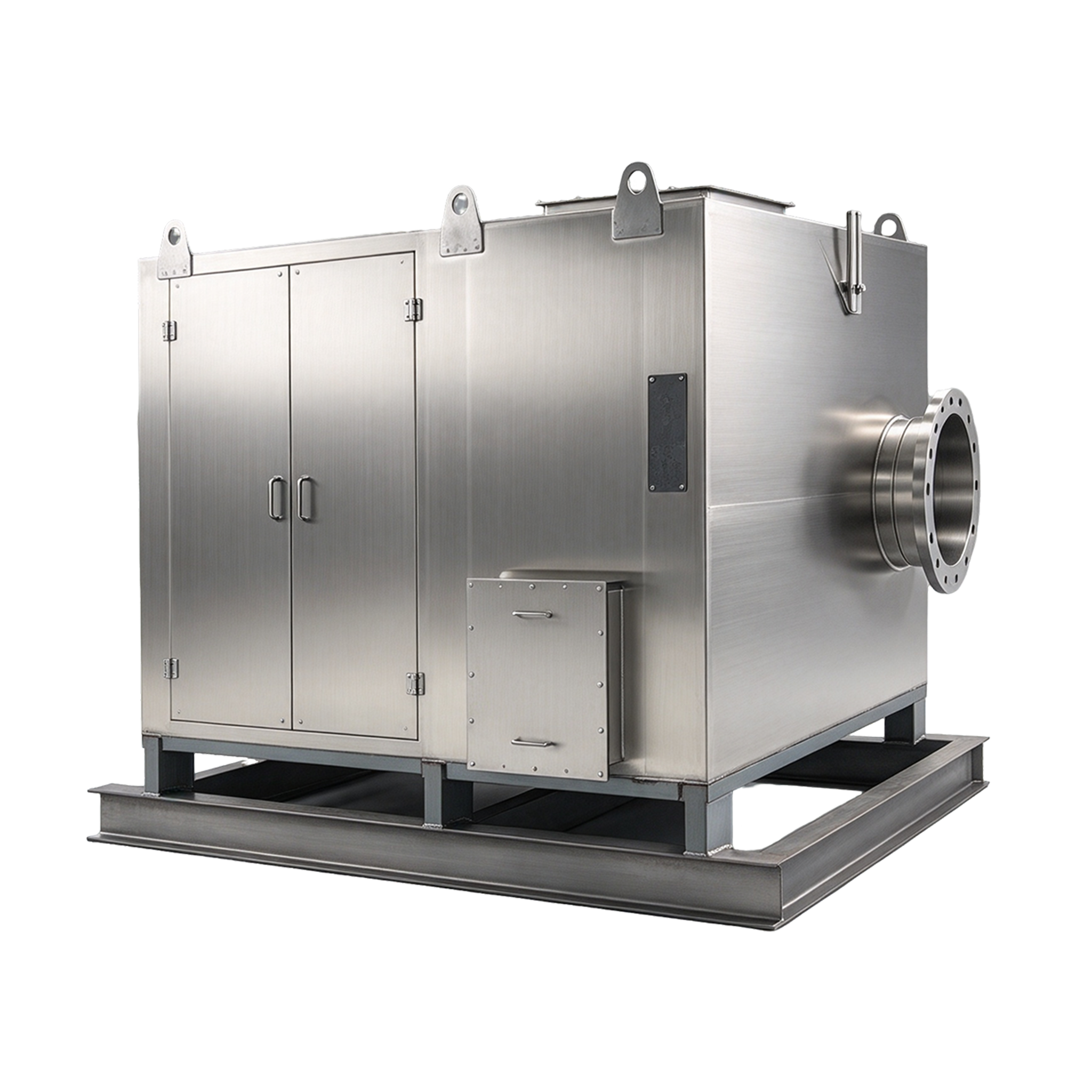
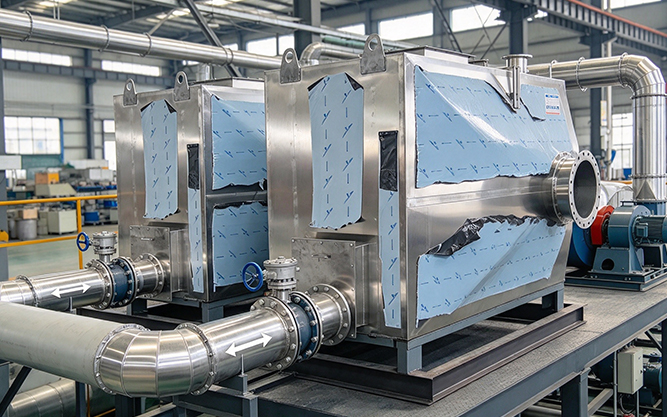
The activated carbon adsorption unit is a modular, drawer-style system designed for the purification of organic waste gases. It utilizes the extensive microporous structure of activated carbon to achieve physical adsorption, making it effective for treating low-concentration, high-volume waste gas streams and odorous emissions. The unit’s housing can be constructed from powder-coated carbon steel, 304/316L stainless steel, or polypropylene (PP). It is filled with either honeycomb or granular/columnar activated carbon, housed in drawer-style filter cartridges that allow for easy installation and replacement. This unit can operate independently or serve as a secondary, high-efficiency purification stage downstream of equipment such as wet scrubbers or UV-based treatment systems; it is a primary solution for the final-stage treatment of industrial waste gases.
Working Principle
Waste gas containing VOCs and odorous substances enters the unit through an inlet and passes uniformly through multiple layers of activated carbon. Organic molecules and odor-causing compounds are captured and trapped within the micropores of the activated carbon, allowing clean, treated air to be discharged through the outlet. Once the activated carbon reaches saturation, the treatment capacity can be restored by sliding out the trays and replacing the activated carbon. The unit itself contains no moving parts, relying on the system’s external draft fan to facilitate the flow of gas.
Applicable Operating Conditions
Treatment of low-concentration, high-volume organic waste gas and malodorous emissions; VOC concentration ≤ 800 mg/m³.
Waste gas temperature ≤ 60°C; avoid operating conditions characterized by high temperatures, high oil-mist content, or high humidity (dehumidification pretreatment is required if humidity > 70%).
Can be integrated in series with equipment such as scrubbing towers, UV-photocatalytic oxidation systems, or RTO (Regenerative Thermal Oxidizer) units.
Treatment capacity: 500–50,000 m³/h; custom solutions for higher flow rates are available upon request.
Common Materials
1) Carbon Steel (Q235)
Advantages: More economical; suitable for dry environments at room temperature.
Disadvantages: Poor corrosion resistance; susceptible to corrosion from acids, alkalis, and moisture.
2) Stainless Steel (304, 316L)
Advantages: High-temperature resistance and excellent corrosion resistance; suitable for high-humidity environments or settings containing weak acids or weak alkalis.
Disadvantages: Higher cost.
3) PP (Polypropylene)
Advantages: Lightweight with strong corrosion resistance (suitable for acidic or alkaline environments).
Disadvantages: Limited high-temperature resistance (typically rated for temperatures ≤60°C).
Application Areas
End-of-pipe exhaust gas purification for industries such as printing, industrial painting/coating, furniture finishing, plastic injection molding, electronics manufacturing, laboratories, pharmaceuticals, food processing, odor control at wastewater treatment plants, and rubber processing.
Product Advantages
High purification efficiency: 90–95% VOC removal rate with excellent deodorization performance.
Modular drawer-style design allows for tool-free activated carbon replacement, ensuring simple maintenance.
No internal energy consumption; relies solely on the system’s fan, resulting in low operating costs.
Available in various materials—powder-coated carbon steel, stainless steel, or PP—to suit corrosive operating environments.
Compact footprint; supports floor-standing or overhead (suspended) installation, suitable for both indoor and outdoor use.
Purely physical adsorption process; generates no secondary wastewater.
Parameters and Specifications
|
model |
Air volume(m³/h) |
Enclosure dimensions L×W×H(mm) |
Reference Dimensions for Transition Sections(mm) |
Coal seam thickness |
Granular carbon loading |
Plate thickness |
常用材质 |
过滤风速 |
|
HCA‑3000 |
3000 |
1400×1400×1200 |
400 meters on each side |
300mm |
0.6m3 |
FRP 8/304 1.5~2mm |
FRP / 304 |
0.3-0.5 m/s |
|
HCA‑5000 |
5000 |
1600×1600×1500 |
500 meters on each side |
400mm |
1m3 |
FRP 10/304 2mm |
FRP / 304 |
0.3-0.5 m/s |
|
HCA‑8000 |
8000 |
2100×2100×1800 |
600 meters on each side |
400mm |
1.77m3 |
FRP 12/304 2~3.0mm |
FRP / 304 |
0.3-0.5 m/s |
|
HCA‑10000 |
10000 |
2300×2300×2000 |
700 meters on each side |
400mm |
2.12m3 |
FRP 12/304 3.0mm |
FRP / 304 |
0.3-0.5 m/s |
|
HCA‑20000 |
20000 |
3300×3300×3000 |
1000 meters on each side |
500mm |
5.45m3 |
FRP 14/304 3.0~3.5mm |
FRP / 304 |
0.3-0.5 m/s |
Key Technical Parameters
Equipment resistance: 300–600 Pa; activated carbon loading capacity is customizable; air leakage rate ≤ 2%; filler options include honeycomb activated carbon or granular (columnar) activated carbon.
Customization Details: Airflow volume, dimensions, housing material, and filler type can all be tailored to the client’s specific operating conditions; OEM services are available.
Related articles
Industrial Exhaust Gas Treatment Equipment
1793241446000
For Which Types of Waste Gas Are Activated Carbon Adsorption Units Suitable? Application Scenarios and Operating Conditions
Activated Carbon Adsorption Unit
1793241426000
How to Choose Between Honeycomb Activated Carbon and Granular Activated Carbon? A Guide to Selecting Filter Media for Adsorption Units
Industrial Exhaust Gas Treatment Equipment
1793241334000
How to Maintain Activated Carbon Adsorption Units: Replacement Cycles and Operational Management Essentials
OEM
Customized for your process conditions
Get a tailored solution
FAQs
We could not find what you need. Please contact our team.
View details
Can an activated carbon adsorption unit be used in combination with other exhaust gas treatment equipment?
It can be used independently or integrated in series with equipment such as a spray tower, UV system, or RTO, serving as a downstream advanced purification unit. The specific configuration sequence and treatment performance should be evaluated based on the composition and concentration of the waste gas, as well as the overall process requirements.
How should activated carbon be handled once it reaches saturation through adsorption?
Once the activated carbon reaches adsorption saturation, the filter cartridge can be removed and the activated carbon replaced to restore the equipment's treatment capacity. The replacement frequency depends on factors such as the composition and concentration of the waste gas, the airflow rate, and the duration of operation; it should be determined based on actual usage conditions.
What temperature and humidity conditions are suitable for activated carbon adsorption units?
The provided documentation specifies an exhaust gas temperature of ≤60°C; the equipment is not suitable for operating conditions characterized by high temperatures, high oil-mist concentrations, or high humidity. If the relative humidity exceeds 70%, a pre-dehumidification stage is required. Specific operational limits should be determined based on the actual exhaust gas conditions and the equipment design.
What forms of activated carbon are used in activated carbon adsorption units?
The unit can be loaded with either honeycomb activated carbon or granular/columnar activated carbon. It utilizes a drawer-style filter cartridge design, which facilitates easy installation, removal, and replacement. The specific type of activated carbon to be used should be determined based on factors such as the composition of the exhaust gas, the airflow volume, and the equipment configuration.
How does an activated carbon adsorption unit purify waste gas?
After entering the unit, the exhaust gas passes through a bed of activated carbon, where organic molecules and odorous substances are adsorbed and trapped within the micropores of the carbon. The treated gas is then discharged through the outlet. The movement of the gas is driven by the system's induced-draft fan.
What types of waste gas are primarily treated by activated carbon adsorption units?
Primarily used for the treatment of organic waste gases and odorous gases characterized by low concentrations and high flow rates; the applicable VOC concentration specified in the documentation is ≤800 mg/m³. Suitability should be further verified based on the specific composition of the waste gas, its concentration, and the operating conditions.


Contact us
If you have questions or need help, contact our team for dedicated support.
We look forward to hearing from you
Submit
Online
Send email