




View details
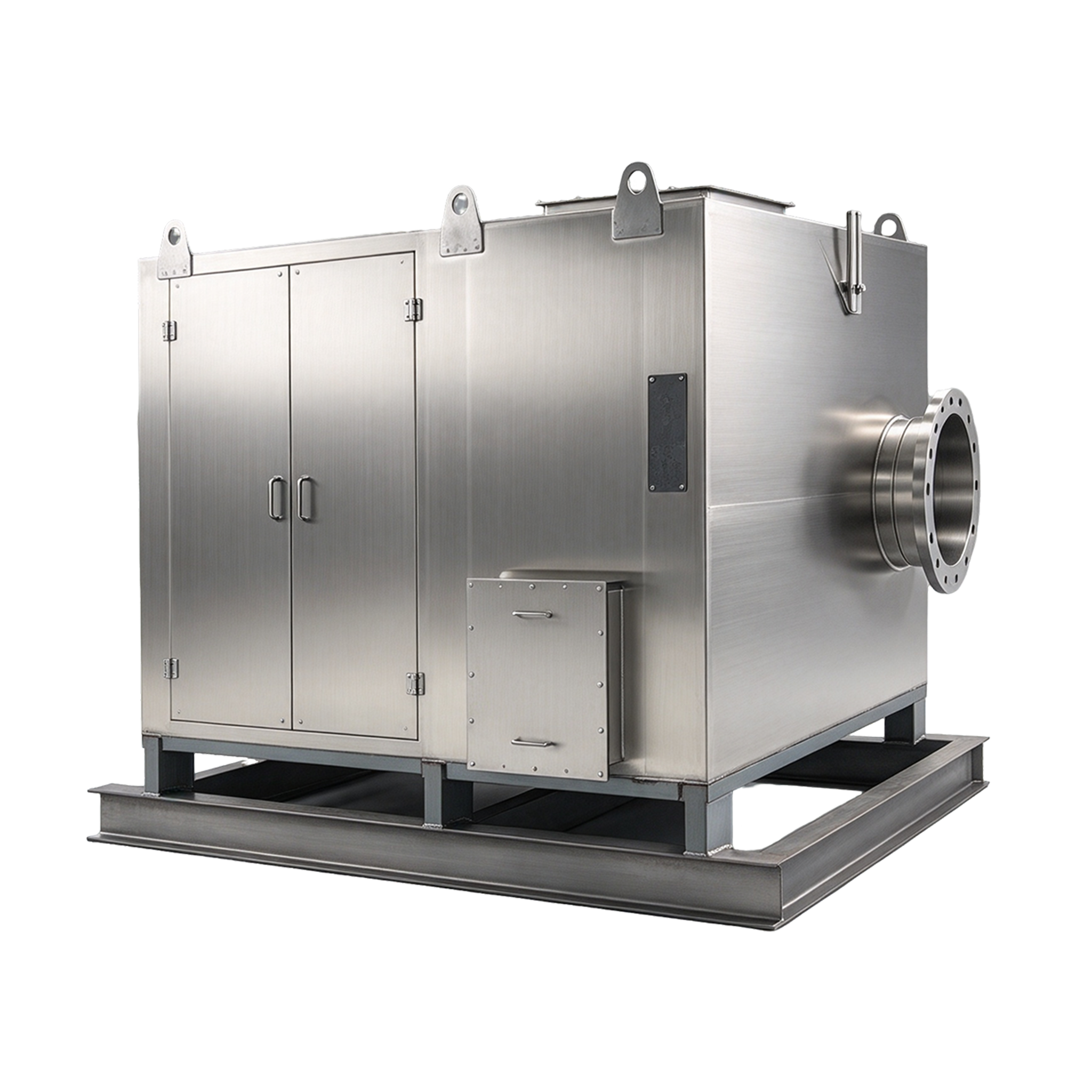
Activated Carbon Adsorption Unit
How to Choose Between Honeycomb Activated Carbon and Granular Activated Carbon? A Guide to Selecting Filter Media for Adsorption Units
Online


Send email


Industrial Exhaust Gas Treatment Equipment
1793083593000
For Which Types of Waste Gas Are Activated Carbon Adsorption Units Suitable? Application Scenarios and Operating Conditions
Views:0
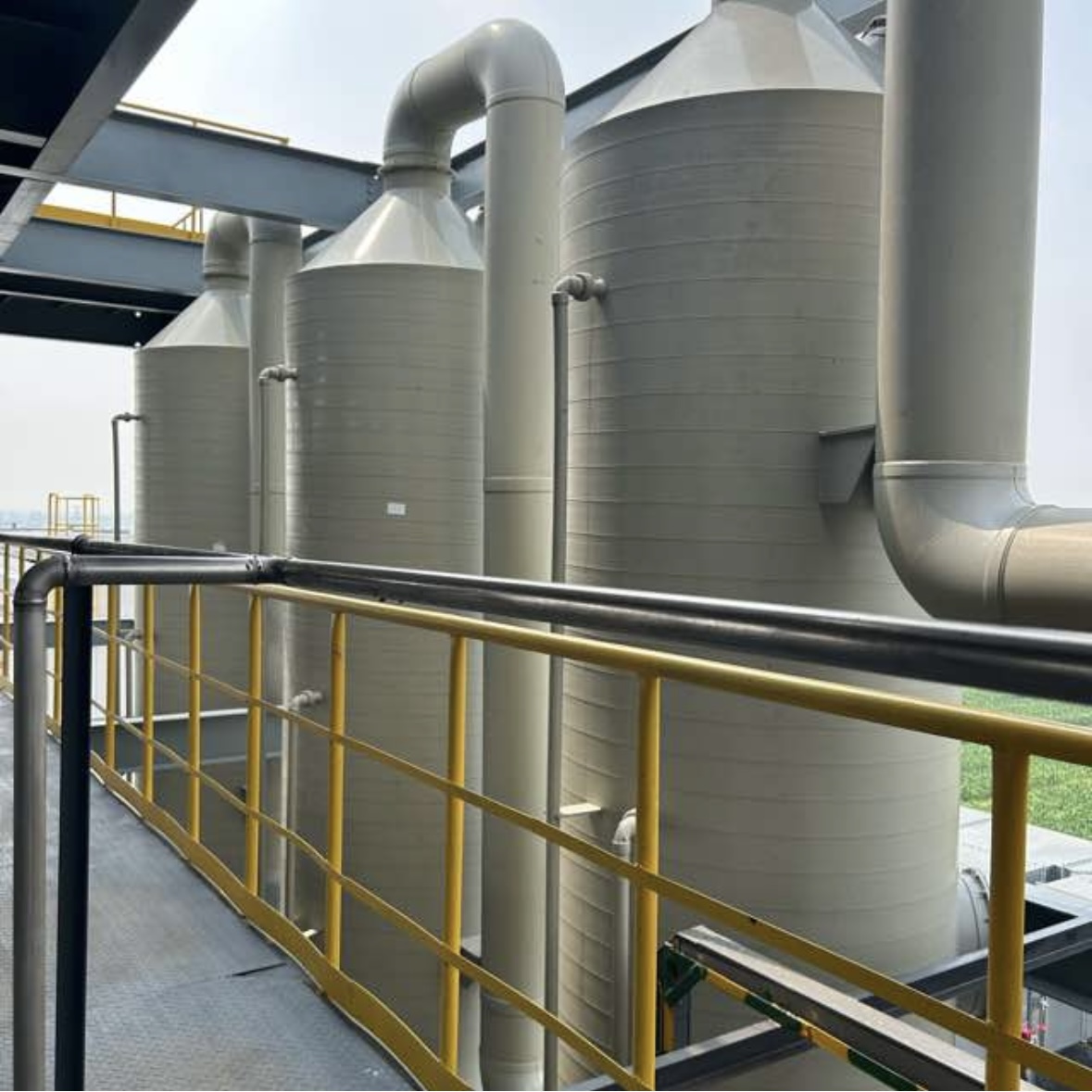
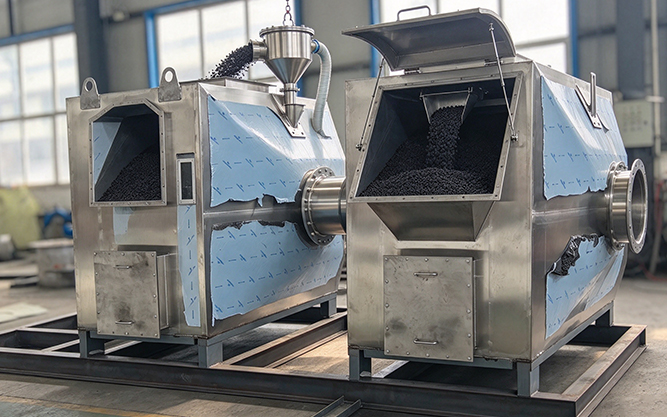
Activated carbon adsorption units are commonly used for the final-stage purification of organic waste gases and odorous emissions characterized by low concentrations and high flow rates. They are suitable for applications in sectors such as printing, industrial painting and coating, furniture finishing, plastic injection molding, electronics manufacturing, pharmaceuticals, food processing, wastewater treatment, and rubber processing. The specified operating parameters are a VOC concentration of ≤800 mg/m³ and an exhaust gas temperature of ≤60°C. Processes involving high levels of oil mist, high temperatures, or high humidity require careful assessment; if the relative humidity exceeds 70%, pre-dehumidification should be considered. Before selecting a system, it is essential to verify the composition, concentration, temperature, humidity, and flow rate of the waste gas to determine whether activated carbon adsorption is an appropriate solution and whether any pre-treatment is necessary.
Related articles
Activated Carbon Adsorption Unit
How to Choose Between Honeycomb Activated Carbon and Granular Activated Carbon? A Guide to Selecting Filter Media for Adsorption Units
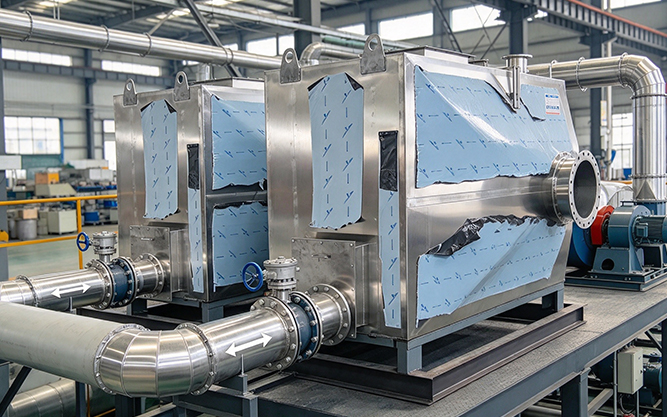
Industrial Exhaust Gas Treatment Equipment
How to Maintain Activated Carbon Adsorption Units: Replacement Cycles and Operational Management Essentials
Related products
FAQs
Frequently asked questions related to this article.
View details
Can an activated carbon adsorption unit be used in combination with other exhaust gas treatment equipment?
How should activated carbon be handled once it reaches saturation through adsorption?
What temperature and humidity conditions are suitable for activated carbon adsorption units?
What forms of activated carbon are used in activated carbon adsorption units?
How does an activated carbon adsorption unit purify waste gas?
What types of waste gas are primarily treated by activated carbon adsorption units?


Contact us
If you have questions or need help, contact our team for dedicated support.
We look forward to hearing from you
Submit
Online
Send email