




View details
Industrial Exhaust Gas Treatment Equipment
For Which Types of Waste Gas Are Activated Carbon Adsorption Units Suitable? Application Scenarios and Operating Conditions
Online


Send email


Industrial Exhaust Gas Treatment Equipment
1793083700000
How to Maintain Activated Carbon Adsorption Units: Replacement Cycles and Operational Management Essentials
Views:0
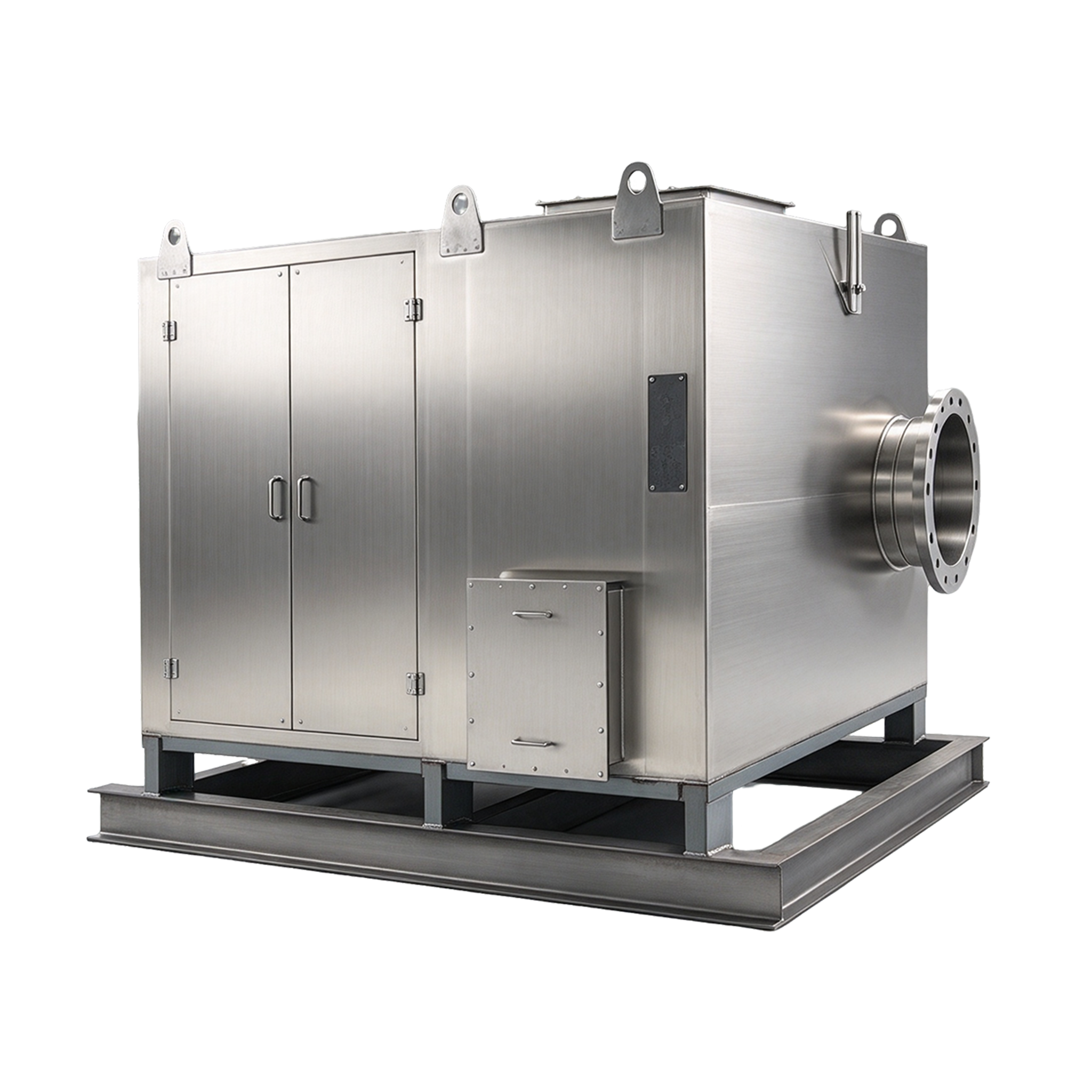
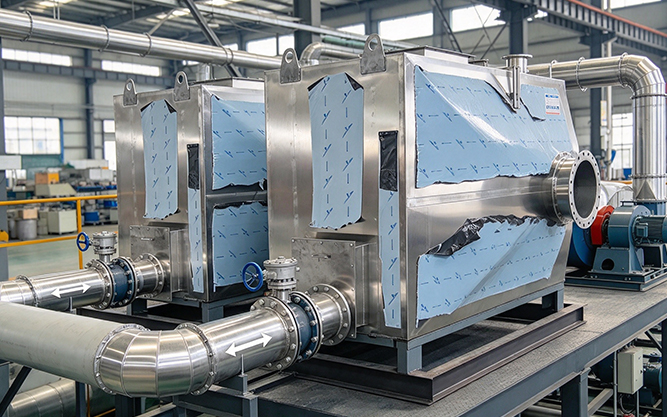
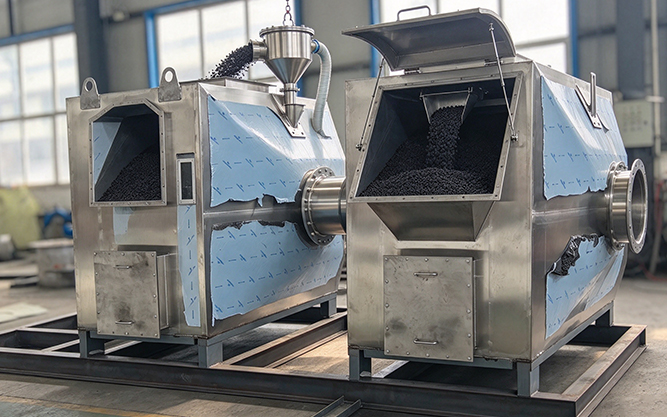
The activated carbon adsorption unit features a modular, drawer-style design, allowing for the removal of filter cartridges to replace the activated carbon once it reaches saturation. The replacement interval is not fixed; it depends on factors such as the composition of the exhaust gas, pollutant concentrations, airflow volume, duration of operation, and the effectiveness of any upstream pre-treatment. Maintenance schedules should be established based on actual operating conditions. The unit itself contains no moving parts, with gas flow driven by the system’s exhaust fan. Operational management should also account for parameters such as inlet temperature, humidity, and the presence of oil mist, ensuring that conditions remain within the specified operational limits. Spent activated carbon must be disposed of properly, in accordance with the nature of the adsorbed substances and local regulatory requirements.
Related articles
Industrial Exhaust Gas Treatment Equipment
For Which Types of Waste Gas Are Activated Carbon Adsorption Units Suitable? Application Scenarios and Operating Conditions
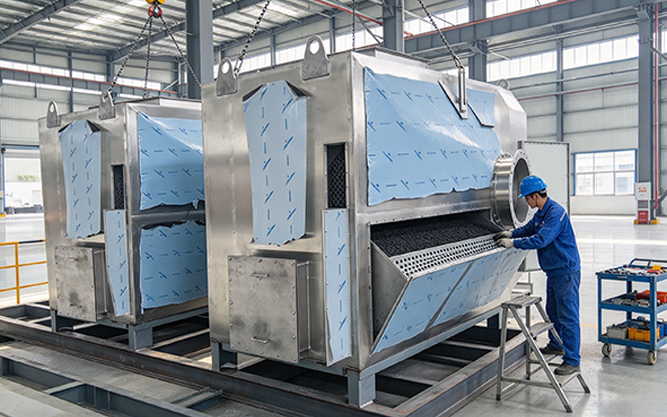
Activated Carbon Adsorption Unit
How to Choose Between Honeycomb Activated Carbon and Granular Activated Carbon? A Guide to Selecting Filter Media for Adsorption Units
Related products
FAQs
Frequently asked questions related to this article.
View details
Can an activated carbon adsorption unit be used in combination with other exhaust gas treatment equipment?
How should activated carbon be handled once it reaches saturation through adsorption?
What temperature and humidity conditions are suitable for activated carbon adsorption units?
What forms of activated carbon are used in activated carbon adsorption units?
How does an activated carbon adsorption unit purify waste gas?
What types of waste gas are primarily treated by activated carbon adsorption units?


Contact us
If you have questions or need help, contact our team for dedicated support.
We look forward to hearing from you
Submit
Online
Send email