




View details
Industrial Exhaust Gas Treatment Equipment
How do activated carbon adsorption tanks recover organic solvents? An explanation of the adsorption and desorption process.
Online


Send email


Industrial Exhaust Gas Treatment Equipment
1793083846000
What is the difference between an activated carbon adsorption tank and an adsorption box? How do you choose the right equipment?
Views:0
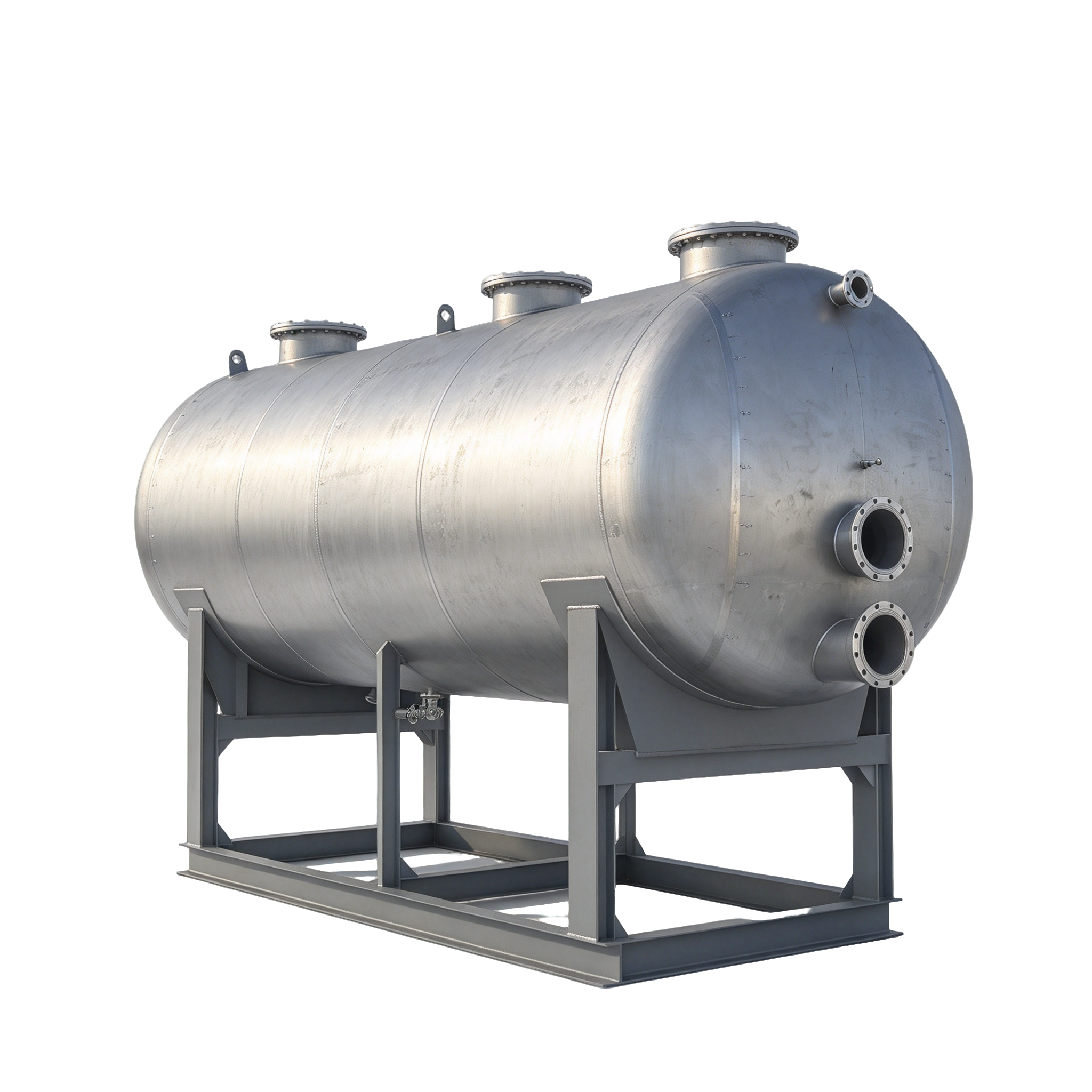
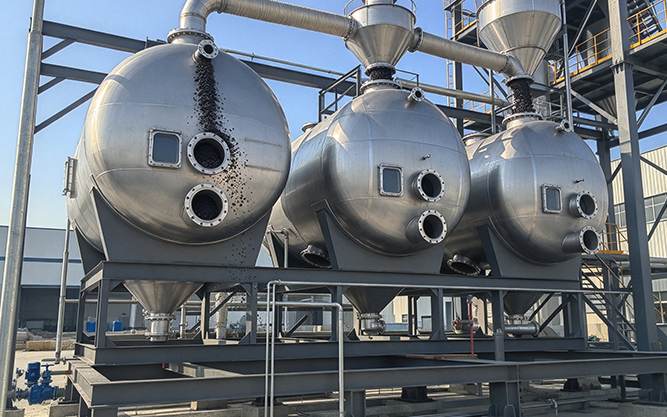
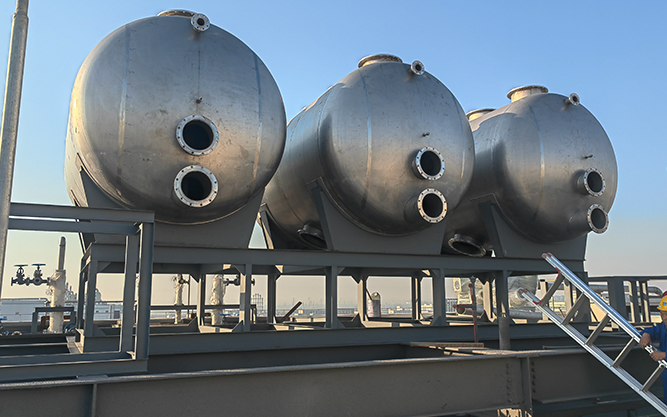
Both activated carbon adsorption tanks and adsorption boxes utilize activated carbon to capture pollutants from waste gas; however, they differ in terms of equipment structure, maintenance requirements, and operational applications. Adsorption tanks feature a vertical vessel design filled with granular activated carbon and are equipped with valves and piping; they support both adsorption and desorption/regeneration cycles, making them suitable for enclosed processes and the recovery of organic solvents. Adsorption boxes typically employ a drawer-style filter cartridge design, where the treatment capacity is restored by replacing the saturated activated carbon. When selecting equipment, it is essential to consider factors such as the waste gas flow rate, the composition and concentration of pollutants, whether solvent recovery is required, and whether the project involves intermittent or continuous operation. In cases requiring a multi-tank switching configuration, the adsorption cycle duration, as well as the time required for desorption and cooling, must also be factored into the equipment configuration assessment.
Related articles
Industrial Exhaust Gas Treatment Equipment
How do activated carbon adsorption tanks recover organic solvents? An explanation of the adsorption and desorption process.
Industrial Exhaust Gas Treatment Equipment
What parameters are required for selecting an activated carbon adsorption tank? Information on models and system configuration.
Related products
FAQs
Frequently asked questions related to this article.
View details
What is the difference between an activated carbon adsorption tank and an activated carbon adsorption box?
What are the materials and specifications for activated carbon adsorption tanks?
What is the applicable temperature range for an activated carbon adsorption tank?
Can an activated carbon adsorption tank operate continuously?
How is solvent recovery achieved using an activated carbon adsorption tank?
What kind of waste gas are activated carbon adsorption tanks primarily used to treat?


Contact us
If you have questions or need help, contact our team for dedicated support.
We look forward to hearing from you
Submit
Online
Send email