




View details
Industrial Exhaust Gas Treatment Equipment
How do activated carbon adsorption tanks recover organic solvents? An explanation of the adsorption and desorption process.
Online


Send email


Industrial Exhaust Gas Treatment Equipment
1793083871000
What parameters are required for selecting an activated carbon adsorption tank? Information on models and system configuration.
Views:0
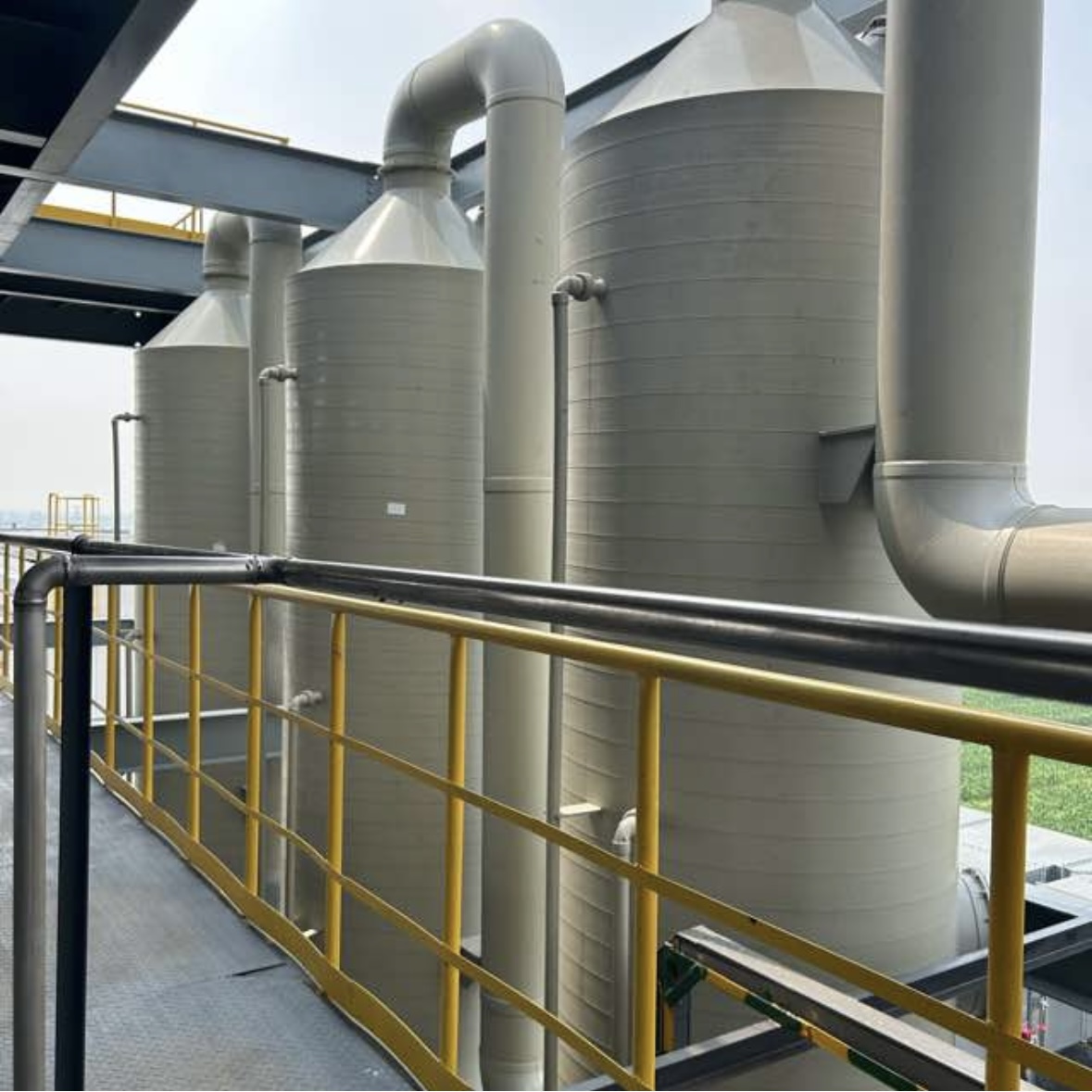
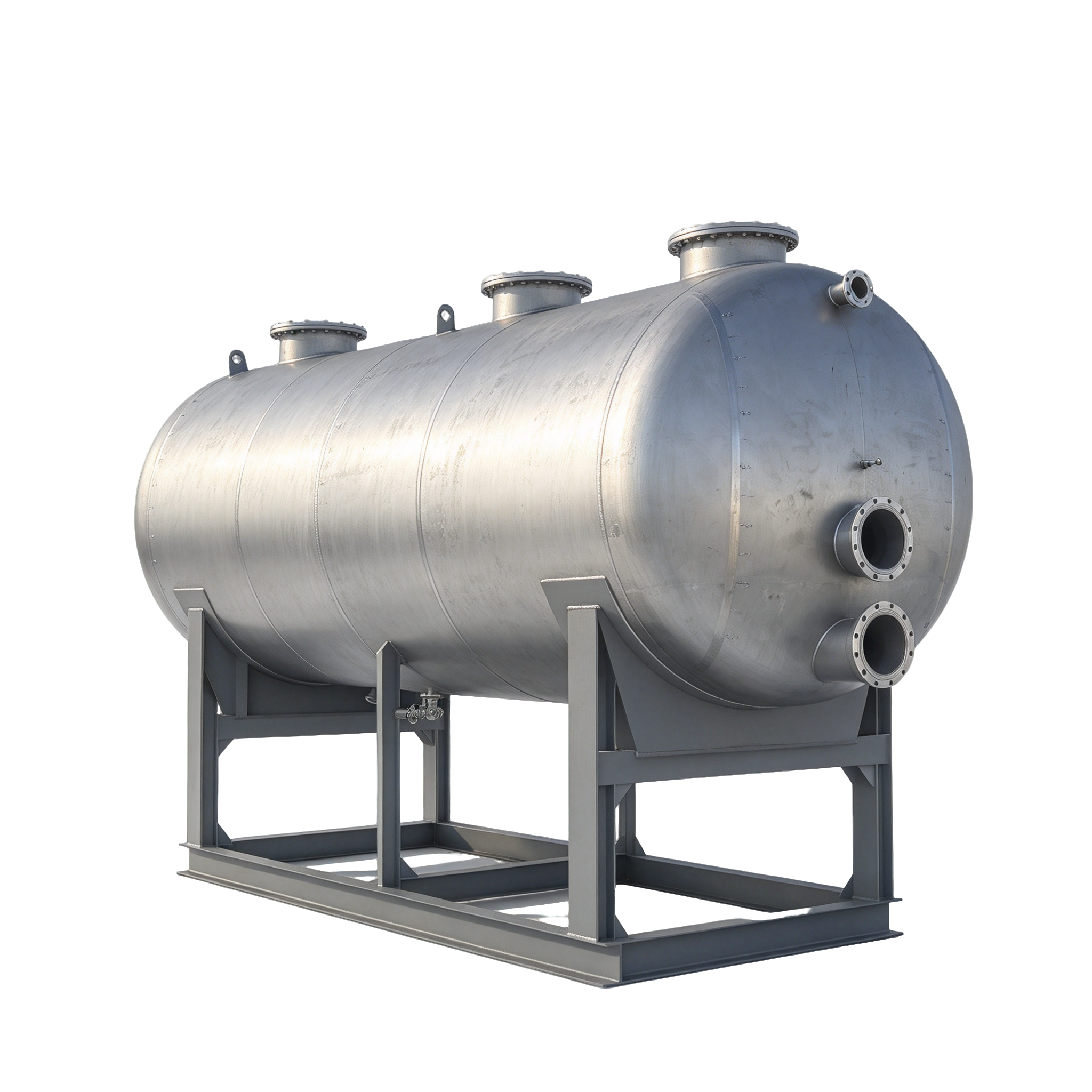
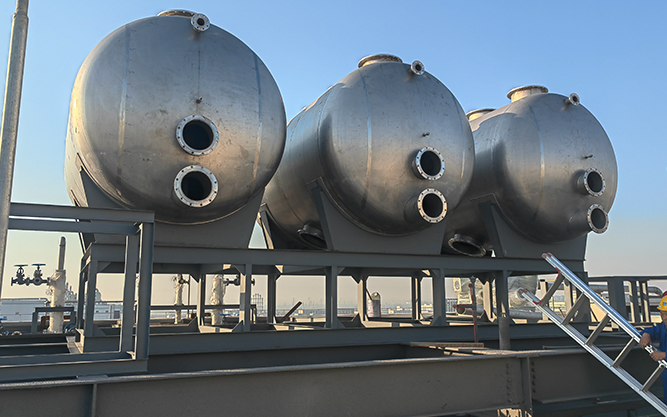
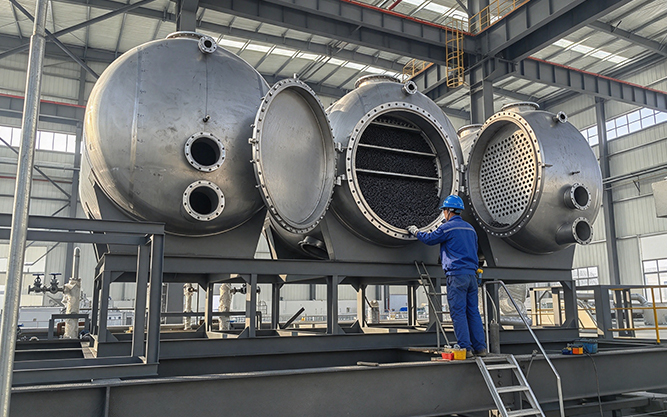
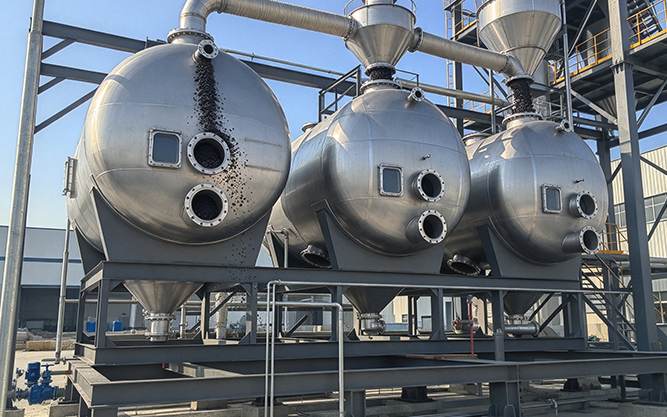
The selection of an activated carbon adsorption vessel depends not only on the air treatment volume, but also on factors such as the composition, concentration, and temperature of the waste gas, as well as the operating duration and requirements for solvent recovery. The VCA-G1000, VCA-G3000, and VCA-G5000 models listed in the documentation feature air treatment capacities of 1,000, 3,000, and 5,000 m³/h, respectively, with corresponding variations in vessel diameter, height, and material specifications. System design must also account for the adsorption cycle, the desorption method, the desorption steam pressure, and auxiliary equipment such as condensers and separators; the specified desorption steam pressure ranges from 0.05 to 0.2 MPa. Vessel dimensions, pressure ratings, and control systems can be customized for specific projects, and the final model, materials, and technical parameters should be determined based on an assessment of actual operating conditions.
Related articles
Industrial Exhaust Gas Treatment Equipment
How do activated carbon adsorption tanks recover organic solvents? An explanation of the adsorption and desorption process.
Industrial Exhaust Gas Treatment Equipment
What is the difference between an activated carbon adsorption tank and an adsorption box? How do you choose the right equipment?
Related products
FAQs
Frequently asked questions related to this article.
View details
What is the difference between an activated carbon adsorption tank and an activated carbon adsorption box?
What are the materials and specifications for activated carbon adsorption tanks?
What is the applicable temperature range for an activated carbon adsorption tank?
Can an activated carbon adsorption tank operate continuously?
How is solvent recovery achieved using an activated carbon adsorption tank?
What kind of waste gas are activated carbon adsorption tanks primarily used to treat?


Contact us
If you have questions or need help, contact our team for dedicated support.
We look forward to hearing from you
Submit
Online
Send email