




View details
Distillation column
How does a distillation column separate mixtures? An explanation of the processes at the top, the bottom, and the reflux system.
Online


Send email


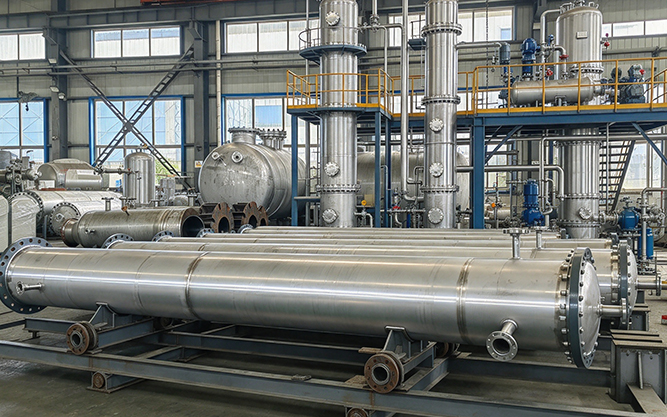
Distillation column
1793087770000
What parameters are required for selecting a distillation column? Guidance on column diameter, throughput capacity, and material specifications.
Views:0
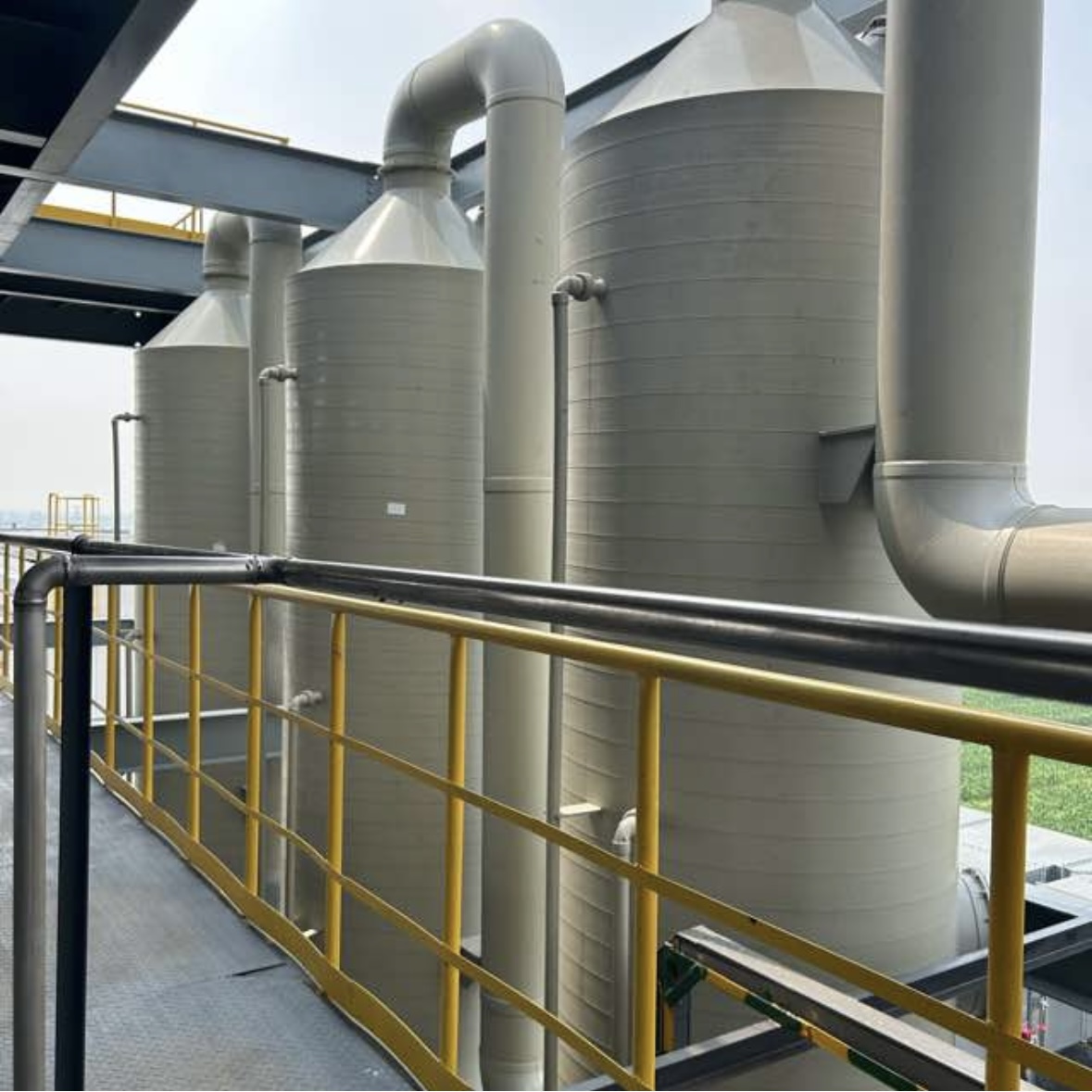
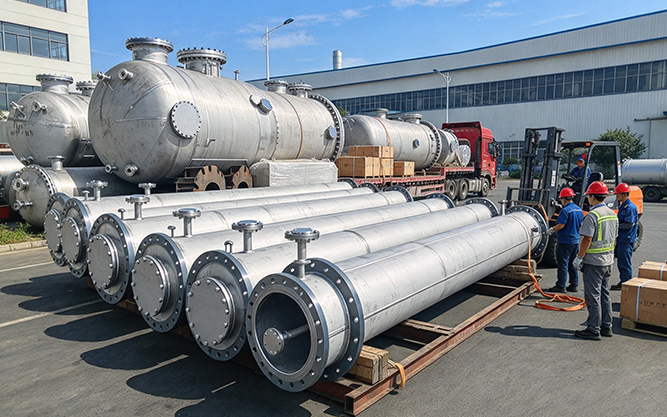
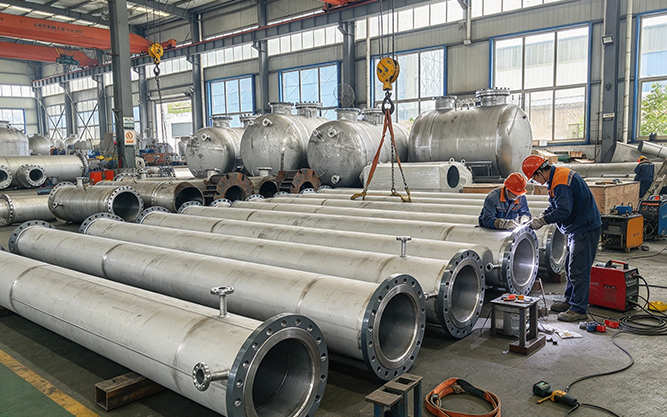
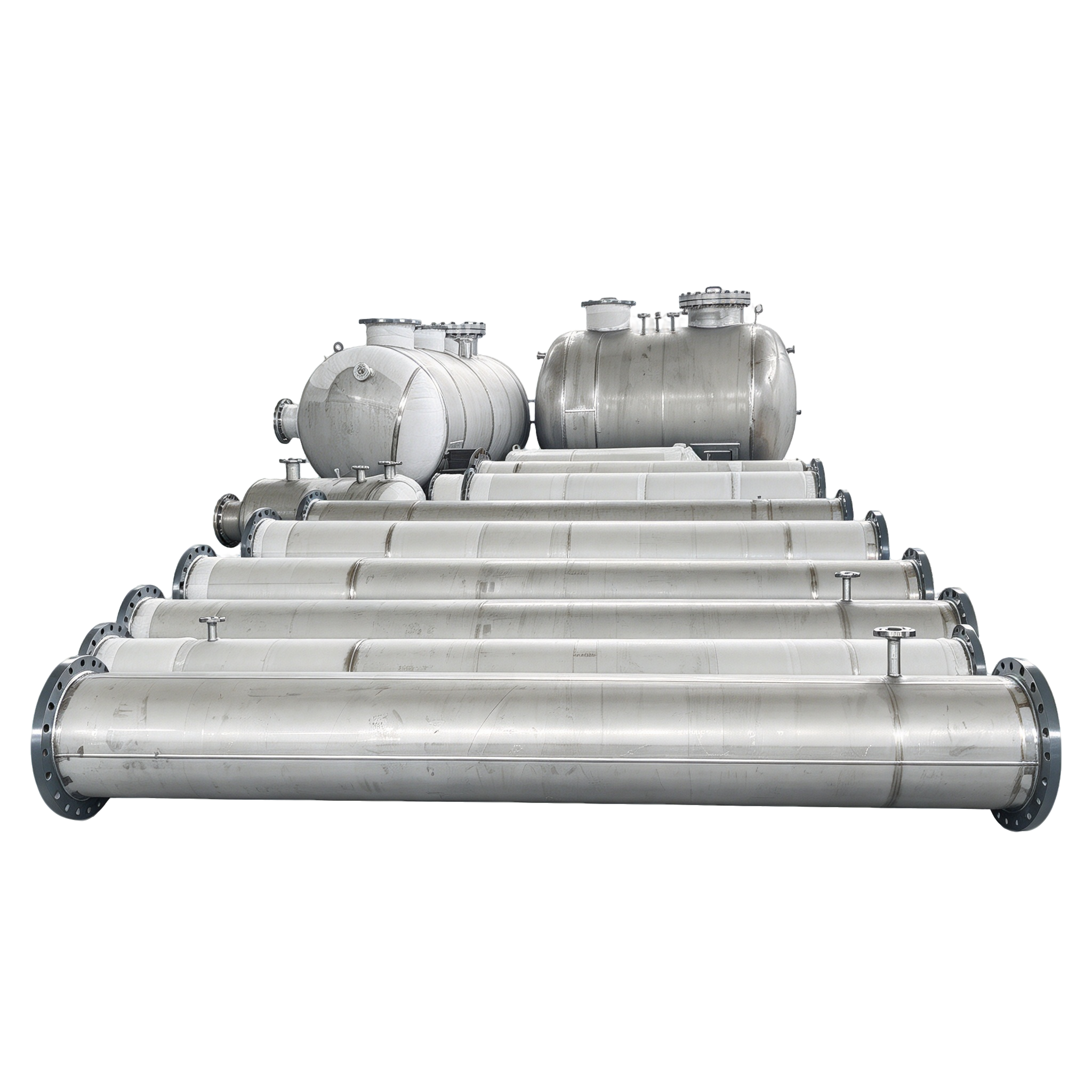
The selection of a distillation column is based on the specific materials involved, separation objectives, and operating conditions. Essential design data typically include feed composition and flow rate, product specifications for the distillate and bottoms, operating pressure and temperature, material corrosivity, and available on-site installation space. Columns are generally categorized by diameter, height, and processing capacity; smaller units are suitable for laboratory-scale testing, pilot-scale trials, or small-batch production, while larger units are designed for industrial-scale solvent recovery and separation processes. Key parameters—such as column diameter, height, internal configuration (trays or packing), materials of construction, and the selection of auxiliary equipment like reboilers, condensers, and reflux drums—can be customized for each project. The ranges provided in tables should be used only as a preliminary reference; precise capacity requirements must be verified through detailed process calculations.
Related articles
Related products
FAQs
Frequently asked questions related to this article.
View details
What information is required for the customization of a distillation column?
What materials are available for distillation columns?
Can a distillation column operate at atmospheric pressure, under vacuum, or under pressure?
What are the structural configurations of a distillation column?
What types of materials can a distillation column process?
What is the separation principle of a distillation column?


Contact us
If you have questions or need help, contact our team for dedicated support.
We look forward to hearing from you
Submit
Online
Send email