




View details
Dust removal equipment
Single-Station or Dual-Station? Dimensions and Station Layout for Grinding and Dust-Extraction Workbenches
Online


Send email


Dust removal equipment
1793086983000
How Do Grinding and Dust-Removal Workbenches Collect Dust? An Explanation of Their Operating Principle and Dust-Clearing Process
Views:0
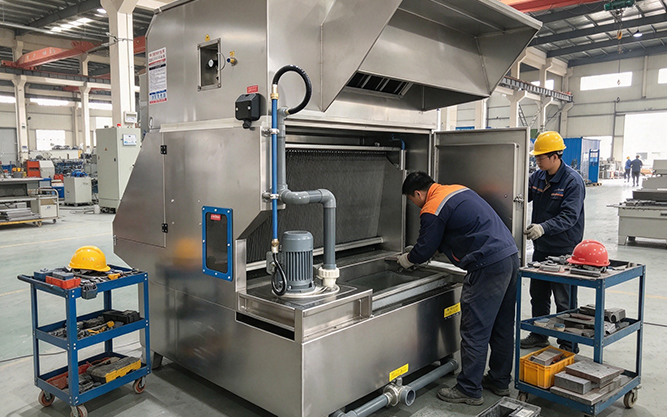
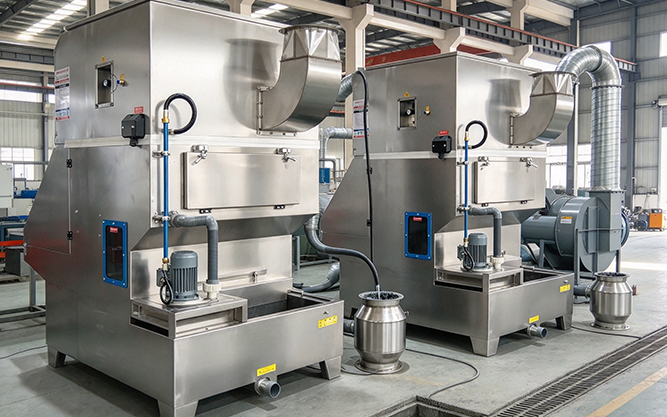
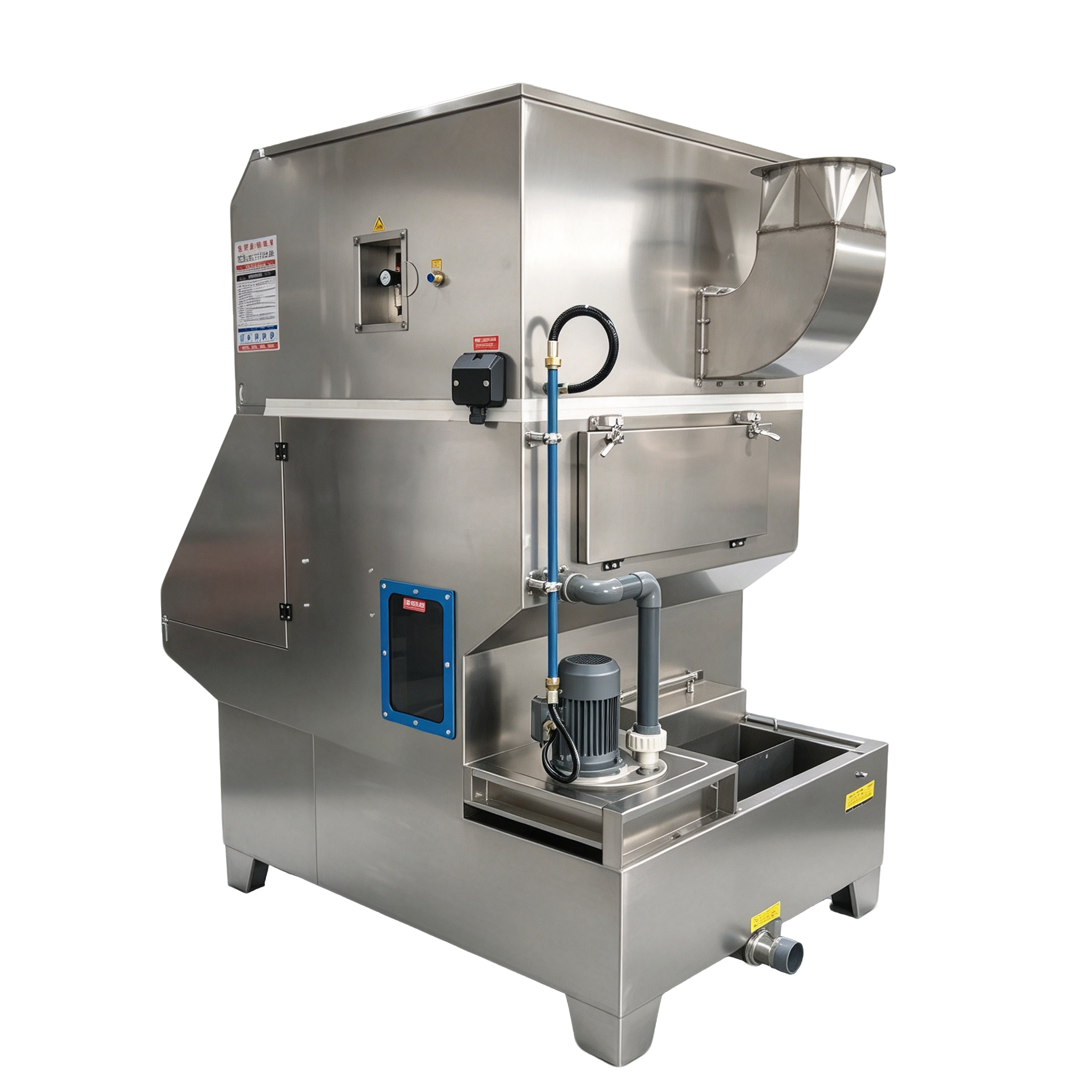
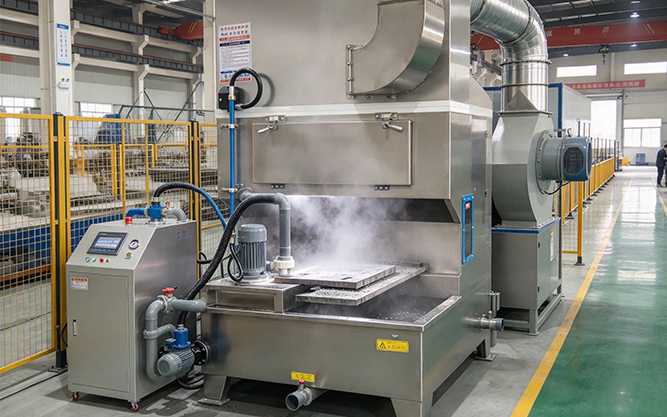
A grinding and dust-extraction workbench integrates a work surface with units for dust collection, filtration, and cleaning. During grinding, polishing, or deburring operations, dust is drawn from the work surface into the unit’s internal chamber by negative pressure. Larger particles settle into a dust-collection drawer at the bottom, while finer dust is carried by the airflow into the filtration compartment, where it is captured by filter cartridges. As dust accumulates on the filter media and the system's resistance increases, a pulse-cleaning control system—triggered either by a timer or a specific pressure-drop threshold—discharges a burst of air to dislodge the accumulated dust, causing it to fall into the collection drawer. The drawer can be removed for cleaning, and the filter cartridges can be accessed, removed, or replaced via an inspection door. The actual dust-capture efficiency depends on factors such as the design of the workbench, the operator's positioning, the airflow volume, and the specific configuration of the filter media.
Related products
FAQs
Frequently asked questions related to this article.
View details
What are the dust removal efficiency and filtration method of the equipment?
For what types of dust and operating conditions are grinding and dust-extraction workstations suitable?
What are the available dimensions and workstation configurations for the workbenches?
How do sanding and dust-removal workstations collect and purify dust?
For which processes are grinding and dust-extraction workstations suitable?


Contact us
If you have questions or need help, contact our team for dedicated support.
We look forward to hearing from you
Submit
Online
Send email