




View details
Industrial Exhaust Gas Treatment Equipment
How to Choose the Material for Resin Tanks? Key Considerations for Acidic, Alkaline, and Chlorine-Containing Environments
Online


Send email


Industrial Exhaust Gas Treatment Equipment
1793174837000
How Do Resin Vessels Facilitate Organic Solvent Recovery? An Explanation of the Adsorption and Desorption Process
Views:0
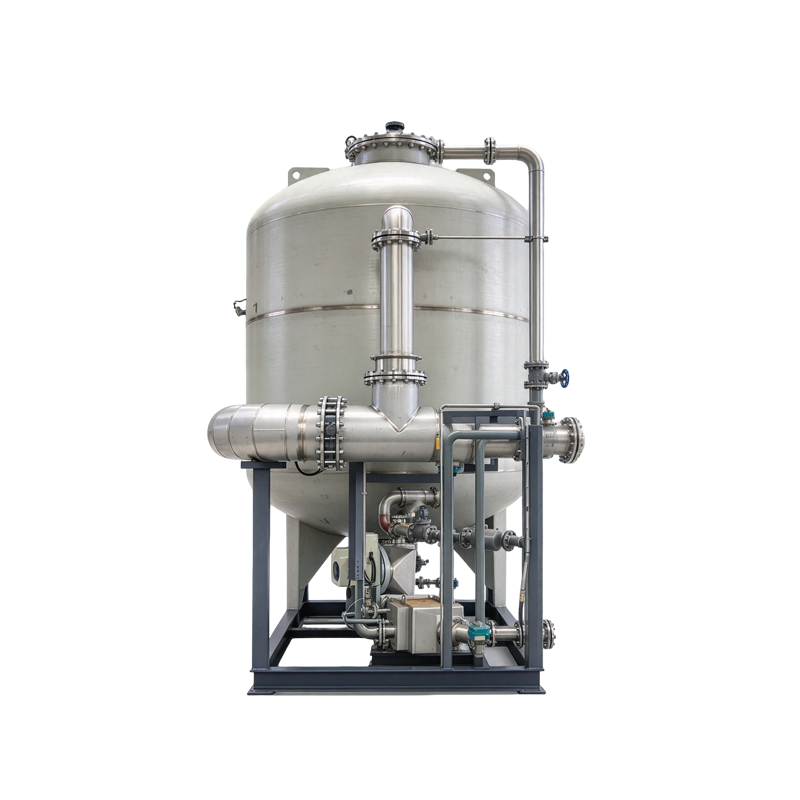
The resin vessel adsorbs and concentrates organic components from waste gas by passing the stream through an internal bed of macroporous resin. During the adsorption phase, the organic-laden waste gas enters the vessel, is distributed uniformly by an internal gas-distribution assembly, and flows through the resin bed; the treated gas is then discharged. Once the resin reaches the point requiring regeneration, the system switches to the desorption phase. Steam or heated nitrogen is introduced to desorb the captured organic solvents, which are subsequently recovered—typically through a condensation process. Following desorption, the vessel is cooled (using water) and returned to the adsorption cycle. A multi-vessel configuration allows for continuous operation across various industrial processes; the actual recovery efficiency and operational cycle depend on factors such as the composition of the waste gas, the specific properties of the resin, and the overall system configuration.
Related articles
Industrial Exhaust Gas Treatment Equipment
How to Choose the Material for Resin Tanks? Key Considerations for Acidic, Alkaline, and Chlorine-Containing Environments
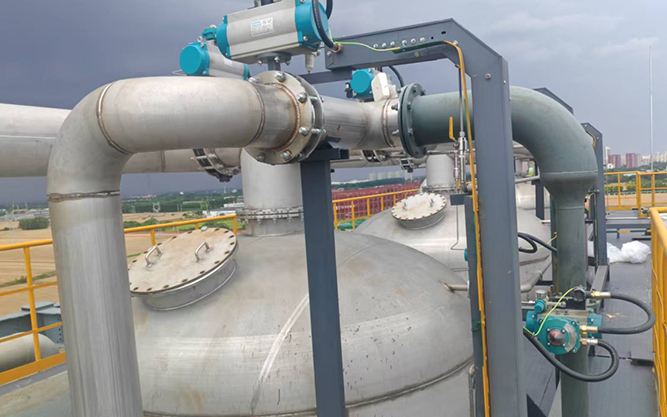
Industrial Exhaust Gas Treatment Equipment
What parameters are required for selecting a resin tank? Information on model, pressure, and internal components
Related products
FAQs
Frequently asked questions related to this article.
View details
How should the material for a resin tank be selected?
What are the materials and specifications for resin tanks?
Can the resin tank operate continuously?
How do resin tanks adsorb and recover organic solvents?
What are resin tanks primarily used for?


Contact us
If you have questions or need help, contact our team for dedicated support.
We look forward to hearing from you
Submit
Online
Send email