




View details
Industrial Exhaust Gas Treatment Equipment
How Do Resin Vessels Facilitate Organic Solvent Recovery? An Explanation of the Adsorption and Desorption Process
Online


Send email


Industrial Exhaust Gas Treatment Equipment
1793174872000
How to Choose the Material for Resin Tanks? Key Considerations for Acidic, Alkaline, and Chlorine-Containing Environments
Views:0
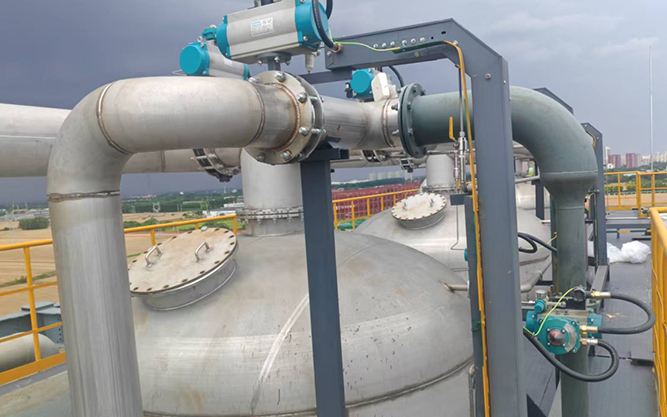
Resin vessels can be constructed from carbon steel, 304 or 316L stainless steel, or 2205 duplex stainless steel. The choice of material must be based on a comprehensive assessment of the exhaust gas composition, temperature, pressure, and corrosive conditions. Carbon steel may be considered for standard operating conditions; however, if the exhaust gas contains acidic, alkaline, or other corrosive components, the compatibility of the vessel and its internal screen assemblies with the process medium must be verified. In the case of exhaust gas containing chloride ions, a material’s general "corrosion resistance" is not a sufficient criterion for selection; the specific concentration of chloride ions and other constituents must be evaluated, and the final material choice must be confirmed by the equipment designer. Furthermore, both the material selection and the pressure rating must be verified to ensure they align with the specific requirements of the project.
Related articles
Industrial Exhaust Gas Treatment Equipment
How Do Resin Vessels Facilitate Organic Solvent Recovery? An Explanation of the Adsorption and Desorption Process
Industrial Exhaust Gas Treatment Equipment
What parameters are required for selecting a resin tank? Information on model, pressure, and internal components
Related products
FAQs
Frequently asked questions related to this article.
View details
How should the material for a resin tank be selected?
What are the materials and specifications for resin tanks?
Can the resin tank operate continuously?
How do resin tanks adsorb and recover organic solvents?
What are resin tanks primarily used for?


Contact us
If you have questions or need help, contact our team for dedicated support.
We look forward to hearing from you
Submit
Online
Send email