Select a country or region

Global

English

How to Choose Anti-Corrosion Treatment for Filter Cages? A Comparison of Cold Galvanizing, Hot-Dip Galvanizing, Spray Coating, and Stainless Steel

Dust removal equipment

1793175122000

How to Choose Anti-Corrosion Treatment for Filter Cages? A Comparison of Cold Galvanizing, Hot-Dip Galvanizing, Spray Coating, and Stainless Steel

Views:0

The anti-corrosion method for filter cages should be selected based on factors such as flue gas temperature, humidity, corrosivity, and the equipment's operating environment. Cold galvanizing is a lower-cost option, suitable for standard, dry, ambient-temperature dust-collection applications. Hot-dip galvanizing provides a thicker zinc coating with superior moisture resistance, making it appropriate for use in general boiler systems, the cement and metallurgical industries, or for outdoor equipment. Epoxy coating is suitable for ambient-temperature environments with mild corrosivity, though it is generally limited to temperatures of 120°C or below. Silicone-based coatings can be used in certain medium-to-high-temperature applications, ranging from 150°C to 220°C. 304 stainless steel is an option for environments characterized by high humidity or corrosivity; however, in the presence of chloride ions, the risk of pitting corrosion must be carefully evaluated. When selecting a material or coating, the decision should be based on the specific medium and operating temperature—one should not rely solely on the name of the coating to determine its corrosion resistance.

Related products

FAQs

Frequently asked questions related to this article.

View details

How can one prevent filter bags from being scratched or worn by the cage?

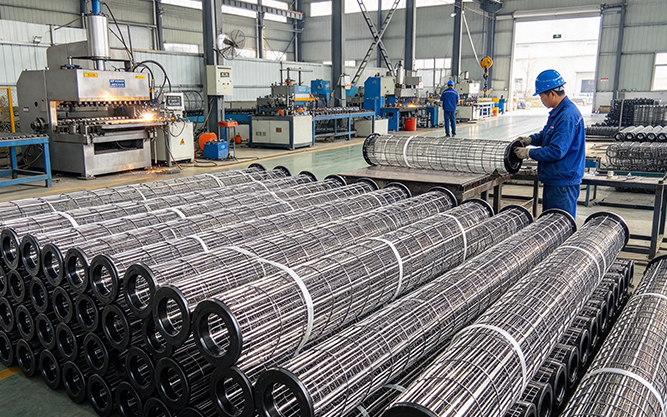
It should be verified that the longitudinal bars and circumferential rings are securely welded, with weld points and surfaces finished to be smooth. Additionally, ensure that the diameter and length of the filter cage are compatible with the filter bag. The presence of burrs, deformation, or rust on the surface of the filter cage may increase the risk of wear on the filter bag during both installation and operation.

How should one choose between a single-section filter cage and a multi-section plug-in (modular) filter cage?

A single-piece structure is suitable for equipment where length and transport conditions permit; a multi-section, plug-in (interlocking) design facilitates segmented transport and on-site assembly, making it appropriate for applications such as those involving longer filter bags. When making a selection, it is also necessary to ensure compatibility regarding the cage connection method, available installation space, and the structure of the filter bags.

What dimensions and structural configurations can be customized for filter cages?

The diameter ranges from φ100 to φ200 mm, with customizable lengths between 500 and 8000 mm. Specifications such as the number of longitudinal wires, wire diameter, spacing of transverse rings, top design, and connection method can also be selected according to requirements. When customizing, please verify the dimensions of the filter bags, the aperture size of the dust collector’s tube sheet, and the installation structure.

What is the difference between cold-galvanized and hot-galvanized filter cages?

Cold galvanizing produces a thinner zinc coating at a lower cost and is suitable for general operating conditions, such as dry environments at ambient temperatures. Hot-dip galvanizing, by contrast, provides a thicker zinc coating with superior moisture resistance, making it appropriate for applications involving standard boilers, cement production, metallurgy, and outdoor equipment. Neither method is suitable for environments exposed to strong acids, strong alkalis, or highly corrosive flue gases.

What are the common anti-corrosion treatments for filter cages?

Common types include cold galvanizing, hot-dip galvanizing, epoxy coating, silicone coating, and 304 stainless steel. Since each treatment method is suited to different temperature, humidity, and corrosive conditions, the choice should be based on the actual flue gas operating conditions.

What is the function of a filter cage in a fabric dust collector?

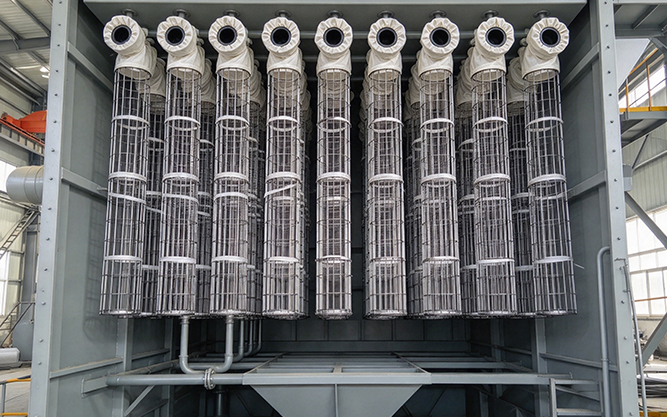
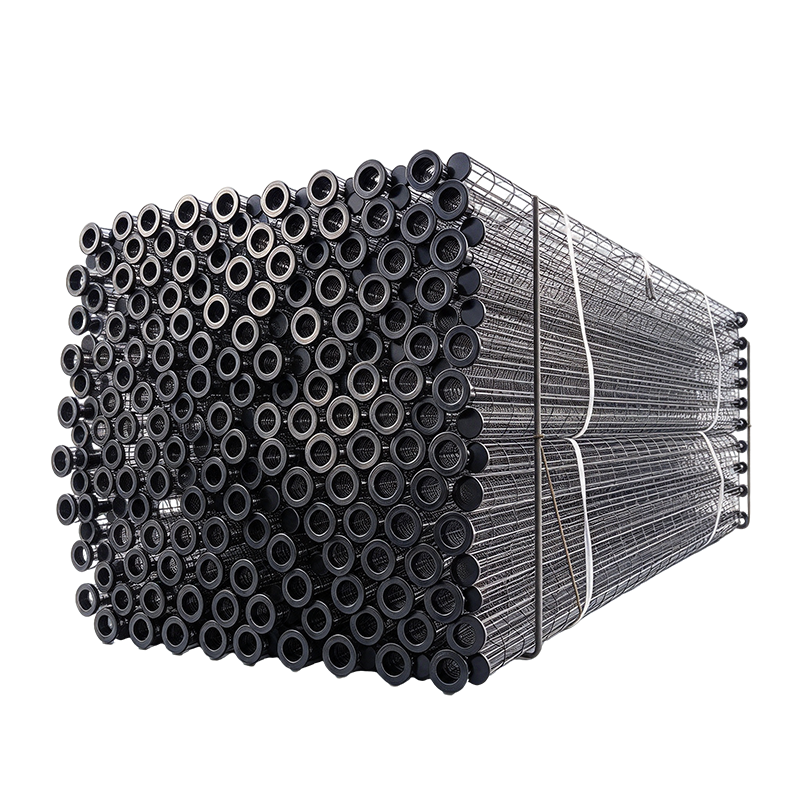
A filter cage—also known as a dust collector cage—consists of welded longitudinal wires and circumferential rings. It serves to support the filter bag, maintain its shape, and facilitate dust removal via pulse-jet cleaning. The quality of the welds and the surface treatment can also affect the installation of the filter bag and the risk of wear during operation.

Contact us

If you have questions or need help, contact our team for dedicated support.

We look forward to hearing from you

Submit