




View details
Dust removal equipment
How to Choose Anti-Corrosion Treatment for Filter Cages? A Comparison of Cold Galvanizing, Hot-Dip Galvanizing, Spray Coating, and Stainless Steel
Online


Send email


Dust removal equipment
1793175148000
How to Determine Filter Bag Cage Dimensions? An Explanation of Diameter, Length, and Connection Structure
Views:0
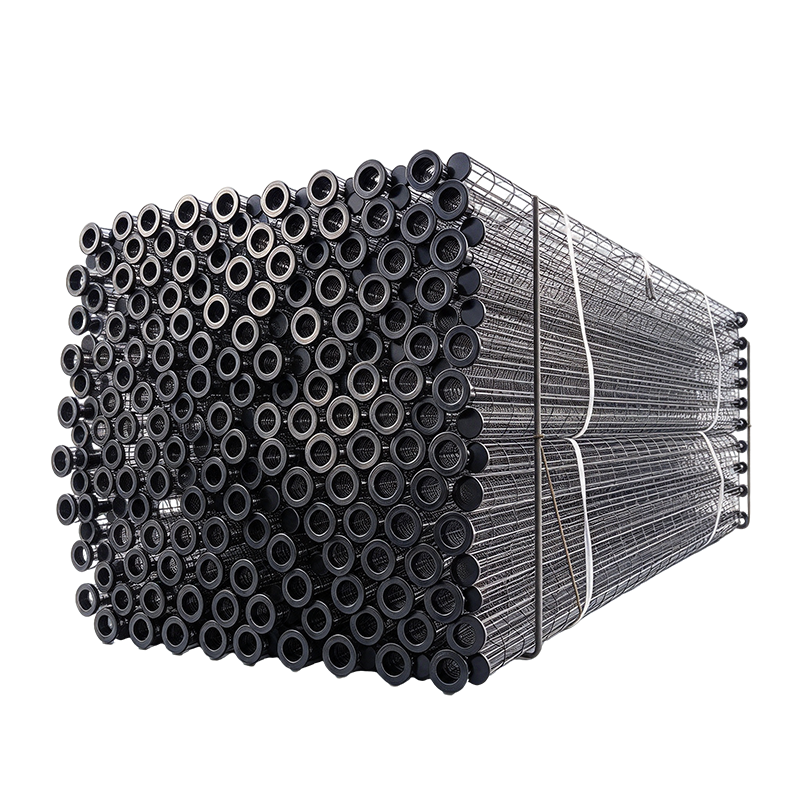
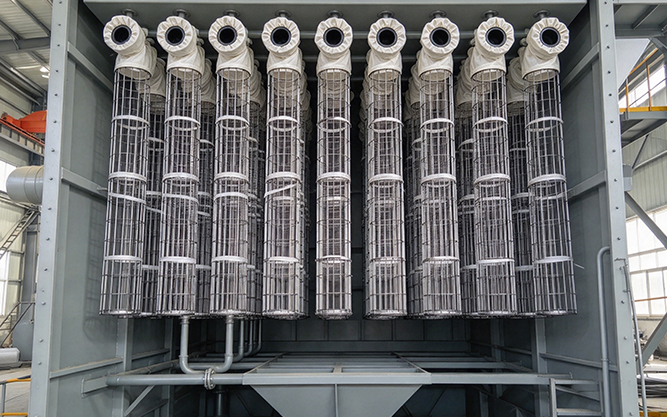
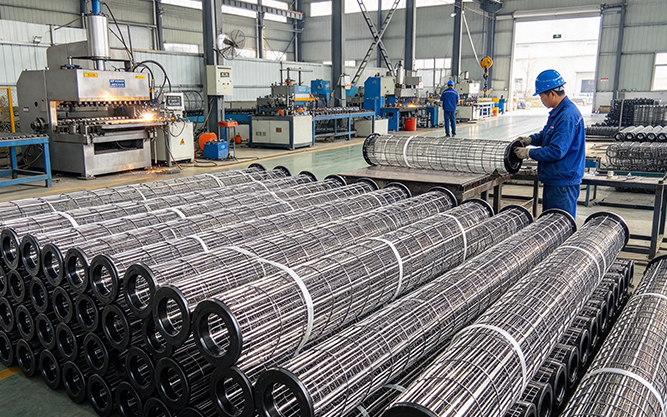
Filter cages must be compatible with both the dust filter bags and the equipment's internal structure. When verifying dimensions, it is essential to check the cage diameter, length, number of longitudinal wires, wire gauge, spacing of horizontal rings, and the design of the top assembly; furthermore, ensure compatibility with the filter bag opening, the aperture of the tube sheet (cell plate), and the equipment's specific connection mechanism. Standard cage diameters include φ100, φ120, φ125, φ130, φ133, φ150, φ160, φ180, and φ200 mm, with lengths that can be customized for specific projects. Options for the top assembly include spring-loaded, flanged, clamp-style, or Venturi-type designs, while connection methods encompass plug-in, butt-joint, threaded, and snap-fit configurations. Providing samples of existing cages, filter bag specifications, or equipment drawings will help minimize the risk of dimensional or interface mismatches.
Related articles
Dust removal equipment
How to Choose Anti-Corrosion Treatment for Filter Cages? A Comparison of Cold Galvanizing, Hot-Dip Galvanizing, Spray Coating, and Stainless Steel
Dust removal equipment
Single-Section or Multi-Section Filter Cages? Considerations for the Transport and Installation of Long Filter Bags
Related products
FAQs
Frequently asked questions related to this article.
View details
How can one prevent filter bags from being scratched or worn by the cage?
How should one choose between a single-section filter cage and a multi-section plug-in (modular) filter cage?
What dimensions and structural configurations can be customized for filter cages?
What is the difference between cold-galvanized and hot-galvanized filter cages?
What are the common anti-corrosion treatments for filter cages?
What is the function of a filter cage in a fabric dust collector?


Contact us
If you have questions or need help, contact our team for dedicated support.
We look forward to hearing from you
Submit
Online
Send email