




View details
Industrial Exhaust Gas Treatment Equipment
What parameters are required for selecting a spray tower? How is the treatment air volume determined?
Online


Send email


Industrial Exhaust Gas Treatment Equipment
1793083274000
How to Choose Between PP, FRP, and Stainless Steel Spray Towers? A Comparison of Materials and Operating Conditions
Views:0
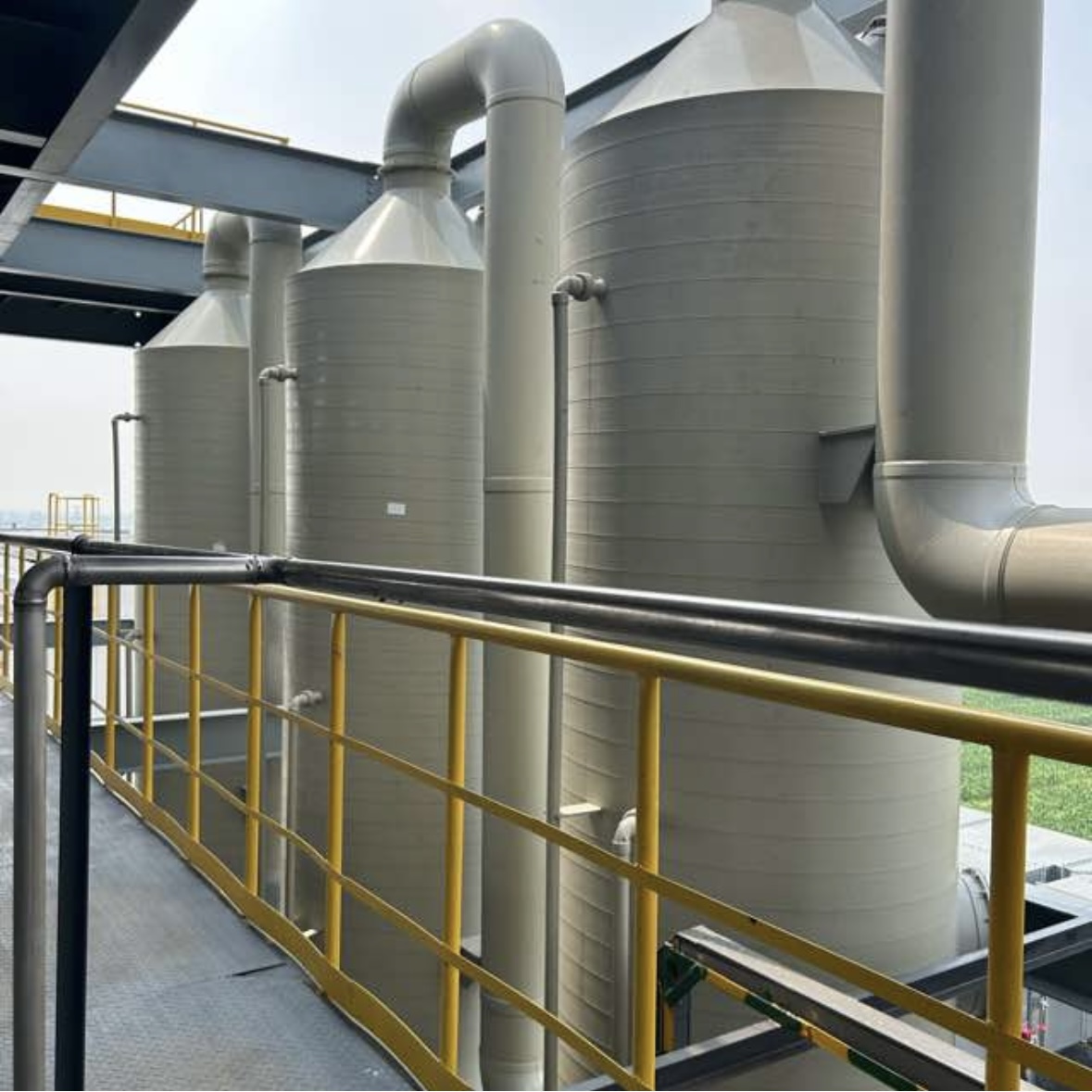
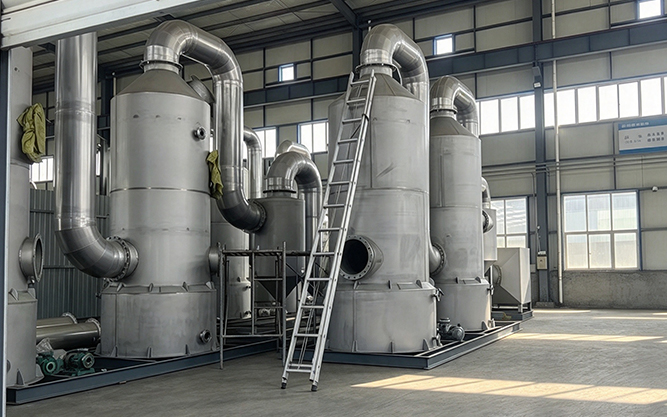
Spray towers can be constructed from materials such as polypropylene (PP), fiber-reinforced plastic (FRP), or 304/316L stainless steel. When selecting a material, one must consider not only the exhaust gas temperature but also the composition of the pollutants, their corrosivity, the operating environment, and maintenance requirements. Typical temperature limits for these materials are: PP ≤ 80°C, FRP ≤ 120°C, and stainless steel ≤ 300°C; however, the actual upper limit for a specific application should be determined based on the specific media, equipment design, and operating conditions. Before finalizing the material, it is advisable to compile detailed information regarding the exhaust gas composition, temperature, and on-site operating conditions, and then consult with the equipment supplier to verify the appropriate tower material and configuration—avoid selecting materials based on a single parameter alone.
Related articles
Industrial Exhaust Gas Treatment Equipment
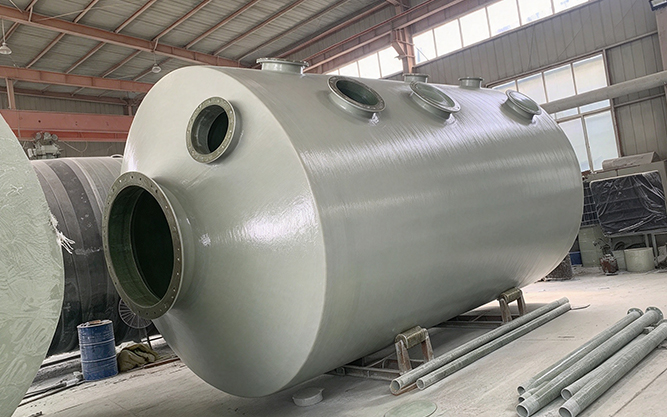
What parameters are required for selecting a spray tower? How is the treatment air volume determined?
Industrial Exhaust Gas Treatment Equipment
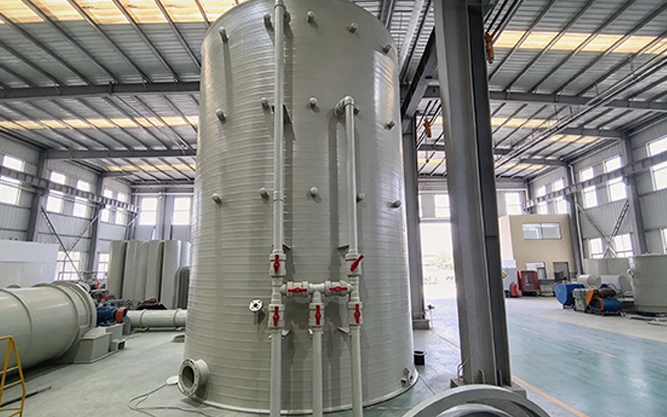
How can a spray tower be combined with an activated carbon adsorption unit, a UV photolysis/oxidation system, or an RTO (Regenerative Thermal Oxidizer)?
Related products
FAQs
Frequently asked questions related to this article.
View details
How should a spray tower be maintained?
What is the purification efficiency of a spray tower?
What is the treatment air volume range for a spray tower?
What materials are available for spray towers, and what is their temperature range?
Can a spray tower handle VOCs?
What types of acidic or alkaline gases can a spray tower handle?
What is the working principle of a spray tower?
What kind of waste gas are spray towers primarily used to treat?


Contact us
If you have questions or need help, contact our team for dedicated support.
We look forward to hearing from you
Submit
Online
Send email