




View details
Industrial Exhaust Gas Treatment Equipment
How to Choose Between PP, FRP, and Stainless Steel Spray Towers? A Comparison of Materials and Operating Conditions
Online


Send email


Industrial Exhaust Gas Treatment Equipment
1793083345000
How can a spray tower be combined with an activated carbon adsorption unit, a UV photolysis/oxidation system, or an RTO (Regenerative Thermal Oxidizer)?
Views:0
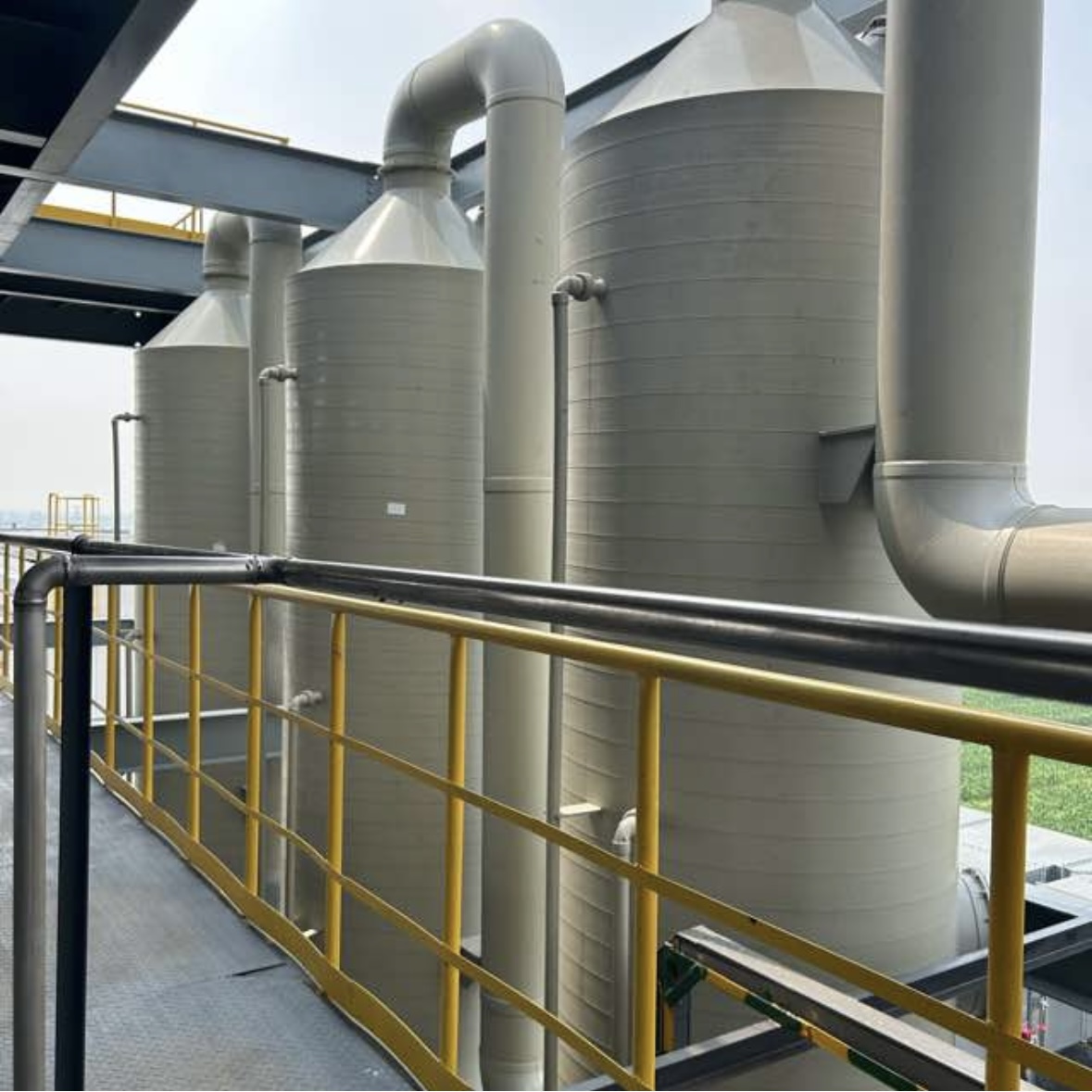
A spray tower can serve as a primary unit within an exhaust gas treatment system and may be integrated with other equipment—such as activated carbon adsorption units, UV-photocatalytic oxidation systems, or regenerative thermal oxidizers (RTO)—depending on specific project requirements. Since each type of equipment operates under different conditions and employs distinct treatment mechanisms, the configuration must be determined by analyzing factors such as the composition, concentration, temperature, and flow rate of the exhaust gas, as well as downstream treatment requirements; the effectiveness of a system cannot be judged solely by the names of the individual components. In scenarios involving acidic or alkaline gases, water-soluble pollutants, or particulate matter, a spray-based treatment stage should be evaluated first, followed by the selection of subsequent equipment tailored to the target pollutants and emission standards. The overall process design and the performance specifications for each piece of equipment should be based on an assessment of actual operating conditions and the specific project design.
Related articles
Industrial Exhaust Gas Treatment Equipment
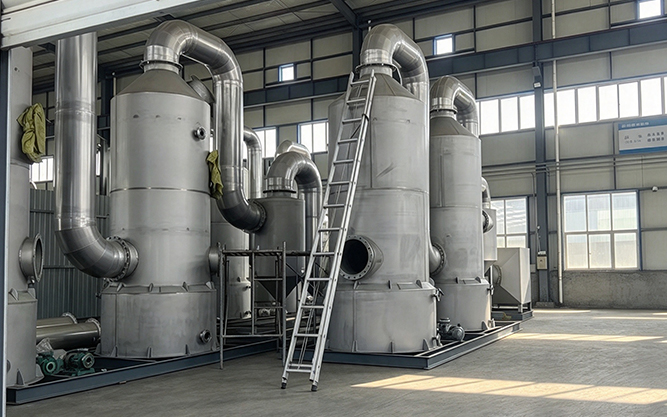
How to Choose Between PP, FRP, and Stainless Steel Spray Towers? A Comparison of Materials and Operating Conditions
Industrial Exhaust Gas Treatment Equipment
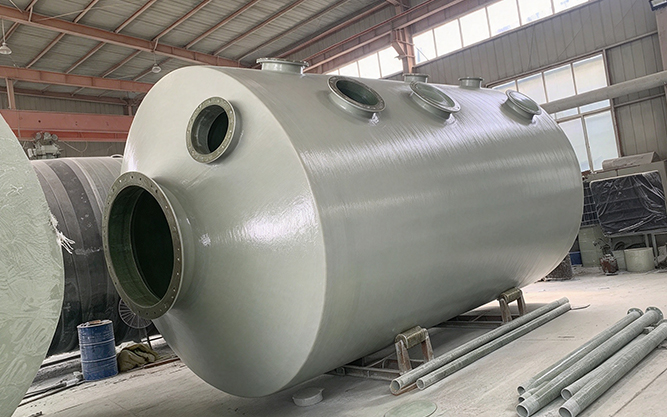
What parameters are required for selecting a spray tower? How is the treatment air volume determined?
Related products
FAQs
Frequently asked questions related to this article.
View details
How should a spray tower be maintained?
What is the purification efficiency of a spray tower?
What is the treatment air volume range for a spray tower?
What materials are available for spray towers, and what is their temperature range?
Can a spray tower handle VOCs?
What types of acidic or alkaline gases can a spray tower handle?
What is the working principle of a spray tower?
What kind of waste gas are spray towers primarily used to treat?


Contact us
If you have questions or need help, contact our team for dedicated support.
We look forward to hearing from you
Submit
Online
Send email