




View details
Dust removal equipment
Is a Larger Filter Area Always Better for Filter Cartridges? Key Considerations Regarding Dimensions, Pleats, and Equipment Compatibility
Online


Send email


Dust removal equipment
1793087125000
How to Choose a Dust Collection Filter Cartridge? Matching Dust Properties with Filter Media Types
Views:0
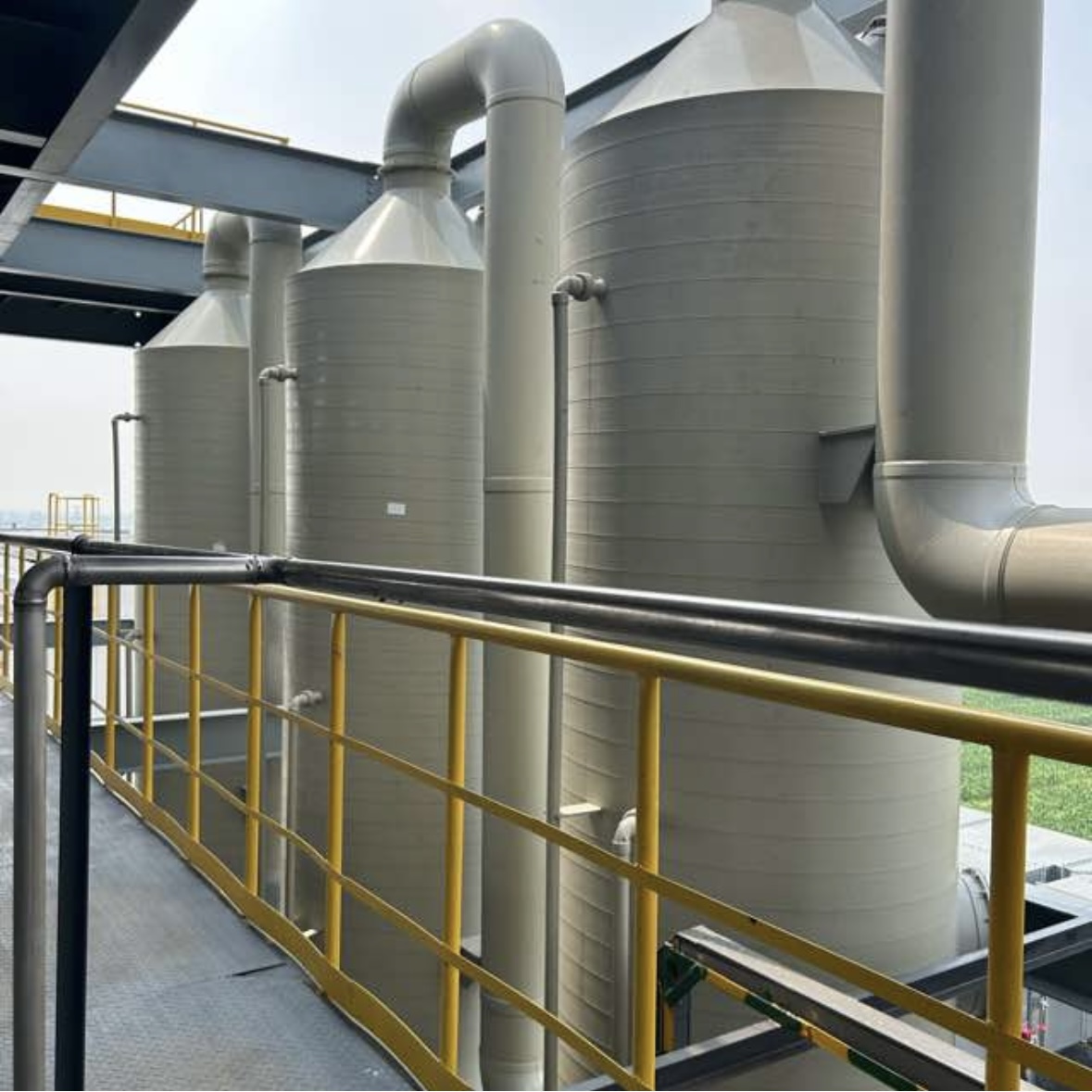
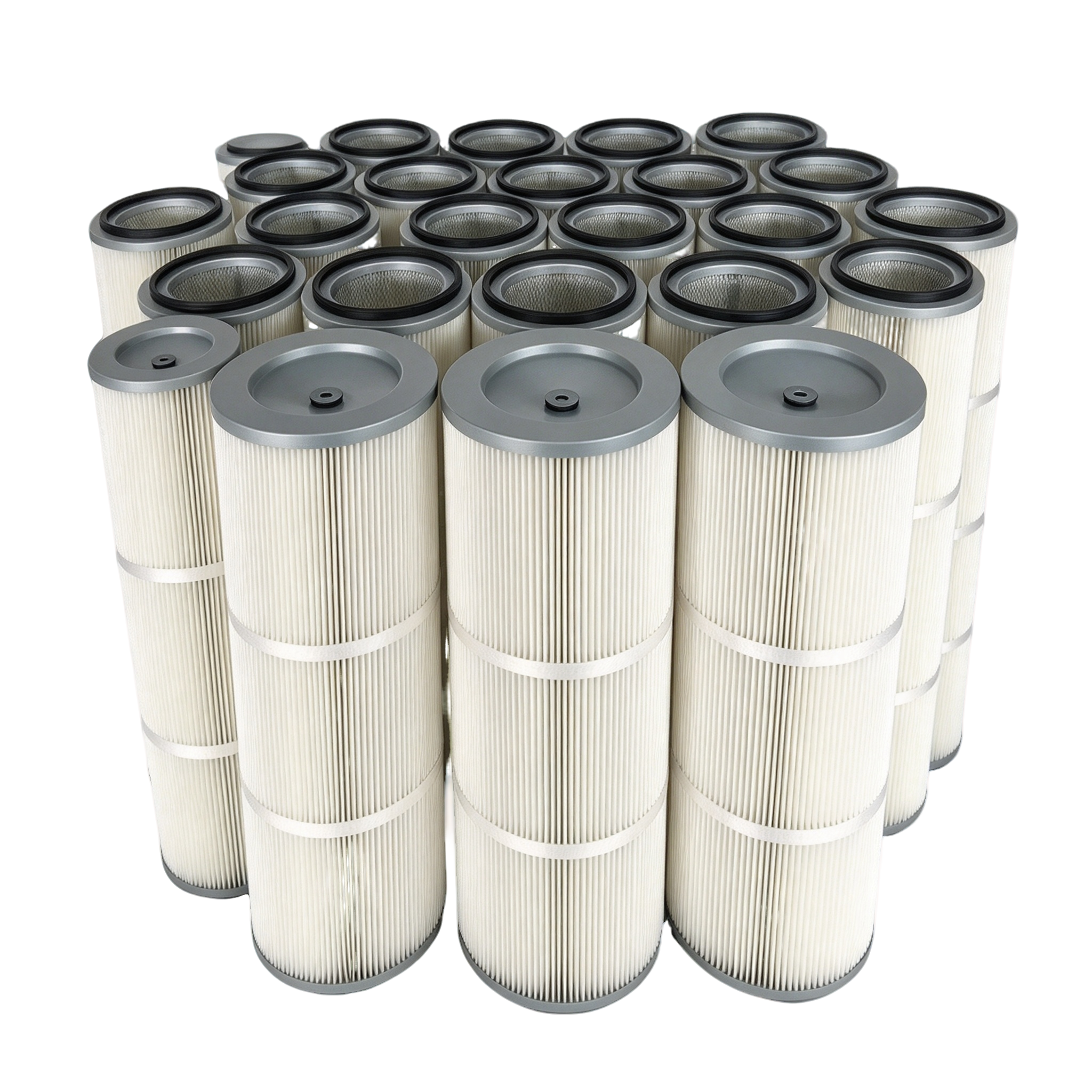
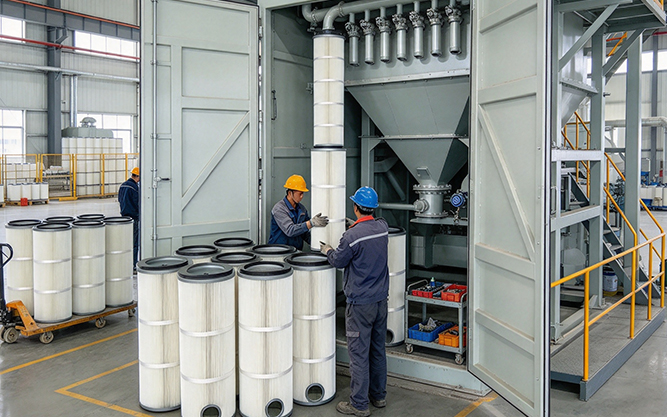
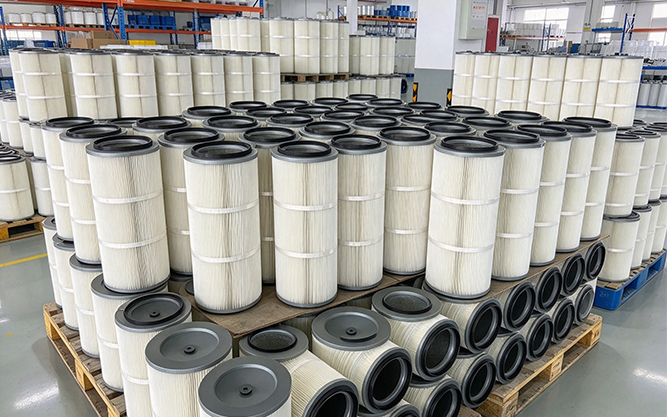
When selecting filter cartridges, it is essential to first determine the type of dust, its humidity and temperature, and whether it is flammable, as well as the dust collection system’s cleaning mechanism and mounting configuration. Wood-pulp fiber cartridges are primarily used for dry dust at ambient temperatures, while polyester cartridges are suitable for a wide range of common industrial applications. Membrane-coated polyester cartridges are ideal for fine dust or scenarios requiring stricter emission standards, whereas anti-static and flame-retardant treatments address specific safety requirements. For PTFE-based cartridges, the construction and filter media composition can vary; therefore, one must verify whether a specific product features a membrane coating or utilizes PTFE as the primary filter medium, while also checking the supplier’s specifications regarding temperature resistance, corrosion resistance, and pulse-cleaning parameters. Selecting filter media based on a comprehensive assessment of operating conditions is more reliable than relying solely on "filtration precision" ratings or the name of the material itself.
Related articles
Dust removal equipment
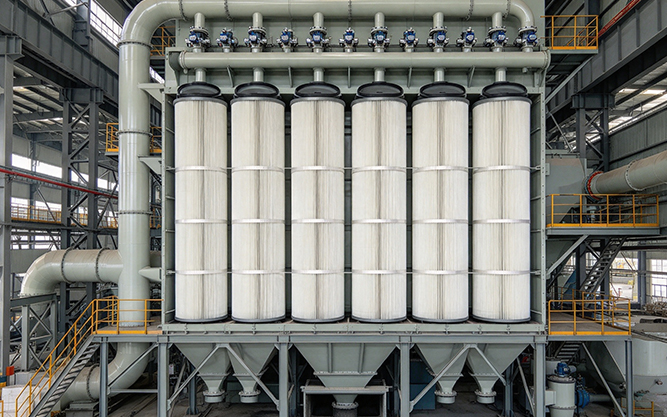
Is a Larger Filter Area Always Better for Filter Cartridges? Key Considerations Regarding Dimensions, Pleats, and Equipment Compatibility
Dust removal equipment
What Are the Differences Between Membrane-Coated, Anti-Static, and Flame-Retardant Filter Cartridges? A Guide to Selection for Specialized Operating Conditions
Related products
FAQs
Frequently asked questions related to this article.
View details
Can anti-static or flame-retardant filter cartridges, on their own, ensure safety regarding dust?
How can I determine the dimensions of a filter cartridge and whether it is compatible with my existing equipment?
What is the difference between standard polyester filter cartridges and membrane-coated filter cartridges?
What are the common materials and types of filter cartridges?
What role do dust filter cartridges play in the equipment?


Contact us
If you have questions or need help, contact our team for dedicated support.
We look forward to hearing from you
Submit
Online
Send email