Select a country or region

Global

English

What Are the Differences Between Membrane-Coated, Anti-Static, and Flame-Retardant Filter Cartridges? A Guide to Selection for Specialized Operating Conditions

Dust removal equipment

1793087200000

What Are the Differences Between Membrane-Coated, Anti-Static, and Flame-Retardant Filter Cartridges? A Guide to Selection for Specialized Operating Conditions

Views:0

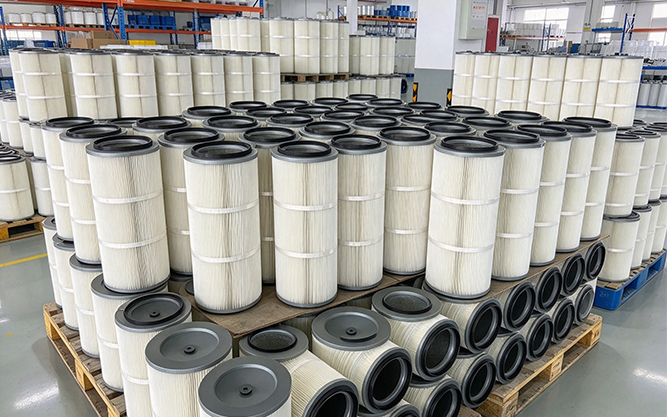
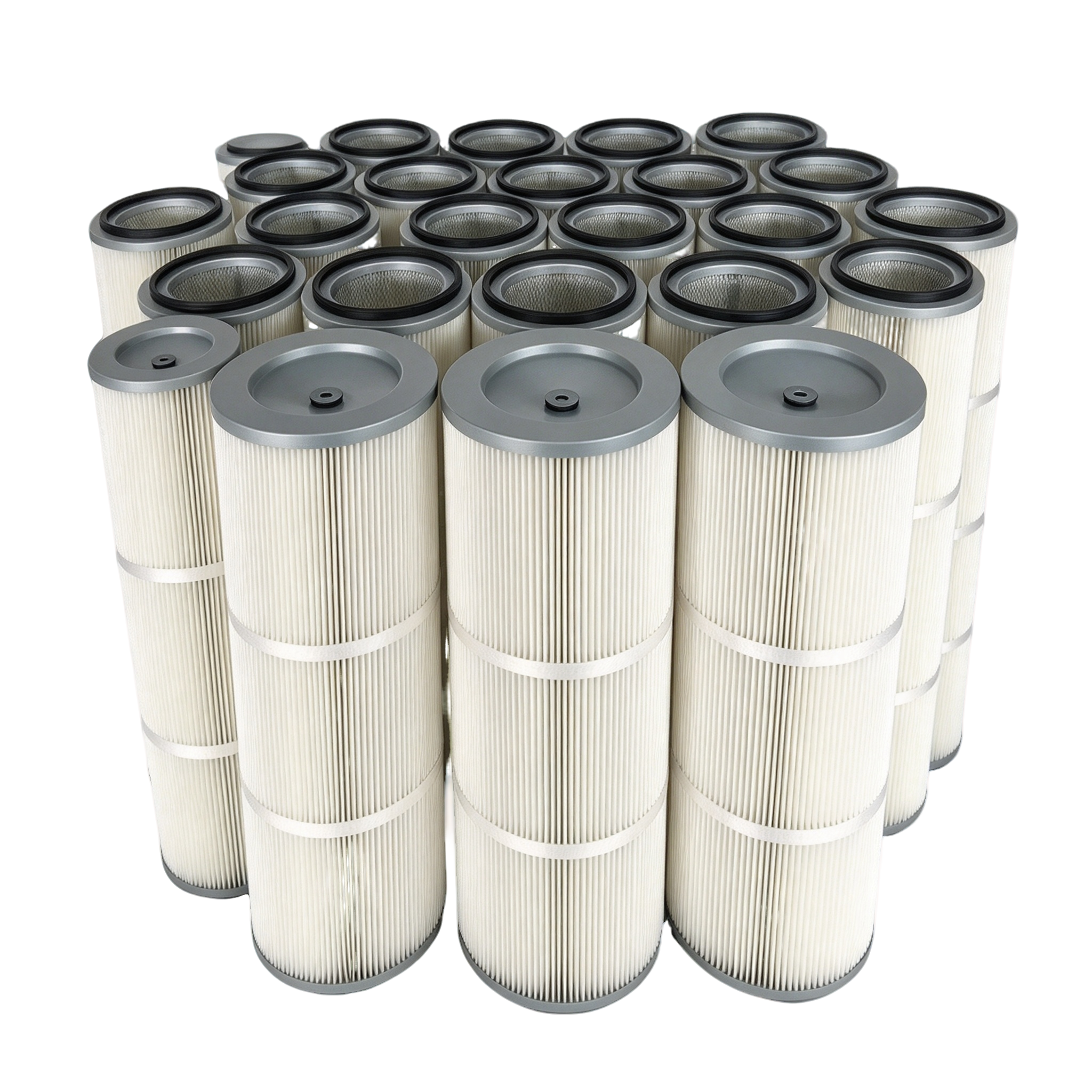
Membrane-coated, anti-static, and flame-retardant filter cartridges are designed to address different operational requirements. Membrane-coated polyester cartridges feature a microporous PTFE membrane applied to the filter media surface, making them suitable for applications involving fine dust or those with stringent emission standards. Anti-static cartridges utilize conductive fibers or specialized surface treatments to mitigate the risk of static electricity accumulation. Flame-retardant cartridges are intended for environments where sparks may be present, as they help delay combustion and the spread of flames. These types are not interchangeable, nor can any single one, on its own, ensure that a system meets explosion-proof or comprehensive fire-safety requirements. Before selection, it is essential to evaluate factors such as dust composition, humidity, equipment operating modes, and site-specific risks, while also verifying the safety measures required for the entire dust collection system.

Related products

FAQs

Frequently asked questions related to this article.

View details

Can anti-static or flame-retardant filter cartridges, on their own, ensure safety regarding dust?

No. While anti-static filter cartridges can reduce the risk of static electricity accumulation and flame-retardant cartridges can delay combustion, this does not mean the entire system is explosion-proof or fully fireproof. When handling flammable or explosive dust, or in operating environments where sparks may be present, the filter cartridges, dust collection equipment, and associated safety configurations must be evaluated by the project designers.

How can I determine the dimensions of a filter cartridge and whether it is compatible with my existing equipment?

It is necessary to verify the filter cartridge’s outer diameter, inner diameter, height, end cap configuration, sealing method, and mounting structure, while also confirming the dimensions of the equipment’s tube sheet and available space. While a range of standard specifications is listed, customization based on equipment model, samples of existing filter cartridges, or technical drawings is also available. Please note that similar dimensions alone do not guarantee compatibility for installation.

What is the difference between standard polyester filter cartridges and membrane-coated filter cartridges?

Standard polyester filter cartridges are suitable for a wide range of typical industrial dusts. Membrane-coated polyester filter cartridges feature a microporous PTFE membrane bonded to the substrate surface; these are reportedly better suited for fine dust and applications with stricter emission requirements. The actual filtration performance, however, also depends on the specific characteristics of the dust, the equipment design, and operational parameters.

What are the common materials and types of filter cartridges?

Common types include wood pulp fiber, polyester fiber, membrane-coated polyester, anti-static, flame-retardant, and PTFE filter cartridges. Each filter medium offers specific advantages regarding moisture resistance, temperature tolerance, dust-cleaning performance, and anti-static properties; the choice should be based on the characteristics of the dust and the operating conditions of the equipment.

What role do dust filter cartridges play in the equipment?

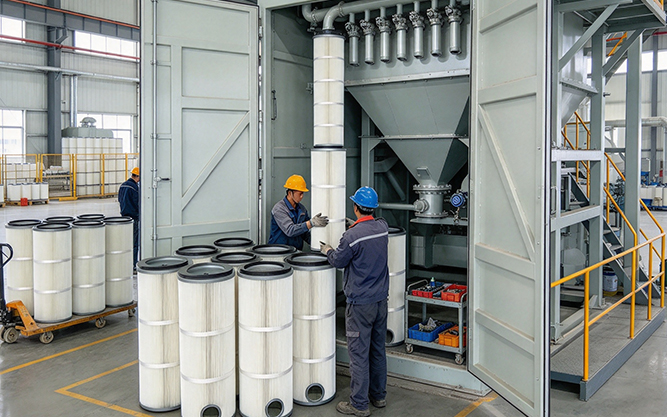
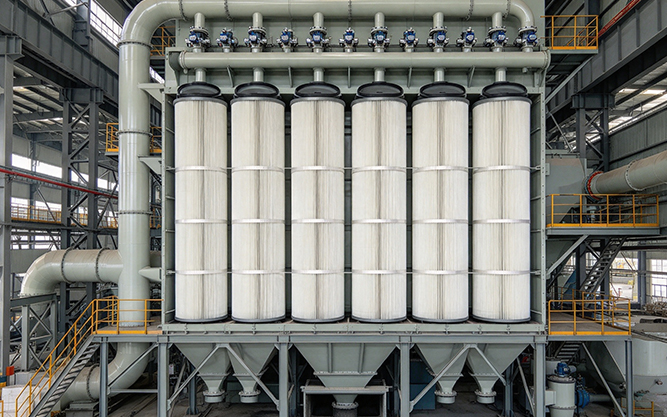
Filter cartridges serve as the core filtration components in pulse-jet cartridge dust collectors, grinding dust extraction workstations, and welding fume purification equipment. Their pleated filter media create a folded structure that increases the filtration surface area within a confined space, enabling the capture of particulate matter from dust-laden air streams.

Contact us

If you have questions or need help, contact our team for dedicated support.

We look forward to hearing from you

Submit