




View details
Industrial Exhaust Gas Treatment Equipment
What is an exhaust-sealing collection cover? How can waste gases be captured from open-source emission points?
Online


Send email



Industrial Exhaust Gas Treatment Equipment
1793084201000
How to Choose Gas-Collection Covers: FRP, PP, Stainless Steel, or Carbon Steel? Considerations Regarding Material and Operating Conditions
Views:0
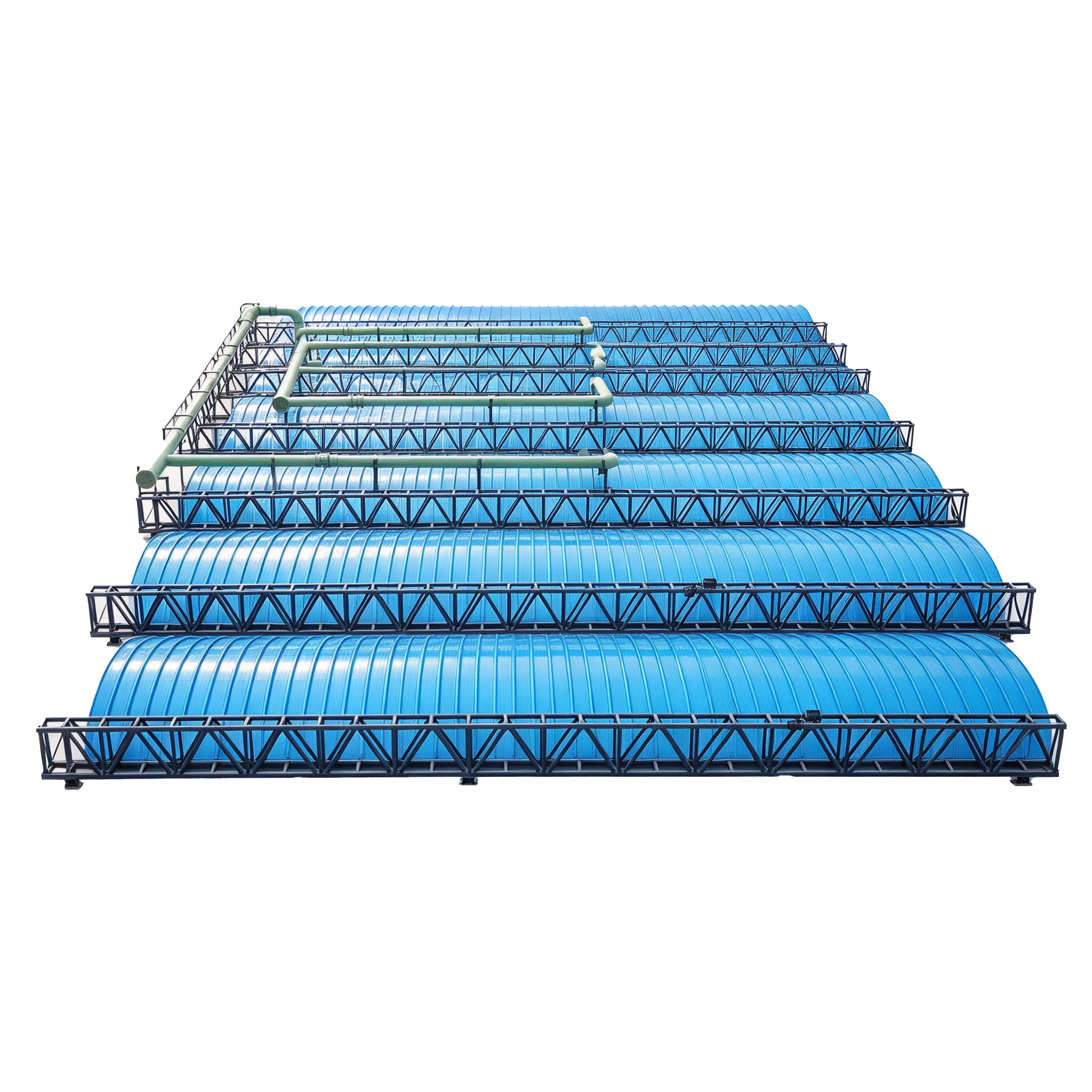
Gas-collection covers can be fabricated from materials such as FRP (fiber-reinforced plastic), PP (polypropylene), stainless steel (SS304/SS316L), or carbon steel with an anti-corrosive coating. Material selection should not be based solely on the material type or cost; rather, it requires a comprehensive assessment that considers factors such as exhaust gas temperature, humidity, acidity/alkalinity, corrosivity, the span of the cover, and load-bearing requirements. While the product documentation specifies an applicable temperature range of -20°C to 180°C, this represents the aggregate range across various material options; the specific operating temperature for any single material must be verified during the design phase. Clearly defining the on-site media, environmental conditions, and structural requirements—and subsequently determining the primary material, sealing method, and connection structure—will help ensure that the covers are well-suited to the actual operating conditions.
Related articles
Industrial Exhaust Gas Treatment Equipment
What is an exhaust-sealing collection cover? How can waste gases be captured from open-source emission points?
Industrial Exhaust Gas Treatment Equipment
How to Improve the Collection Efficiency of Fugitive Waste Gas? Cover Design and Integration with Downstream Equipment
Related products
FAQs
Frequently asked questions related to this article.
View details
What are the collection efficiency and applicable temperature range for the gas-collection cover plate?
How should the material for a resin tank be selected?
What are the materials and specifications for resin tanks?
Can the resin tank operate continuously?
How do resin tanks adsorb and recover organic solvents?
What are resin tanks primarily used for?


Contact us
If you have questions or need help, contact our team for dedicated support.
We look forward to hearing from you
Submit
Online
Send email