




View details
Industrial Exhaust Gas Treatment Equipment
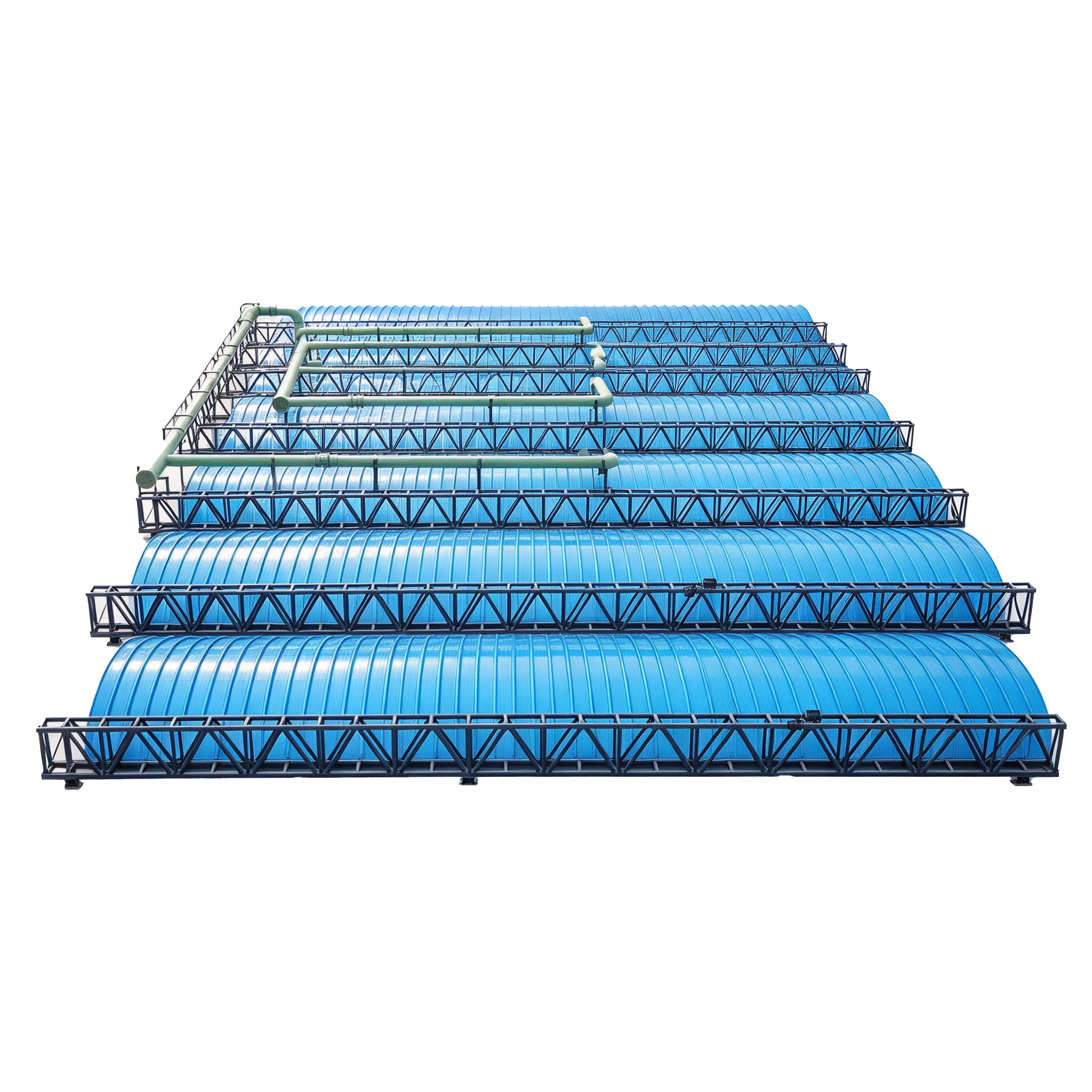
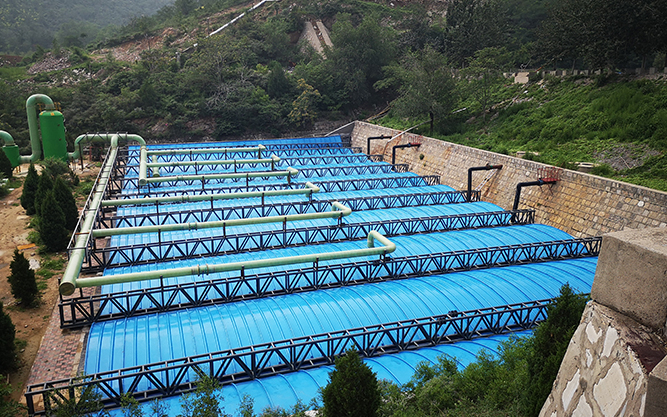
What is an exhaust-sealing collection cover? How can waste gases be captured from open-source emission points?
Online


Send email


Industrial Exhaust Gas Treatment Equipment
1793084234000
How to Improve the Collection Efficiency of Fugitive Waste Gas? Cover Design and Integration with Downstream Equipment
Views:0
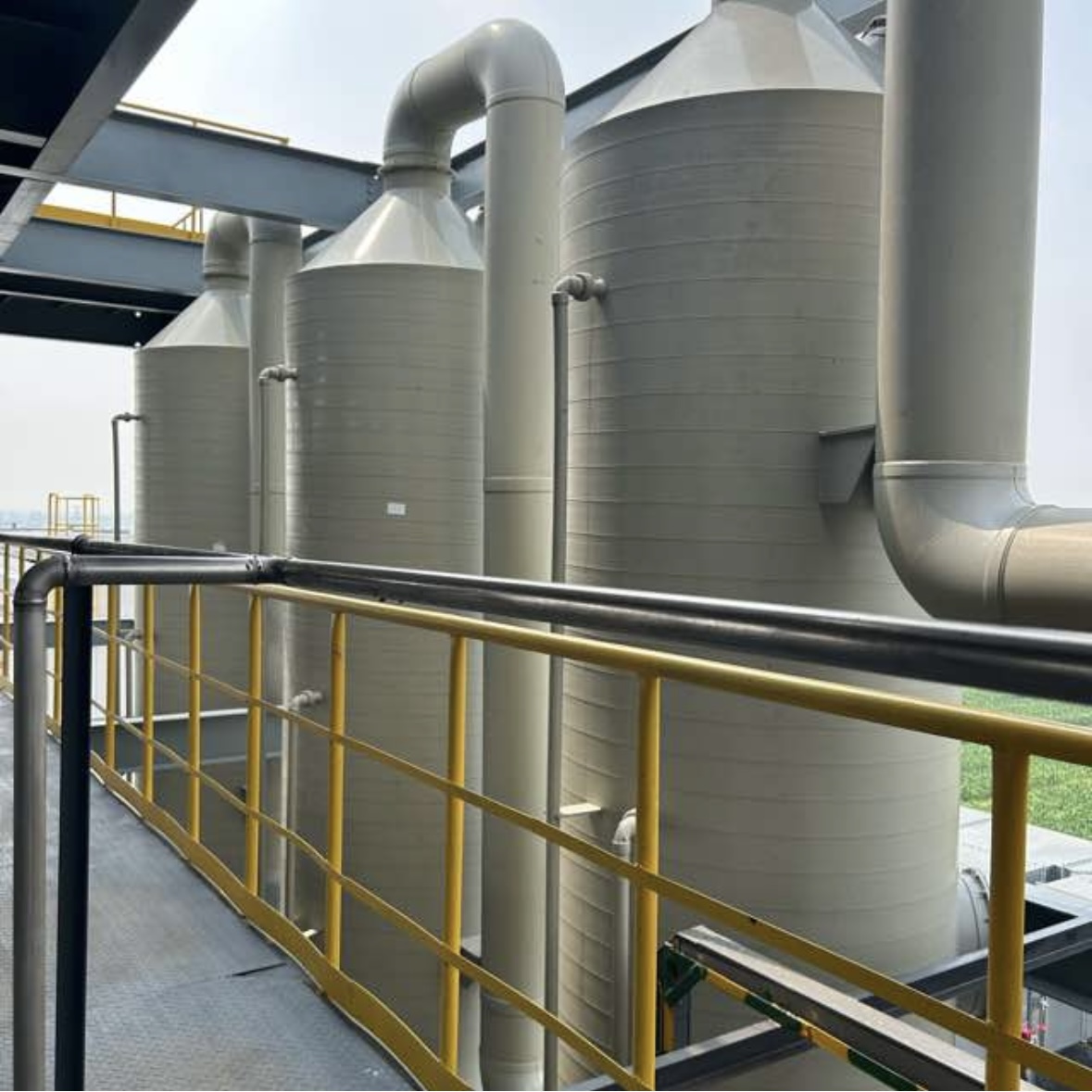
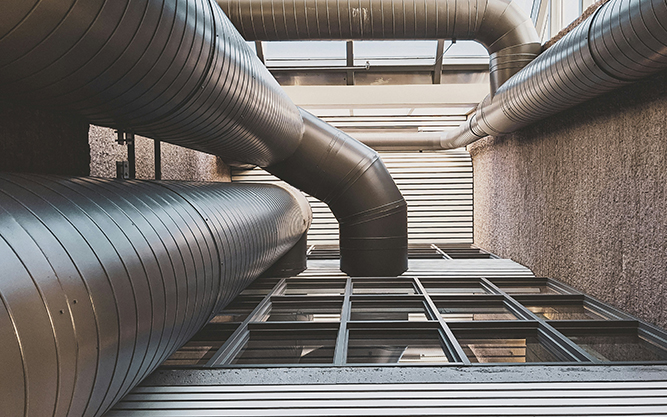
The effectiveness of fugitive exhaust gas collection depends not only on whether covers are placed over pollution-generating points, but also on the integrity of seals at joints, the design of operational openings, the exhaust flow rate, and the operational status of the negative-pressure system. During the design phase, it is necessary to measure the dimensions of tanks and workstations, account for requirements related to personnel operation, observation, and maintenance, and strategically position ventilation connection points. Once installed, the covers must be properly integrated with the ductwork and downstream treatment equipment. Depending on the composition of the exhaust gas and the chosen treatment strategy, the gas can be routed to systems such as scrubbing towers, activated carbon adsorption units, biological deodorization units, or other treatment facilities. As gas collection covers serve only to capture and transport emissions, the overall treatment efficiency and compliance with discharge standards must be evaluated based on the complete process design and the results of project-specific testing.
Related articles
Industrial Exhaust Gas Treatment Equipment
What is an exhaust-sealing collection cover? How can waste gases be captured from open-source emission points?
Industrial Exhaust Gas Treatment Equipment
How to Choose Gas-Collection Covers: FRP, PP, Stainless Steel, or Carbon Steel? Considerations Regarding Material and Operating Conditions
Related products
FAQs
Frequently asked questions related to this article.
View details
What are the collection efficiency and applicable temperature range for the gas-collection cover plate?
How should the material for a resin tank be selected?
What are the materials and specifications for resin tanks?
Can the resin tank operate continuously?
How do resin tanks adsorb and recover organic solvents?
What are resin tanks primarily used for?


Contact us
If you have questions or need help, contact our team for dedicated support.
We look forward to hearing from you
Submit
Online
Send email