




View details
Industrial Exhaust Gas Treatment Equipment
How Do Biological Deodorization Units Treat Malodorous Waste Gas? An Explanation of Working Principles and Purification Processes
Online


Send email


Industrial Exhaust Gas Treatment Equipment
1793084071000
Where Can Biological Deodorization Units Be Used? Common Sources of Odor and Operational Requirements
Views:0
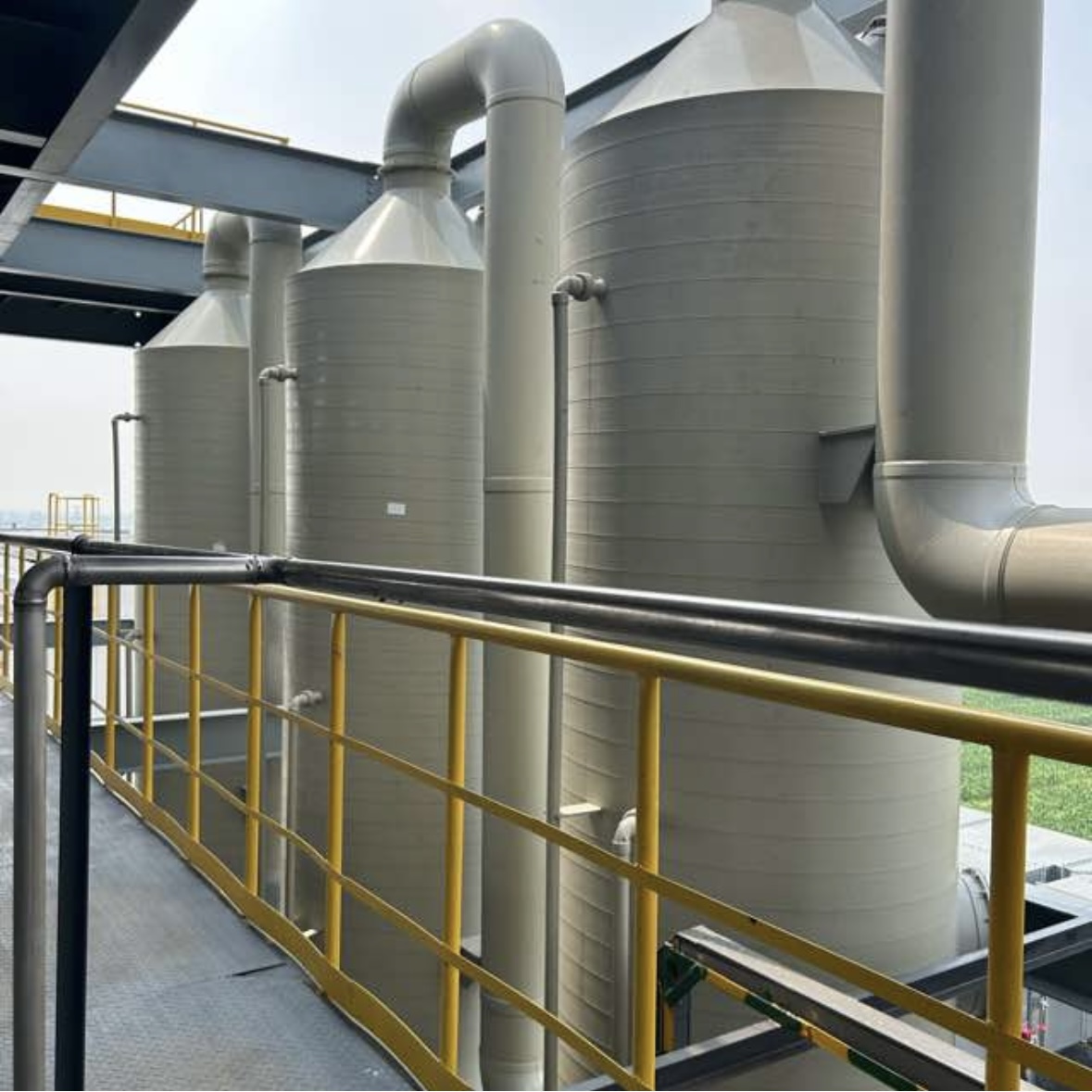
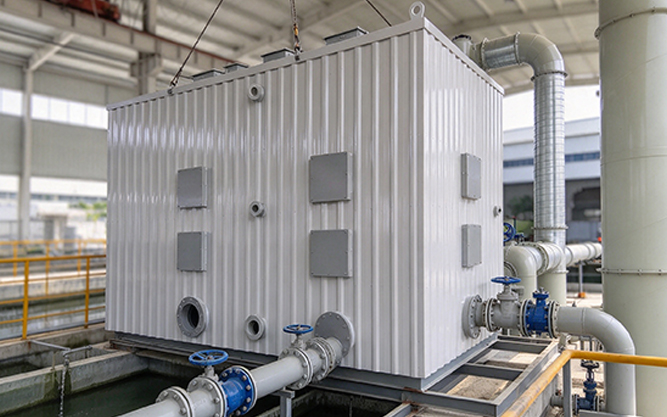
Biological deodorization units can be used for odor control in various settings, including wastewater treatment plants, sludge dewatering facilities, waste transfer stations, livestock and poultry farms, food fermentation plants, pharmaceutical facilities, and rubber manufacturing plants. They are effective for treating malodorous gases—such as hydrogen sulfide, ammonia, and mercaptans—as well as low-concentration volatile organic compounds (VOCs) that contain readily biodegradable components. During project assessment, it is essential to determine the source of the odor, its primary constituents, concentration, airflow rate, and inlet gas temperature. The specified operating range for the inlet gas temperature is 15–40°C, and the waste gas must not contain substances with strong bactericidal or toxic properties. As the composition of waste gas can vary significantly depending on the facility, the suitability of a biological treatment method—and the potential need for pre-treatment—should be evaluated based on specific operational conditions.
Related articles
Industrial Exhaust Gas Treatment Equipment
How Do Biological Deodorization Units Treat Malodorous Waste Gas? An Explanation of Working Principles and Purification Processes
Industrial Exhaust Gas Treatment Equipment
How to Select a Biological Deodorization Unit: Airflow Volume, Packing Height, and Equipment Configuration
Related products
FAQs
Frequently asked questions related to this article.
View details
What is the deodorization efficiency of a biological deodorization unit, and what auxiliary systems are required?
What are the available models and packing heights for biological deodorization units?
What is the treatment air volume range for a biological deodorization unit?
For what temperature ranges and exhaust gas conditions are biological deodorization units suitable?
How do biological deodorization units purify waste gas?
What types of malodorous gases are primarily treated by biological deodorization units?


Contact us
If you have questions or need help, contact our team for dedicated support.
We look forward to hearing from you
Submit
Online
Send email