Select a country or region

Global

English

How Do Biological Deodorization Units Treat Malodorous Waste Gas? An Explanation of Working Principles and Purification Processes

Industrial Exhaust Gas Treatment Equipment

1793084035000

How Do Biological Deodorization Units Treat Malodorous Waste Gas? An Explanation of Working Principles and Purification Processes

Views:0

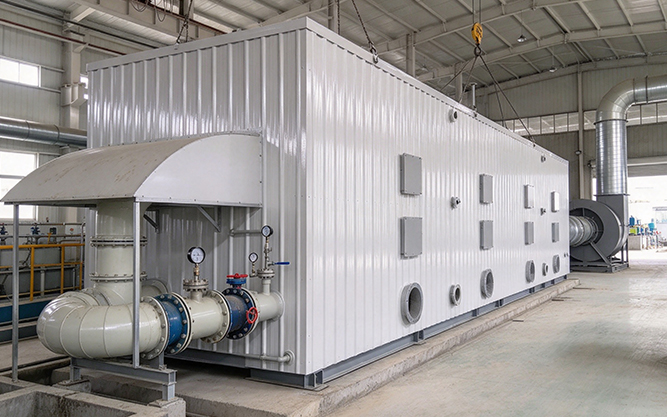
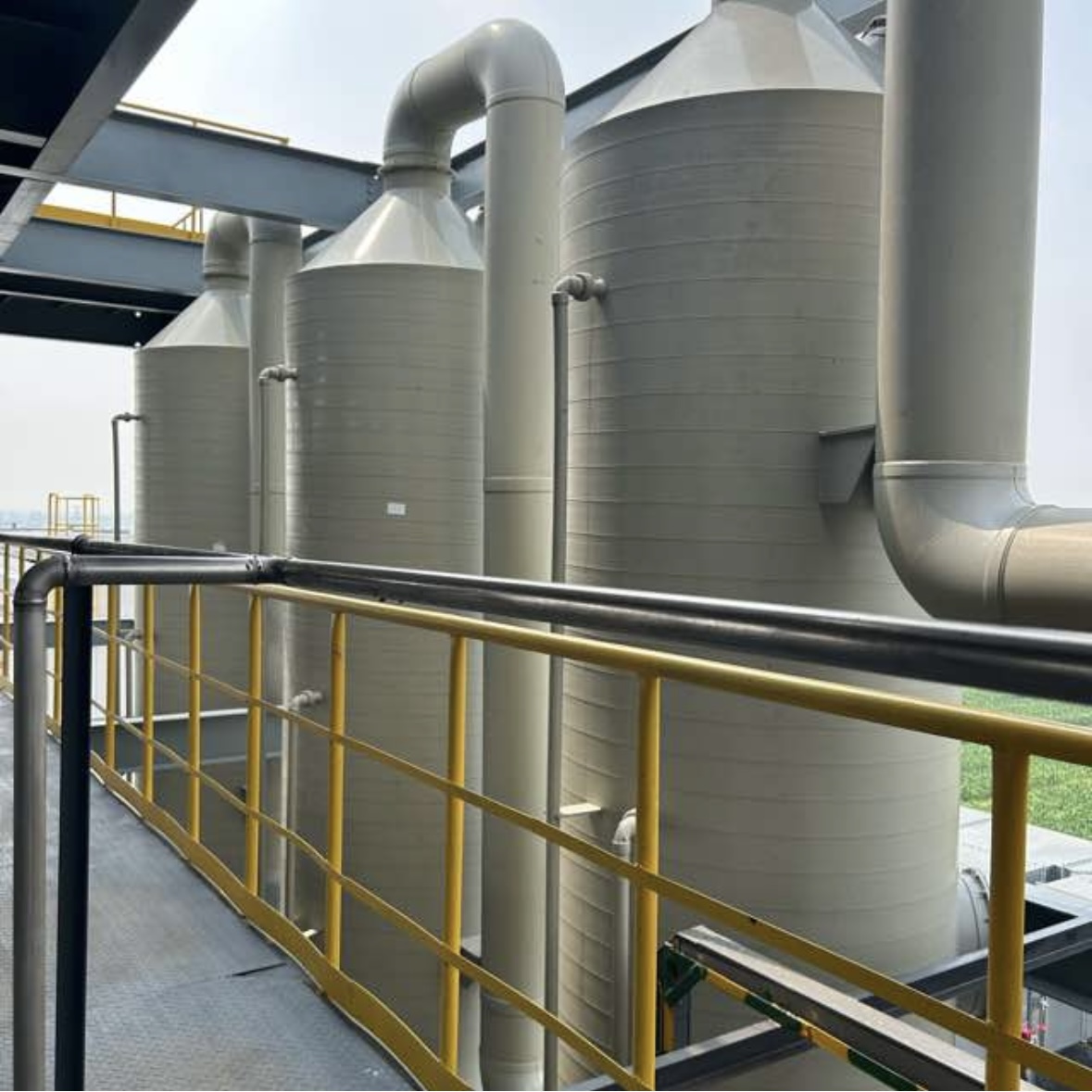
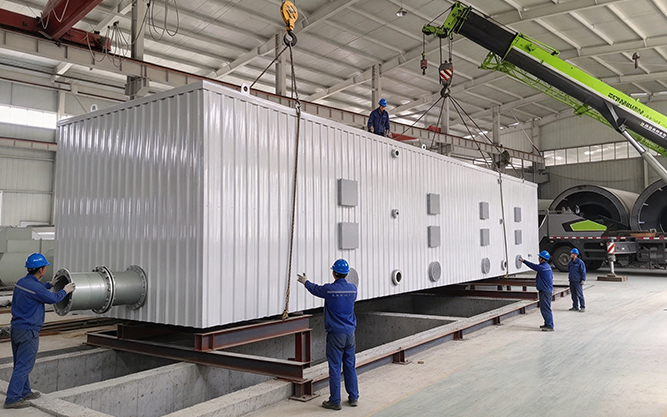
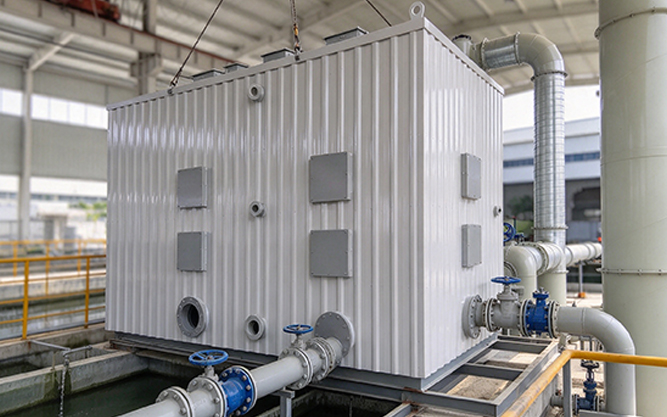
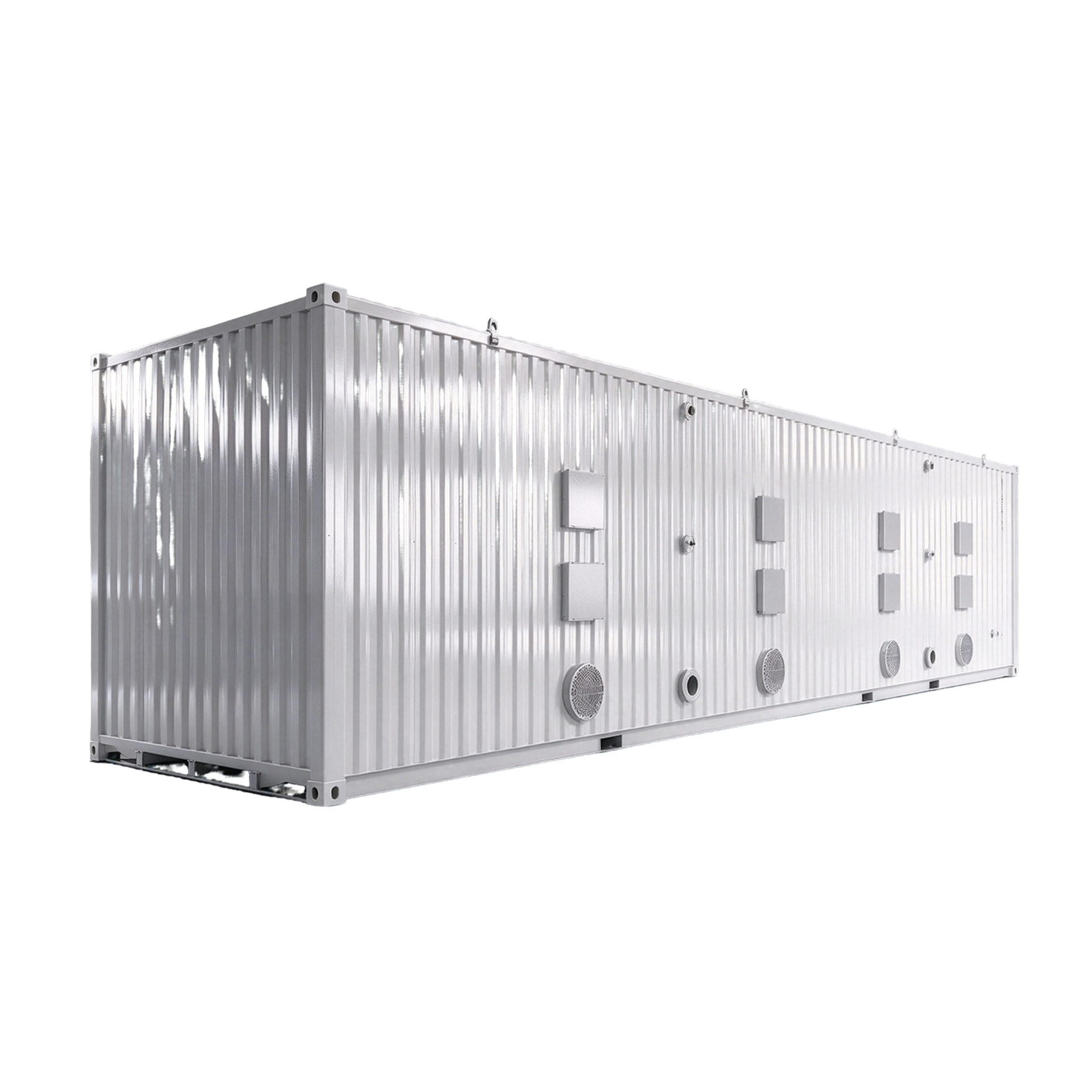
A biological deodorization unit utilizes microbial metabolism to break down certain malodorous substances present in waste gas. Before entering the unit, the waste gas passes through a pre-washing stage, where it is humidified and its temperature is adjusted; it then enters a filter bed packed with biological media. Once the odor molecules are adsorbed onto the media, microorganisms residing on the surface utilize them as nutrients, oxidizing and decomposing them into substances such as carbon dioxide, water, and inorganic salts. The unit is equipped with a spray system designed to maintain the moisture level of the media and sustain the environment required for microbial survival. Operational performance depends on the state of the microorganisms, the composition of the waste gas, and specific operating conditions; therefore, factors such as the inlet gas temperature and the potential presence of potent bactericidal agents in the waste gas must be taken into account during the evaluation of the system design.

FAQs

Frequently asked questions related to this article.

View details

What is the deodorization efficiency of a biological deodorization unit, and what auxiliary systems are required?

The odor removal efficiency is ≥95%; the system is equipped with a circulating spray mechanism and liquid-level control. Actual performance may vary depending on the composition, concentration, and temperature of the exhaust gas, as well as specific operating conditions; these factors should be verified based on project-specific testing and applicable emission requirements.

What are the available models and packing heights for biological deodorization units?

The models listed include the BOT-5000, BOT-10000, and BOT-20000, with corresponding air volumes of 5,000, 10,000, and 20,000 m³/h, respectively. The packing heights are 1200 mm for the BOT-5000, and 1200–1500 mm for both the BOT-10000 and BOT-20000. The unit dimensions, materials, and packing configuration can be determined or customized based on specific project requirements and operating conditions.

What is the treatment air volume range for a biological deodorization unit?

The equipment’s air treatment capacity ranges from 500 to 100,000 m³/h; larger specifications can also be customized based on project requirements. The specific model should be determined by considering factors such as the exhaust gas flow rate, the nature of the pollutants, the required residence time, and on-site installation conditions.

For what temperature ranges and exhaust gas conditions are biological deodorization units suitable?

The provided data specifies an inlet air temperature range of 15–40°C. The waste gas must not contain highly bactericidal or toxic substances, as these could impair microbial activity. For actual projects, it is also necessary to verify the composition and concentration of the waste gas, as well as other operating conditions that might affect the biological treatment process.

How do biological deodorization units purify waste gas?

The malodorous waste gas first passes through a pre-scrubbing stage, where it is humidified and its temperature is adjusted, before entering a biological filter bed. Microorganisms on the surface of the packing material adsorb and decompose the odorous components in the waste gas, converting them into substances such as carbon dioxide, water, and inorganic salts. A spray system is used to maintain the moisture level of the packing material, providing a suitable environment for the microorganisms.

What types of malodorous gases are primarily treated by biological deodorization units?

It is primarily used for treating malodorous gases such as hydrogen sulfide, ammonia, and mercaptans; it can also be applied to low-concentration VOCs containing readily biodegradable components. Its specific suitability should be evaluated based on the composition, concentration, and biodegradability of the waste gas.

Contact us

If you have questions or need help, contact our team for dedicated support.

We look forward to hearing from you

Submit