




View details
Industrial Exhaust Gas Treatment Equipment
How Do Biological Deodorization Units Treat Malodorous Waste Gas? An Explanation of Working Principles and Purification Processes
Online


Send email


Industrial Exhaust Gas Treatment Equipment
1793084106000
How to Select a Biological Deodorization Unit: Airflow Volume, Packing Height, and Equipment Configuration
Views:0
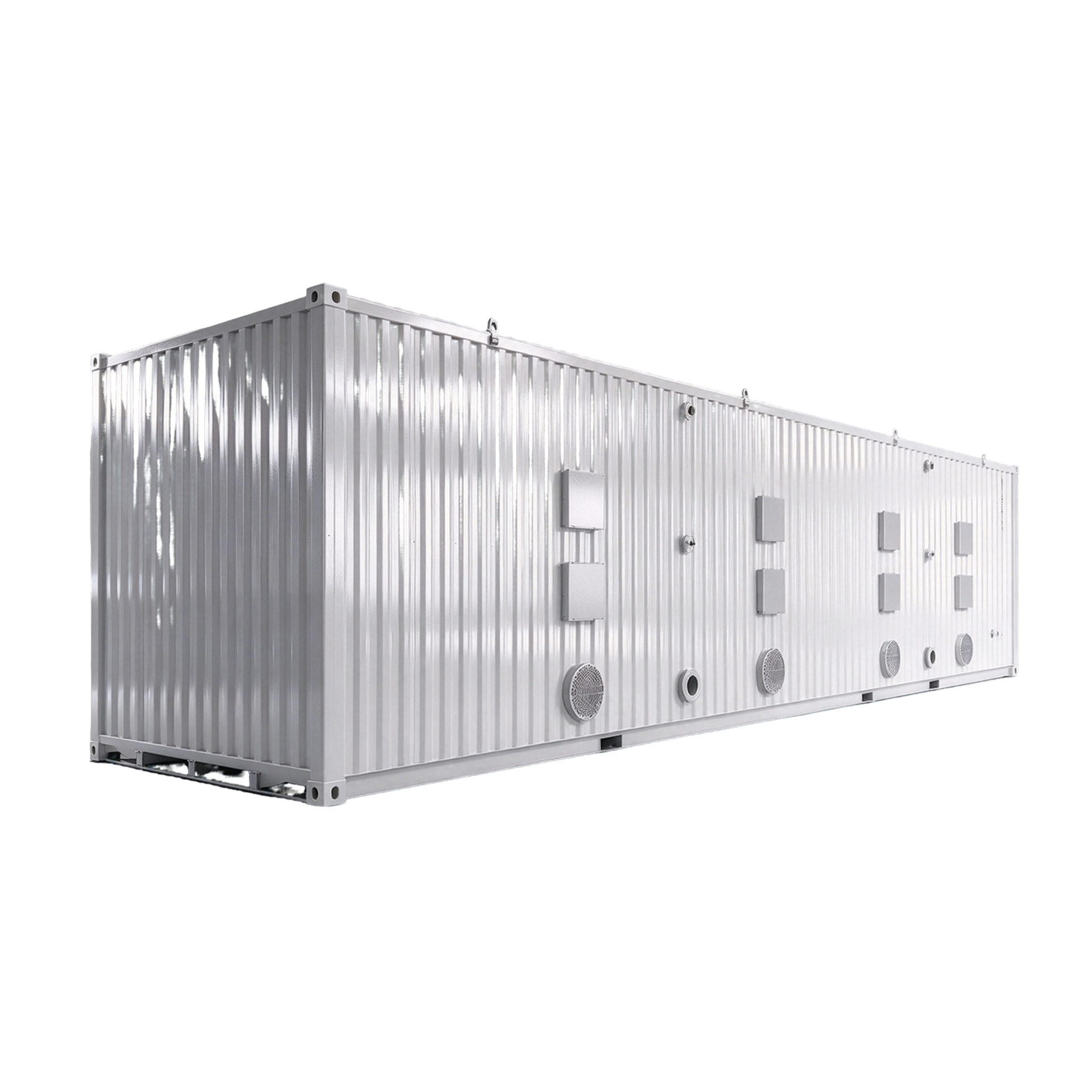
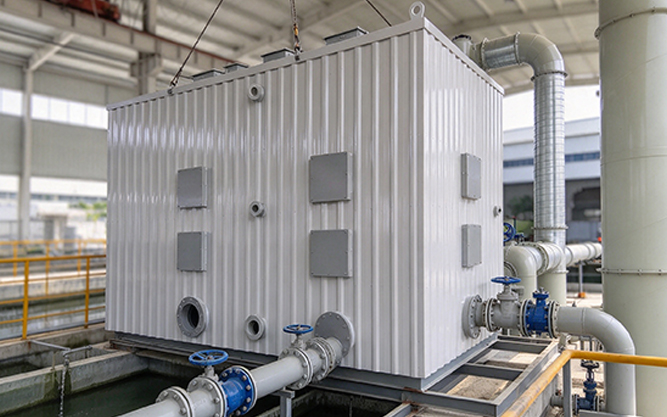
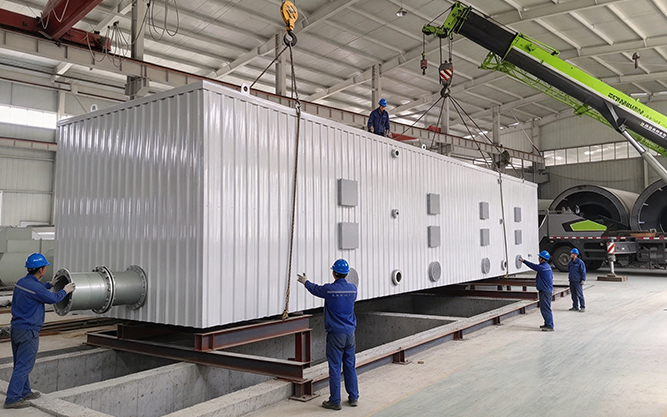
The selection of a biological deodorization unit requires comprehensive consideration of factors such as the required treatment air volume, the composition and concentration of the waste gas, inlet gas temperature, packing height, and on-site installation conditions. The models listed—BOT-5000, BOT-10000, and BOT-20000—offer treatment capacities of 5,000, 10,000, and 20,000 m³/h, respectively, with a packing height ranging from 1,200 to 1,500 mm. The unit housing can be constructed from either fiber-reinforced plastic (FRP) or anti-corrosion treated carbon steel. Key technical specifications include a residence time of ≥15–25 seconds and an equipment pressure drop of 600–1,000 Pa; the system also incorporates a circulating spray mechanism and liquid level control. Air volume, housing material, and packing type can be customized to meet specific project requirements; the final configuration must be determined based on an assessment of waste gas characteristics, fan capacity, and site-specific conditions.
Related articles
Industrial Exhaust Gas Treatment Equipment
How Do Biological Deodorization Units Treat Malodorous Waste Gas? An Explanation of Working Principles and Purification Processes
Industrial Exhaust Gas Treatment Equipment
Where Can Biological Deodorization Units Be Used? Common Sources of Odor and Operational Requirements
Related products
FAQs
Frequently asked questions related to this article.
View details
What is the deodorization efficiency of a biological deodorization unit, and what auxiliary systems are required?
What are the available models and packing heights for biological deodorization units?
What is the treatment air volume range for a biological deodorization unit?
For what temperature ranges and exhaust gas conditions are biological deodorization units suitable?
How do biological deodorization units purify waste gas?
What types of malodorous gases are primarily treated by biological deodorization units?


Contact us
If you have questions or need help, contact our team for dedicated support.
We look forward to hearing from you
Submit
Online
Send email