




View details
Dust removal equipment
How Does a Pulse-Jet Cartridge Dust Collector Work? An Explanation of the Filtration and Automatic Cleaning Process
Online


Send email


Dust removal equipment
1793086713000
For which processes are cartridge dust collectors suitable? An overview of dust types and application scenarios
Views:0
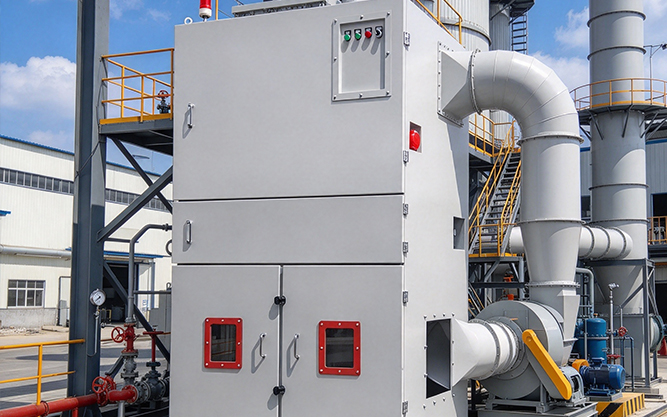
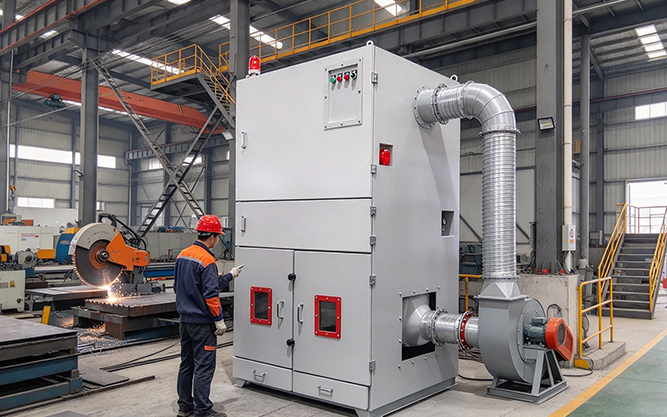
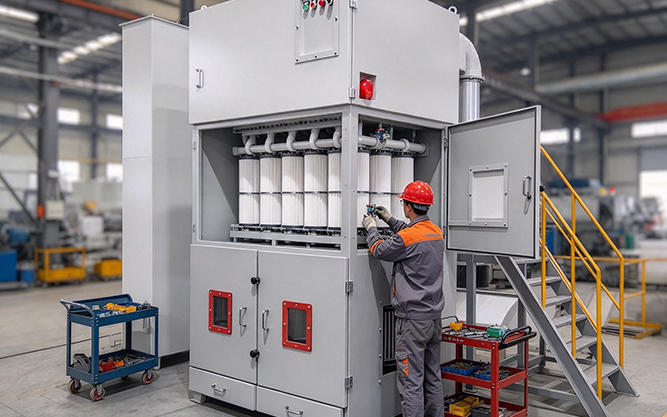
Cartridge dust collectors are suitable for a wide range of dry dust control applications, including machining, metal grinding, welding fume extraction, laser cutting, plastics processing, the production of building materials and ceramics, food and pharmaceutical manufacturing, and powder handling/feeding processes. These units can be deployed at individual workstations or specific points along a production line, or integrated into a facility-wide dust collection system. Before implementation, it is essential to assess the characteristics of the dust—specifically whether it is dry, prone to adhesion, or corrosive—and to determine if the production environment involves high temperatures, high humidity, or risks of fire or explosion. Selecting the appropriate filter media and equipment configuration based on these operational conditions is necessary to evaluate whether a cartridge dust collector is the right solution.
Related products
FAQs
Frequently asked questions related to this article.
View details
What models of cartridge dust collectors are available, and which parameters should be considered when selecting one?
For what temperature and humidity conditions are cartridge dust collectors suitable?
How fine a dust particle can a cartridge dust collector filter out? What is its dust removal efficiency?
How do pulse-jet cartridge dust collectors perform filtration and dust cleaning?
What types of dust are primarily handled by pulse-jet cartridge dust collectors?


Contact us
If you have questions or need help, contact our team for dedicated support.
We look forward to hearing from you
Submit
Online
Send email