




View details
Dust removal equipment
How Does a Pulse-Jet Cartridge Dust Collector Work? An Explanation of the Filtration and Automatic Cleaning Process
Online


Send email


Dust removal equipment
1793086750000
How to Select a Pulse-Jet Cartridge Dust Collector? An Explanation of Airflow, Filtration Area, and Operating Parameters
Views:0
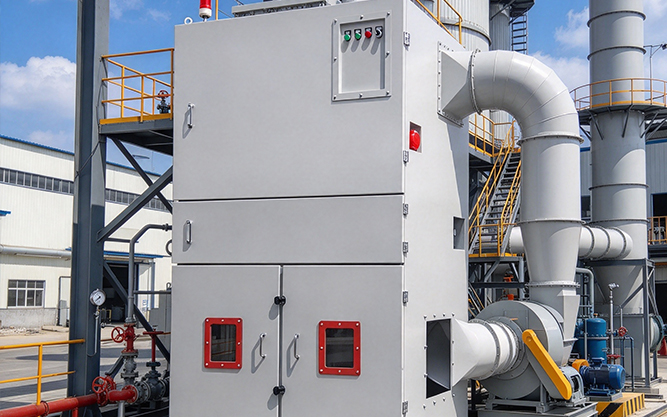
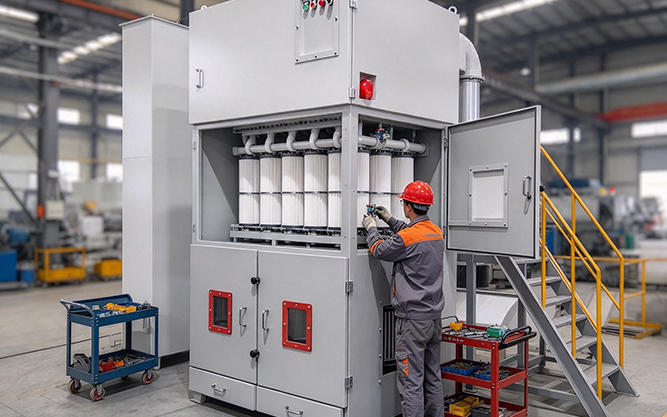
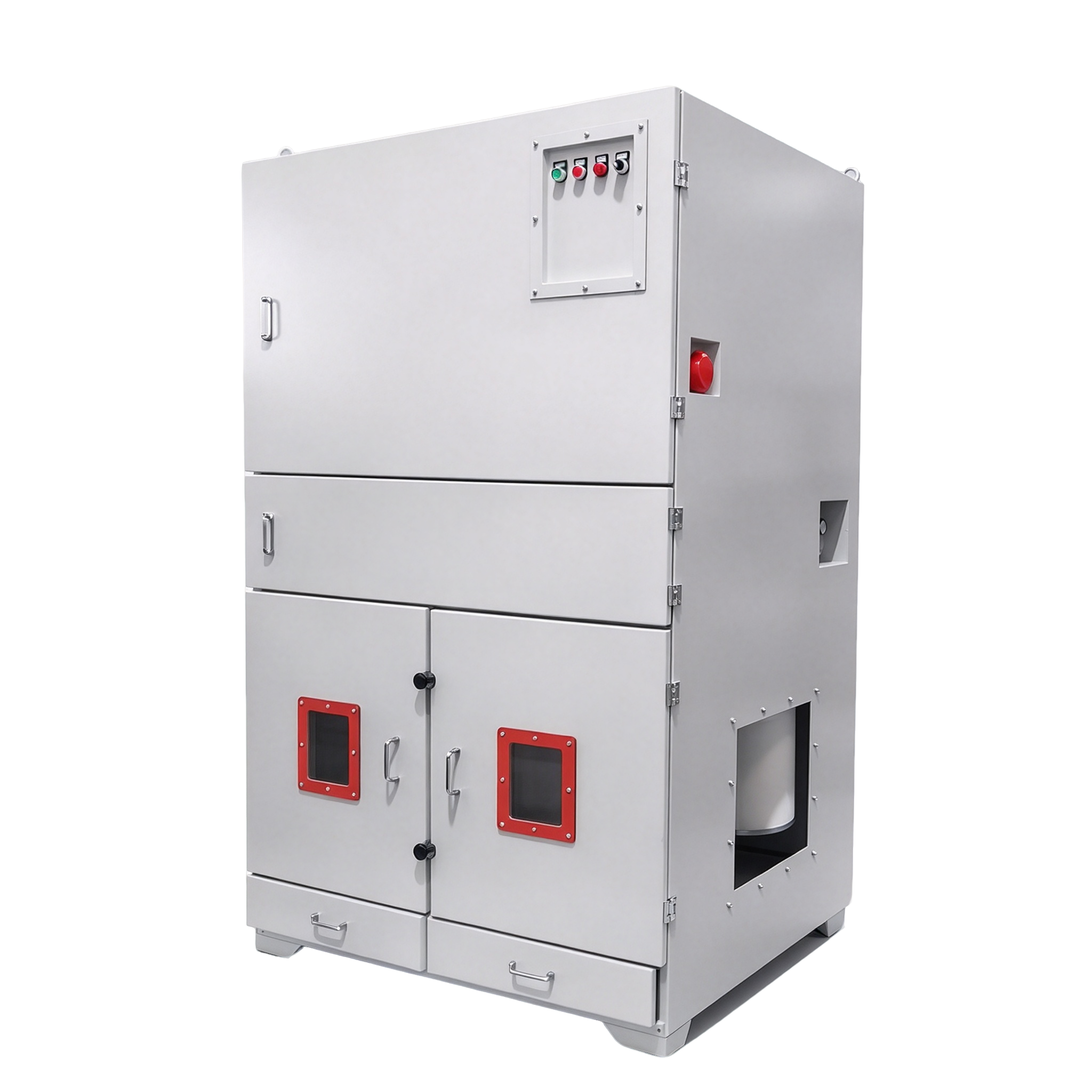
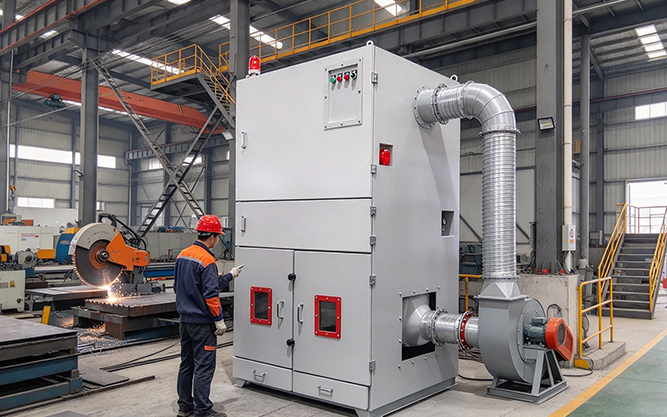
When selecting equipment, first determine the required airflow for the dust-generating process, the characteristics of the dust, the available installation space, and the target emission standards. Then, based on the filtration velocity, calculate the necessary filtration area, the number of filter cartridges, and the overall equipment specifications. Standard product specifications typically feature an airflow range of 3,000–15,000 m³/h, a filtration area of 50–270 m², and a filtration velocity of 0.8–1.2 m/min. Cleaning cycles can be triggered by a timer or by reaching a specific pressure drop, with a compressed air supply pressure of 0.4–0.6 MPa. System design must also account for equipment pressure drop, filter cartridge specifications, and the configuration of the dust hopper and discharge mechanism. In cases involving high temperatures, high humidity, corrosive substances, or flammable/explosive dust, it is essential to carefully evaluate the choice of filter media, construction materials, and safety protocols.
Related products
FAQs
Frequently asked questions related to this article.
View details
What models of cartridge dust collectors are available, and which parameters should be considered when selecting one?
For what temperature and humidity conditions are cartridge dust collectors suitable?
How fine a dust particle can a cartridge dust collector filter out? What is its dust removal efficiency?
How do pulse-jet cartridge dust collectors perform filtration and dust cleaning?
What types of dust are primarily handled by pulse-jet cartridge dust collectors?


Contact us
If you have questions or need help, contact our team for dedicated support.
We look forward to hearing from you
Submit
Online
Send email