




View details
Dust removal equipment
For which processes are cartridge dust collectors suitable? An overview of dust types and application scenarios
Online


Send email


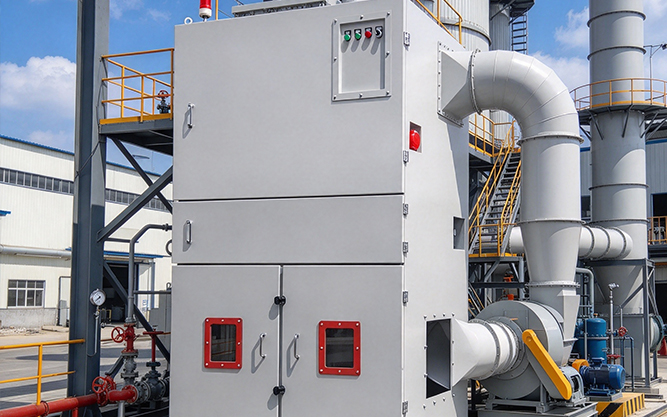
Dust removal equipment
1793086627000
How Does a Pulse-Jet Cartridge Dust Collector Work? An Explanation of the Filtration and Automatic Cleaning Process
Views:0
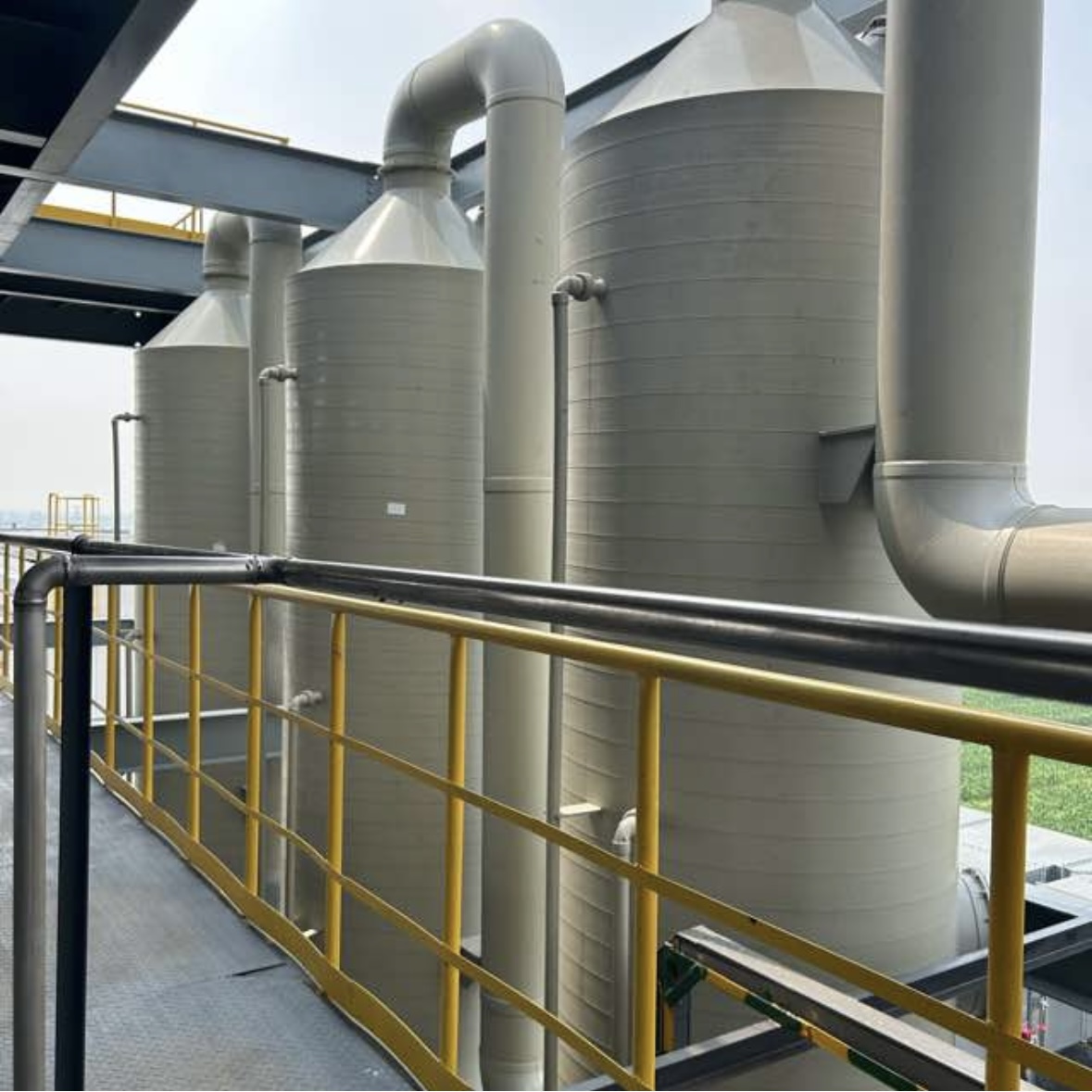
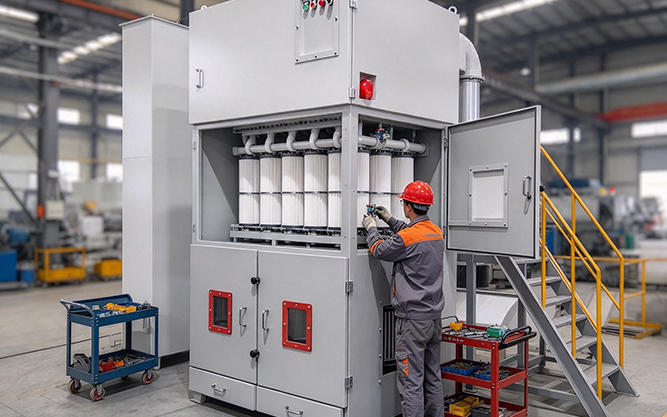
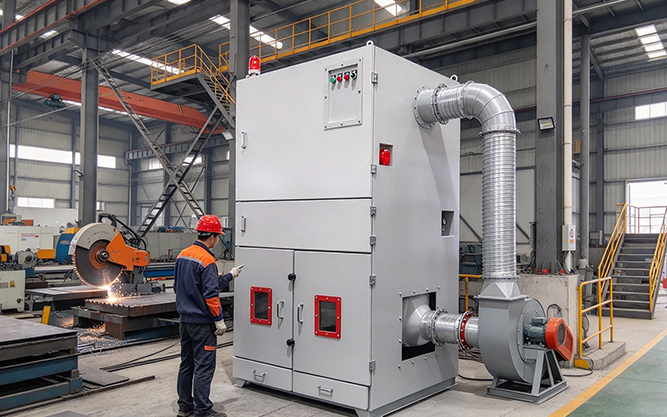
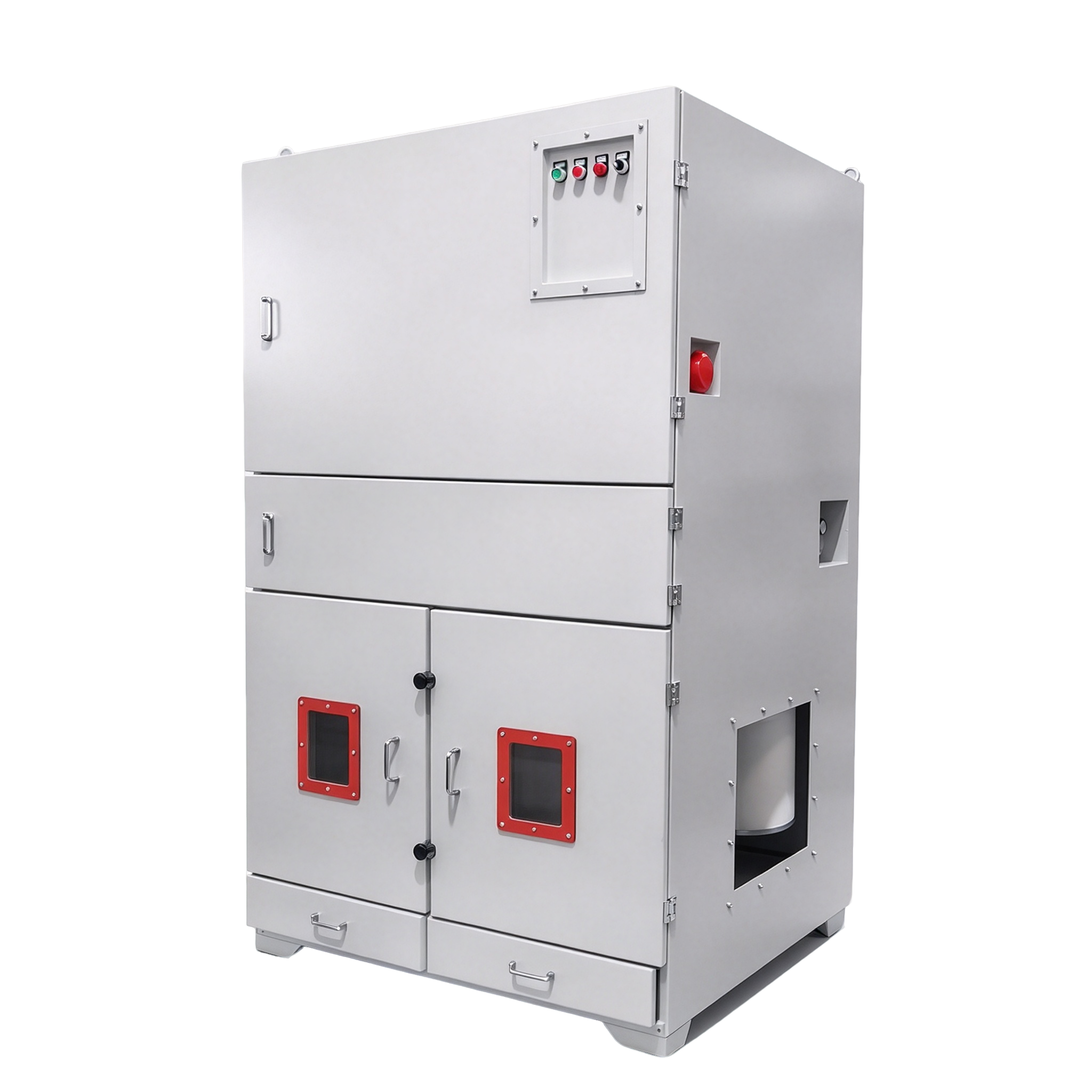
Pulse-jet cartridge dust collectors utilize a negative-pressure suction system to process dust-laden gas. Upon entering the unit, the airflow is distributed and diverted; larger dust particles settle into the hopper, while finer particles are captured by the filter media on the surface of the cartridges. The cleaned air then passes through the cartridges and is discharged. As the system operates, dust accumulation on the cartridges leads to an increase in resistance. A pulse-control system can trigger a cleaning cycle—based on either a preset time interval or a specific resistance threshold—releasing a burst of compressed air that dislodges the accumulated dust, causing it to fall into the hopper. The cleaning pressure, cycle duration, and control method should be determined based on the specific characteristics of the dust and the equipment configuration, rather than relying solely on a fixed time interval without considering actual operating conditions.
Related products
FAQs
Frequently asked questions related to this article.
View details
What models of cartridge dust collectors are available, and which parameters should be considered when selecting one?
For what temperature and humidity conditions are cartridge dust collectors suitable?
How fine a dust particle can a cartridge dust collector filter out? What is its dust removal efficiency?
How do pulse-jet cartridge dust collectors perform filtration and dust cleaning?
What types of dust are primarily handled by pulse-jet cartridge dust collectors?


Contact us
If you have questions or need help, contact our team for dedicated support.
We look forward to hearing from you
Submit
Online
Send email