




View details
Heat exchanger
How to Select a Finned Heat Exchanger? An Explanation of Heat Transfer Capacity, Airflow, and Structural Parameters
Online


Send email


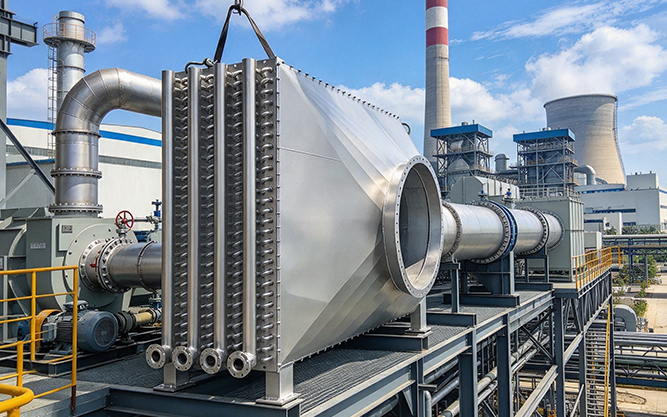
Heat exchanger
1793087288000
How Do Finned Heat Exchangers Transfer Heat? Principles of Air Heating, Cooling, and Waste Heat Recovery
Views:0
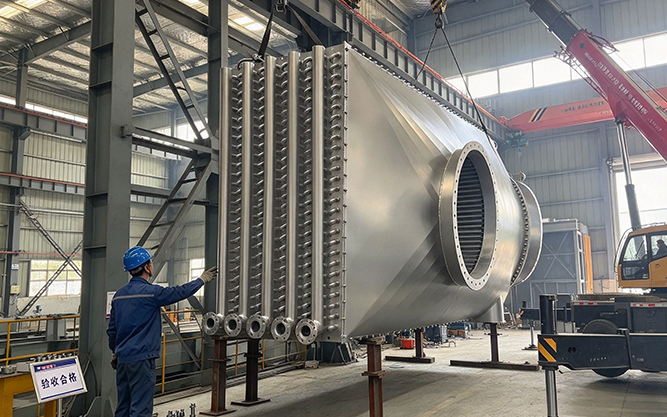
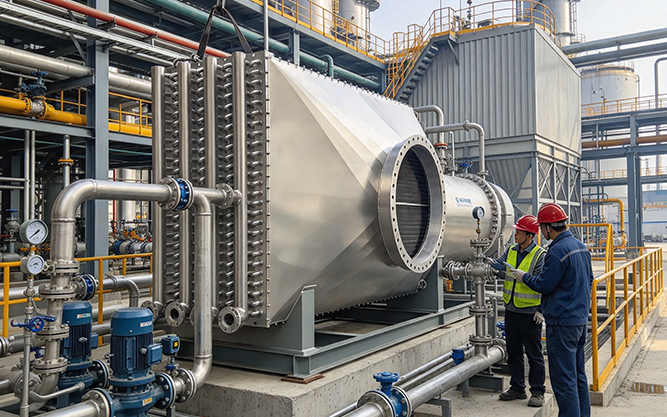
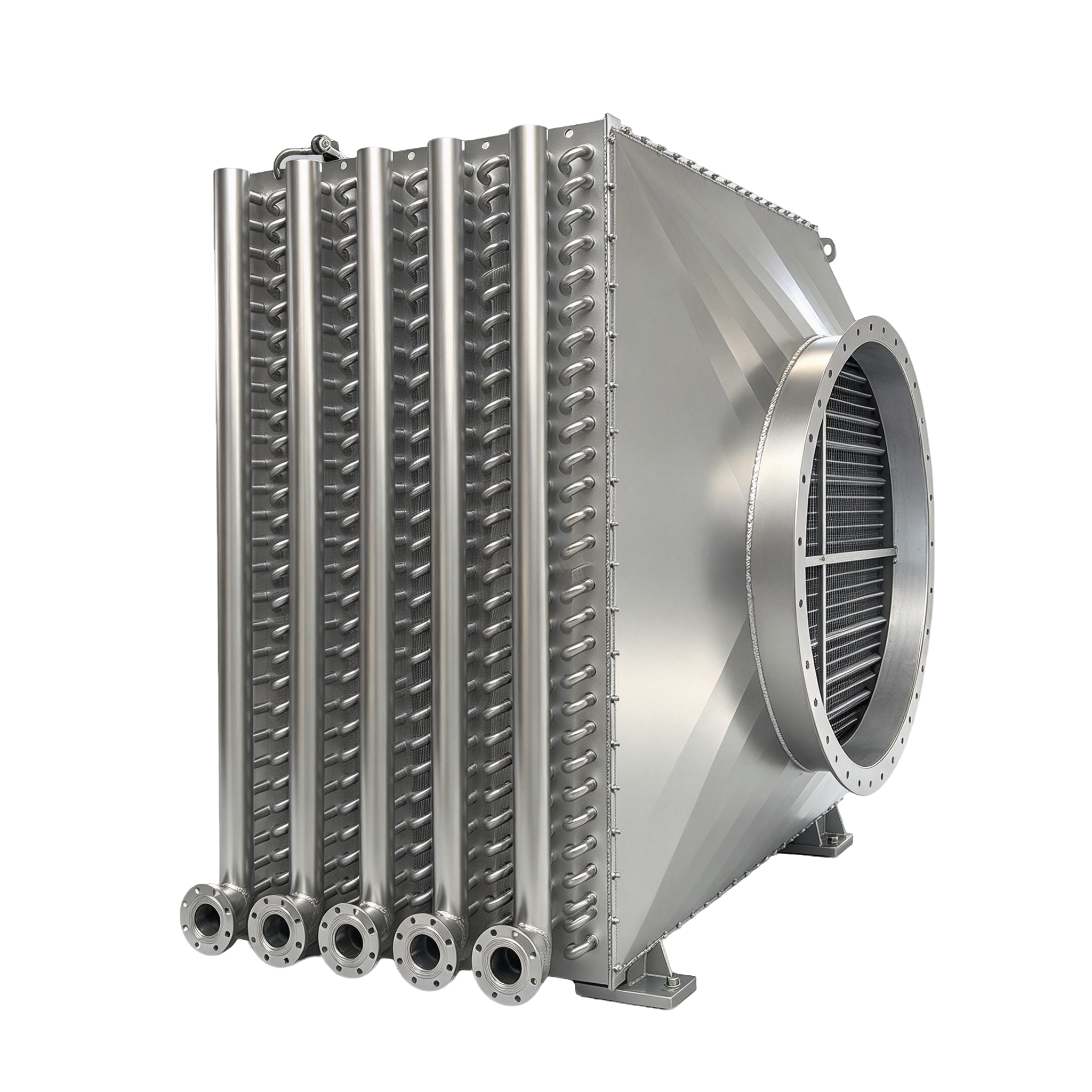
Finned-tube heat exchangers facilitate heat transfer through a tube bundle composed of heat-exchange tubes and attached fins. Hot water, saturated steam, or thermal oil flows through the tubes, transferring heat through the tube walls to the external fins; a fan drives air across the tube bundle, causing the air to absorb heat and increase in temperature. By replacing the internal medium with cold water or a refrigerant, the equipment can also be used for air cooling. Because the fins increase the heat-exchange surface area on the air side, such equipment is suitable for applications including drying, HVAC heating, process air treatment, and the recovery of waste heat from boilers or industrial kilns. The actual heat-exchange capacity depends on factors such as airflow rate, temperature differential, medium flow rate, fin configuration, and equipment flow resistance; therefore, the design must be tailored to specific project parameters.
Related products
FAQs
Frequently asked questions related to this article.
View details
What are the temperature and pressure ranges for finned-tube heat exchangers?
What materials can be chosen for heat exchanger tubes and fins?
What parameters need to be provided for model selection?
Can finned heat exchangers heat and cool air?
How does a finned heat exchanger work?
What are finned heat exchangers primarily used for?


Contact us
If you have questions or need help, contact our team for dedicated support.
We look forward to hearing from you
Submit
Online
Send email