Select a country or region

Global

English

How to Select a Finned Heat Exchanger? An Explanation of Heat Transfer Capacity, Airflow, and Structural Parameters

Heat exchanger

1793087326000

How to Select a Finned Heat Exchanger? An Explanation of Heat Transfer Capacity, Airflow, and Structural Parameters

Views:0

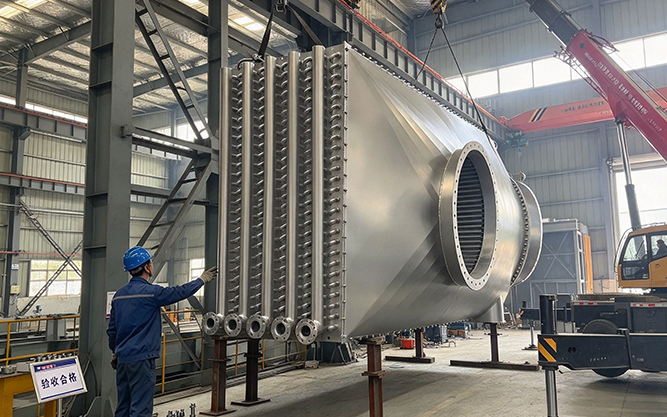
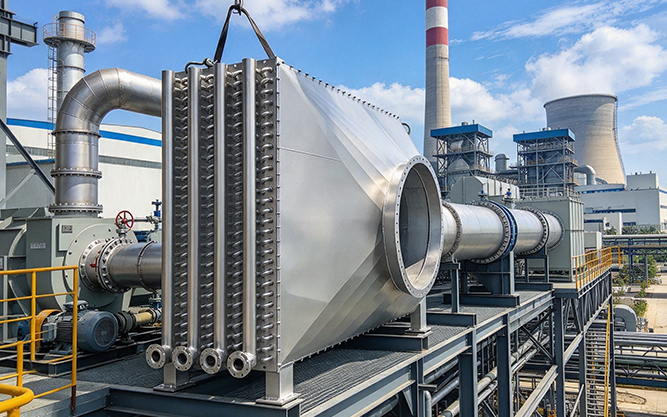
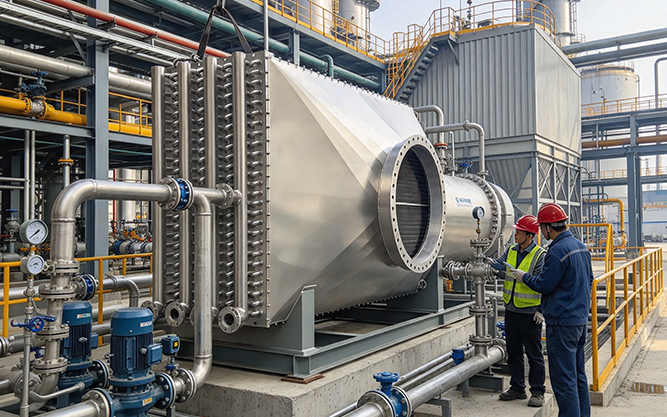
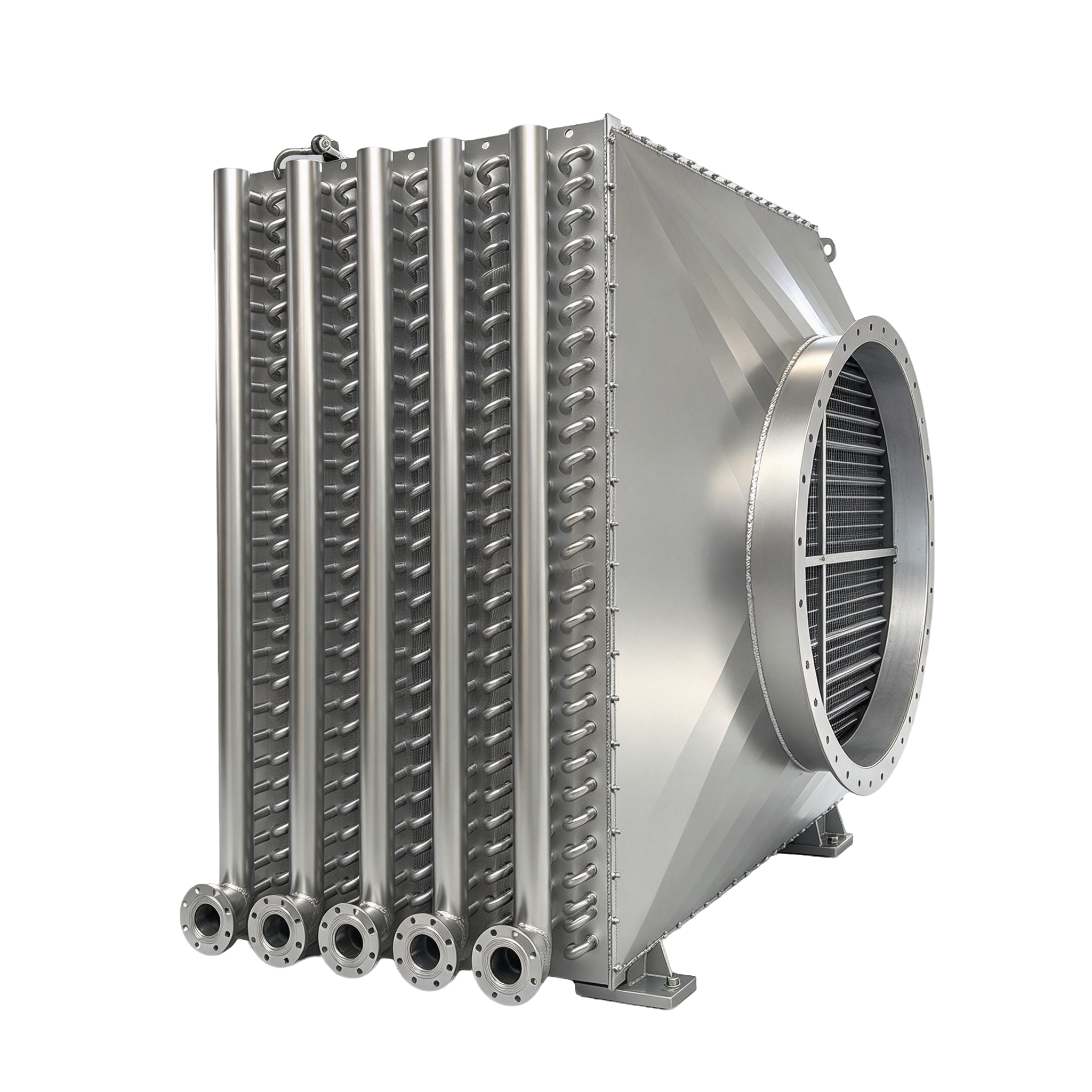
When selecting a finned-tube heat exchanger, it is essential to first define the air handling capacity, inlet and outlet temperatures, and the required heat transfer capacity. Additionally, information regarding the medium inside the tubes—including its type, temperature, pressure, and flow rate—must be provided. The design process also requires consideration of the allowable air-side resistance, pressure drop on the medium side, available installation space, and the operating environment. These factors are then used to determine the heat transfer surface area, fin spacing, number of tube rows, and number of tube passes. For applications involving flue gas waste heat recovery, the composition and temperature range of the flue gas must be specified; for air heating or cooling applications, the fan specifications and target outlet temperature are required. The more comprehensive the provided parameters, the more accurately the equipment dimensions, heat transfer performance, and auxiliary requirements can be evaluated.

FAQs

Frequently asked questions related to this article.

View details

What are the temperature and pressure ranges for finned-tube heat exchangers?

The operating temperature range is -20°C to 400°C, with a tube-side pressure of ≤1.6 MPa; high-pressure versions can also be customized. The specific scope of application depends on the materials, construction, and design conditions; the final parameters shall be as specified in the project design documentation.

What materials can be chosen for heat exchanger tubes and fins?

Heat exchanger tubes can be made of 304 or 316L stainless steel, or carbon steel; fins can be made of aluminum, stainless steel, or copper. Since different materials vary in terms of temperature suitability, corrosion resistance, and cost, the choice should be determined based on the media inside and outside the tubes, operating temperatures, and specific project requirements.

What parameters need to be provided for model selection?

It is recommended to provide the following information: airflow rate or required heat transfer capacity, air inlet and outlet temperatures, the medium inside the tubes along with its inlet and outlet temperatures, operating pressure, medium composition, allowable pressure drop, available installation space, and site environmental conditions. These parameters influence the heat transfer area, fin spacing, number of tube rows, number of tube passes, and material specifications.

Can finned heat exchangers heat and cool air?

Yes. For heating, the system can be designed to use heat transfer media such as steam, hot water, or thermal oil; for cooling, cold water or a refrigerant can be used. The specific medium, inlet and outlet temperatures, and required heat transfer capacity should be clearly defined during the equipment selection process.

How does a finned heat exchanger work?

A heating medium—such as hot water, steam, or thermal oil—flows through heat-exchange tubes, transferring heat to the surrounding air via the tube walls and fins. Driven by a fan, the air passes over the finned tube bundle and increases in temperature. Conversely, if cold water or a refrigerant is circulated through the tubes, the system can be used to cool the air or other process media.

What are finned heat exchangers primarily used for?

Finned-tube heat exchangers facilitate heat transfer between a fluid medium inside the tubes and the air outside, and can be used for air heating, air cooling, and the recovery of waste heat from flue gases. Common applications include industrial drying, HVAC heating, process air treatment, and the utilization of waste heat from boilers or kilns.

Contact us

If you have questions or need help, contact our team for dedicated support.

We look forward to hearing from you

Submit