




View details
Heat exchanger
How Do Finned Heat Exchangers Transfer Heat? Principles of Air Heating, Cooling, and Waste Heat Recovery
Online


Send email


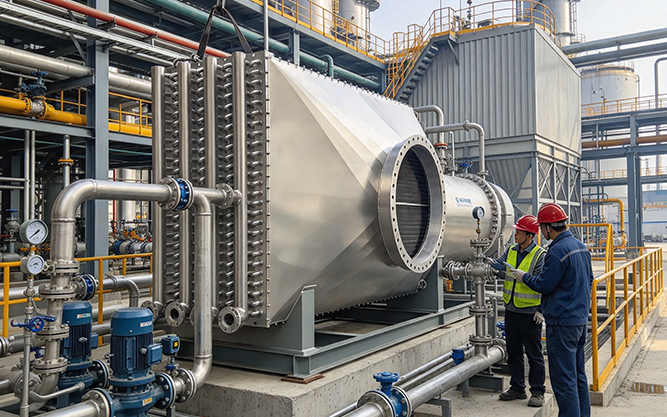
Heat exchanger
1793087394000
How to Select Materials for Finned Heat Exchangers? Considerations for Heat Exchanger Tube and Fin Configurations
Views:0
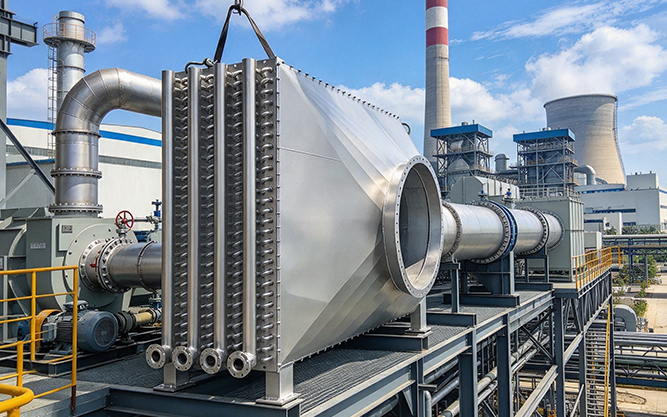
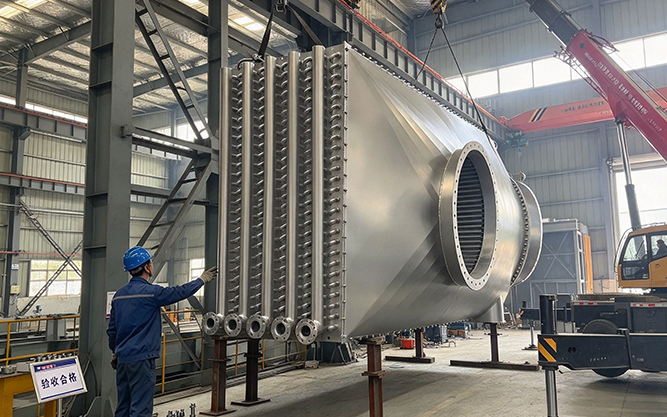
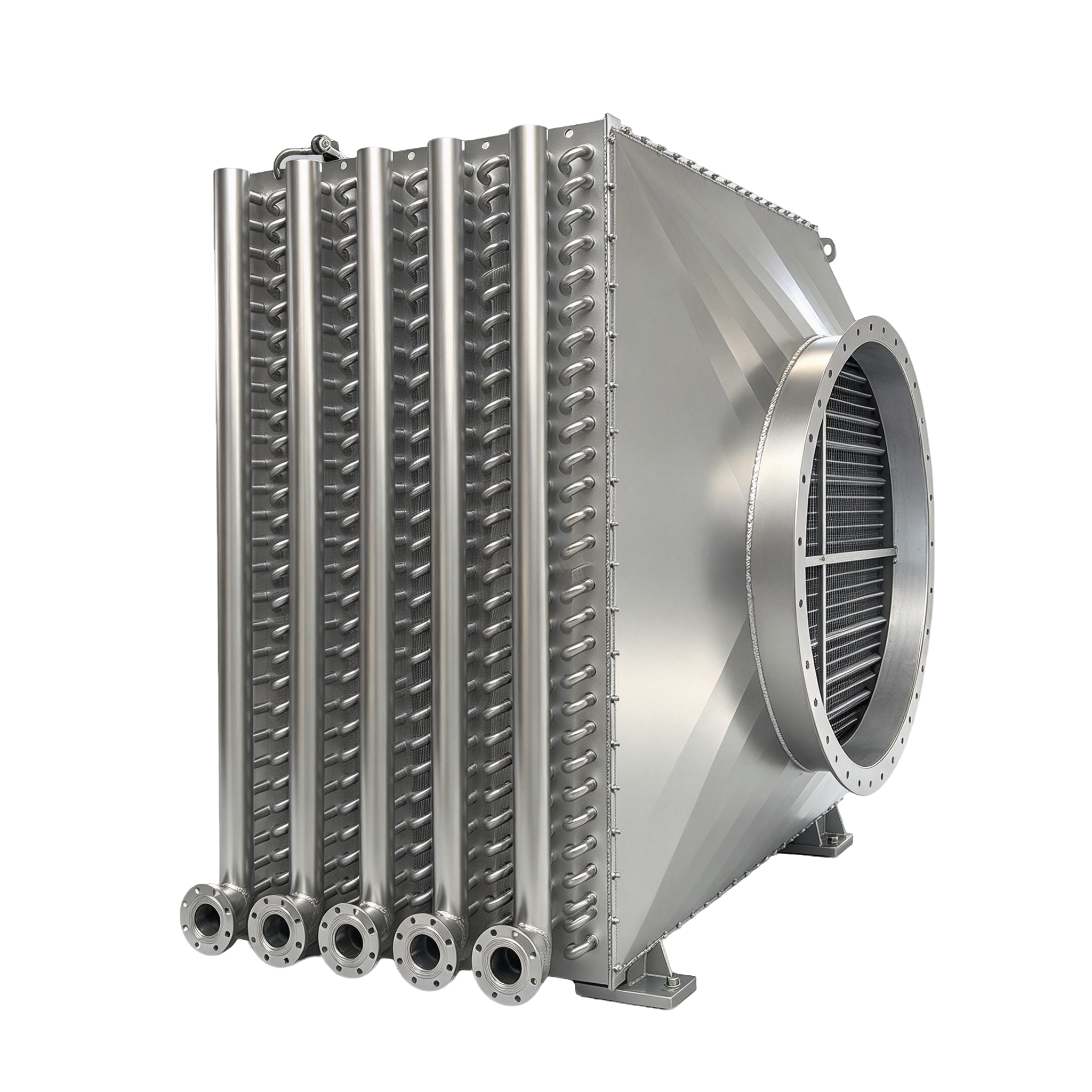
The heat exchanger tubes, fins, and header/frame assemblies of a finned-tube heat exchanger can be constructed from various materials. Material selection must account for the corrosivity of the media (both inside and outside the tubes), operating temperatures and pressures, and environmental conditions. Available options for heat exchanger tubes include 304 and 316L stainless steel as well as carbon steel, while fins can be made from aluminum, stainless steel, or copper. For instance, carbon steel may be suitable for certain standard air-heating or drying applications, whereas 316L stainless steel might be considered for environments containing chloride ions or other highly corrosive substances. The actual suitability must always be verified based on the specific composition of the media and the operating conditions. Furthermore, when finalizing the material combination, factors such as manufacturing/joining methods, thermal expansion, and future maintenance requirements should also be taken into account.
Related products
FAQs
Frequently asked questions related to this article.
View details
What are the temperature and pressure ranges for finned-tube heat exchangers?
What materials can be chosen for heat exchanger tubes and fins?
What parameters need to be provided for model selection?
Can finned heat exchangers heat and cool air?
How does a finned heat exchanger work?
What are finned heat exchangers primarily used for?


Contact us
If you have questions or need help, contact our team for dedicated support.
We look forward to hearing from you
Submit
Online
Send email