Select a country or region

Global

English

What should be prioritized during the installation and acceptance of fire water tanks? Guidelines for piping, liquid level monitoring, and maintenance access.

Fire water tank

1793087630000

What should be prioritized during the installation and acceptance of fire water tanks? Guidelines for piping, liquid level monitoring, and maintenance access.

Views:0

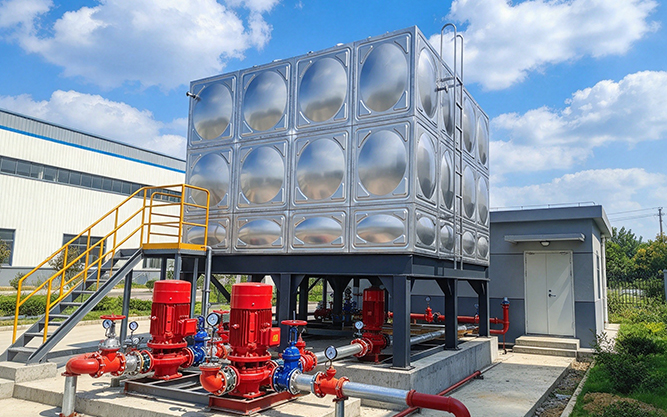
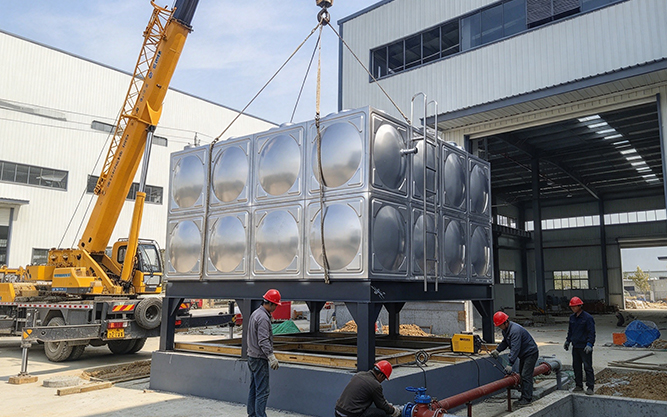
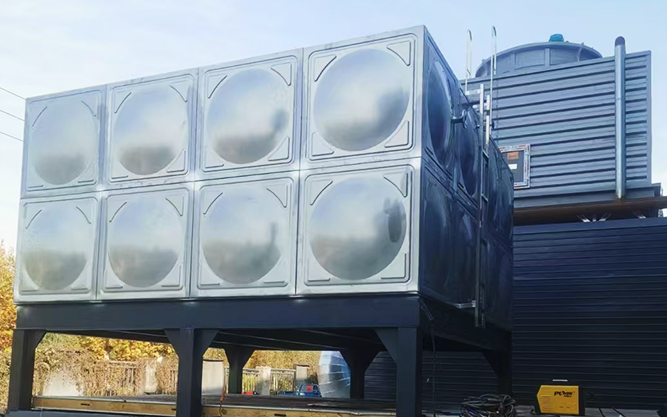
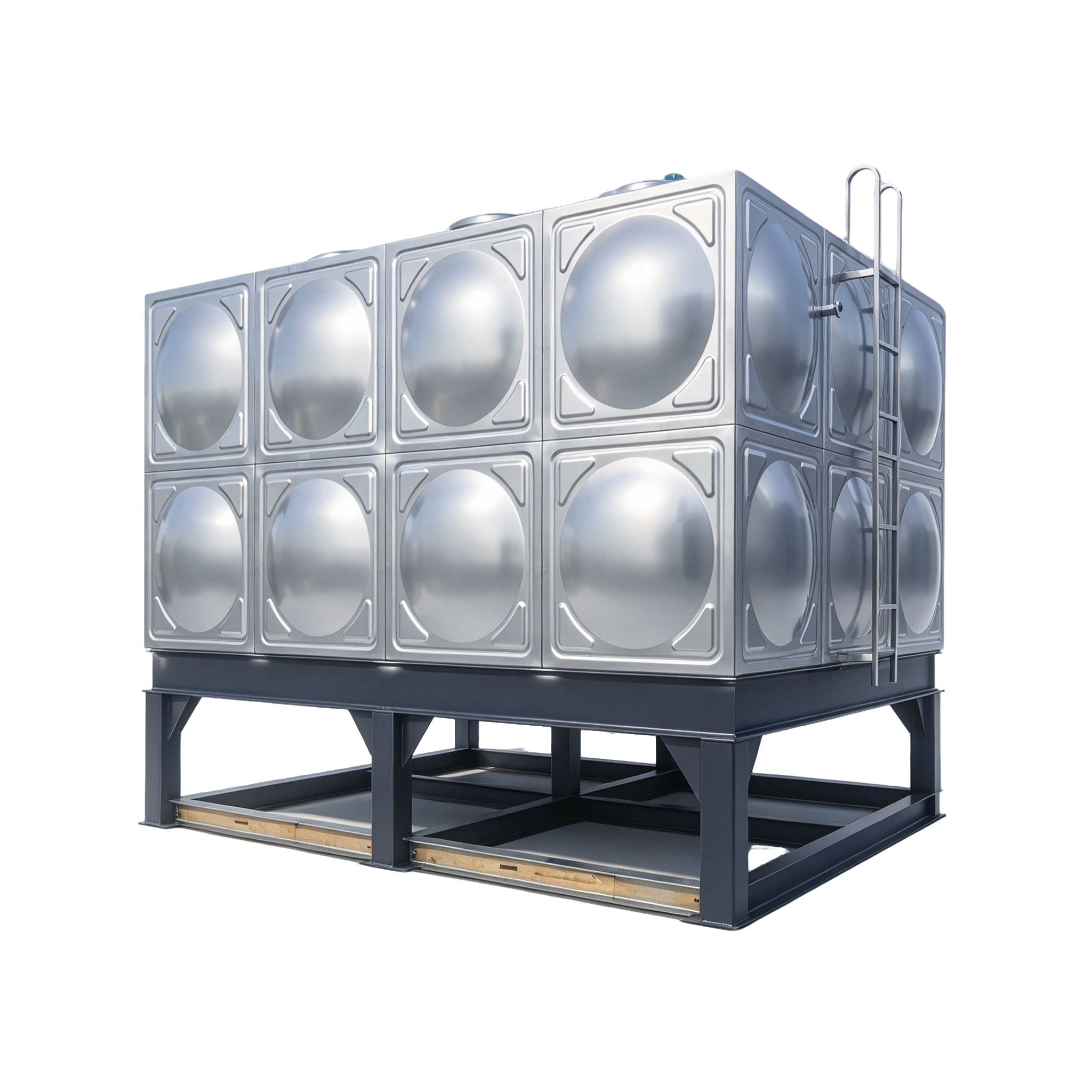
The installation of a fire-fighting water tank requires comprehensive planning, accounting for foundation load-bearing capacity, available space for positioning, connections for inlet and outlet piping, and accessibility for future maintenance. Standard components typically include an inlet pipe, outlet pipe, overflow pipe, drain pipe, vent pipe, manhole, access ladder, and a liquid-level monitoring device; larger tanks may also require internal bracing and support structures. In cold regions, the need for thermal insulation should be assessed based on the operating environment, while installations located underground or on rooftops must meet specific structural and protective requirements. Upon completion of the installation, a water-retention test should be conducted in accordance with project requirements to verify the proper functioning of liquid-level controls and piping connections. Specific acceptance procedures and maintenance intervals should adhere to the project design specifications and all applicable standards.

Related products

FAQs

Frequently asked questions related to this article.

View details

What inspections and maintenance checks are required for fire-fighting water tanks?

The water-holding test shall last for 2–3 hours, with the absence of any leakage serving as the criterion for acceptance. Specific requirements for final acceptance, cleaning, and maintenance shall be determined based on the project design, applicable standards, and the material of the water tank. Additionally, the configuration of components—such as the liquid level control system, inlet and outlet pipes, overflow pipe, drain pipe, and maintenance access facilities—should also be inspected.

Can fire water tanks be installed on the roof, on the ground, or underground?

The installation location depends on the type of water tank, the building structure, and the fire protection system design. Options include elevated installation, ground-level placement, or—in the case of certain BDF (bolted-panel) water tanks—underground installation. Prior to actual installation, it is essential to verify the load-bearing capacity of the foundation, waterproofing measures, space for maintenance access, piping connections, and environmental conditions.

How do fire water tanks replenish their water supply and provide water to the fire protection system?

The water tank can be replenished via an inlet pipe, with the water level maintained at a set point by a float valve or a liquid-level control device. The outlet pipe is connected to fire pumps or the relevant piping network in accordance with the design. Provisions for overflow, drainage, ventilation, access manholes, ladders, and liquid-level monitoring shall be determined based on the tank structure and project design specifications.

How are the capacity and dimensions of a fire water tank determined?

The capacity and dimensions of a water tank must be determined based on the fire protection system design, the intended use of the building, available installation space, and relevant regulatory requirements. For the ZYB series of stainless steel tanks, the available specifications range from 1 m³ to 504 m³; other product types may have different ranges. The final capacity, dimensions (length, width, and height), and plate thickness shall be in accordance with the project design and the confirmed technical documentation.

What are the types and materials of fire-fighting water tanks?

Available options include stainless steel prefabricated welded water tanks, SMC (fiberglass-reinforced plastic) modular water tanks, porcelain-enameled steel water tanks, powder-coated steel water tanks, hot-dip galvanized steel water tanks, and BDF stainless steel composite panel water tanks. These types differ in terms of structure, installation method, corrosion resistance, and suitable applications; the selection should be based on specific project requirements.

What is the primary function of a fire water tank?

A fire water tank is used to store water for firefighting purposes and, in accordance with the design of the fire water supply system, delivers water to the relevant piping network or fire pumps. It serves to provide a water supply during the initial stages of a fire; the specific supply method and storage capacity must be determined based on the fire protection design for the building.

Contact us

If you have questions or need help, contact our team for dedicated support.

We look forward to hearing from you

Submit