




View details
Fire water tank
What Types of Firefighting Water Tanks Are There? A Guide to Selecting Stainless Steel, SMC, Enameled, and BDF Water Tanks
Online


Send email


Fire water tank
1793087594000
How are the capacity and dimensions of a fire water tank determined? What information is required for project selection?
Views:0
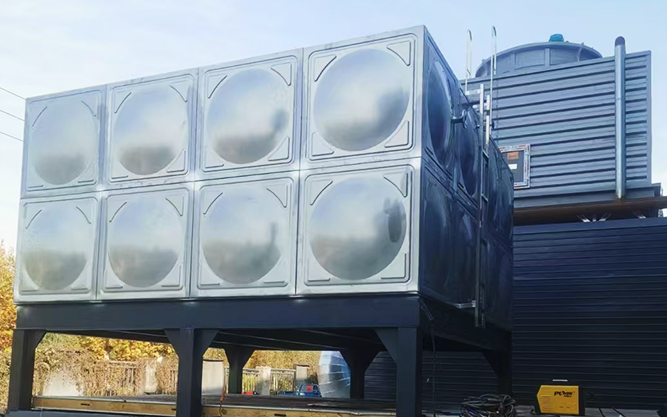
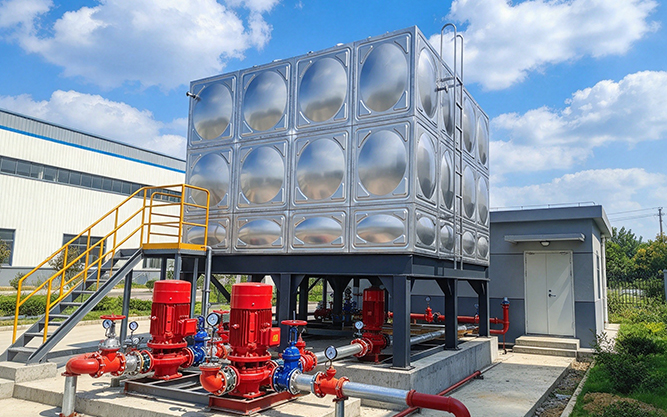
The capacity of a fire-fighting water tank is not determined solely by the available site area; it must be established based on the building's intended use, the design of the fire water supply system, and applicable technical standards. For instance, the ZYB series of stainless steel tanks—as referenced in the provided documentation—includes models with capacities ranging from 1 to 504 m³, with corresponding dimensions (length, width, and height) as well as specified thicknesses for the top and bottom panels. Tanks made from different materials or featuring alternative structural designs may have different capacity ranges. Before selecting a model, it is advisable to gather information regarding the required design capacity, the intended installation location, available dimensions, foundation conditions, piping (inlet/outlet) requirements, and space for maintenance access. Furthermore, the panel thickness, internal bracing, and support structures must be appropriately matched to the tank's dimensions and the expected water pressure; the final specifications should strictly adhere to the project-approved drawings and technical documentation.
Related articles
Fire water tank
What Types of Firefighting Water Tanks Are There? A Guide to Selecting Stainless Steel, SMC, Enameled, and BDF Water Tanks
Fire water tank
What should be prioritized during the installation and acceptance of fire water tanks? Guidelines for piping, liquid level monitoring, and maintenance access.
Related products
FAQs
Frequently asked questions related to this article.
View details
What inspections and maintenance checks are required for fire-fighting water tanks?
Can fire water tanks be installed on the roof, on the ground, or underground?
How do fire water tanks replenish their water supply and provide water to the fire protection system?
How are the capacity and dimensions of a fire water tank determined?
What are the types and materials of fire-fighting water tanks?
What is the primary function of a fire water tank?


Contact us
If you have questions or need help, contact our team for dedicated support.
We look forward to hearing from you
Submit
Online
Send email