




View details
Fire water tank
How are the capacity and dimensions of a fire water tank determined? What information is required for project selection?
Online


Send email


Fire water tank
1793087551000
What Types of Firefighting Water Tanks Are There? A Guide to Selecting Stainless Steel, SMC, Enameled, and BDF Water Tanks
Views:0
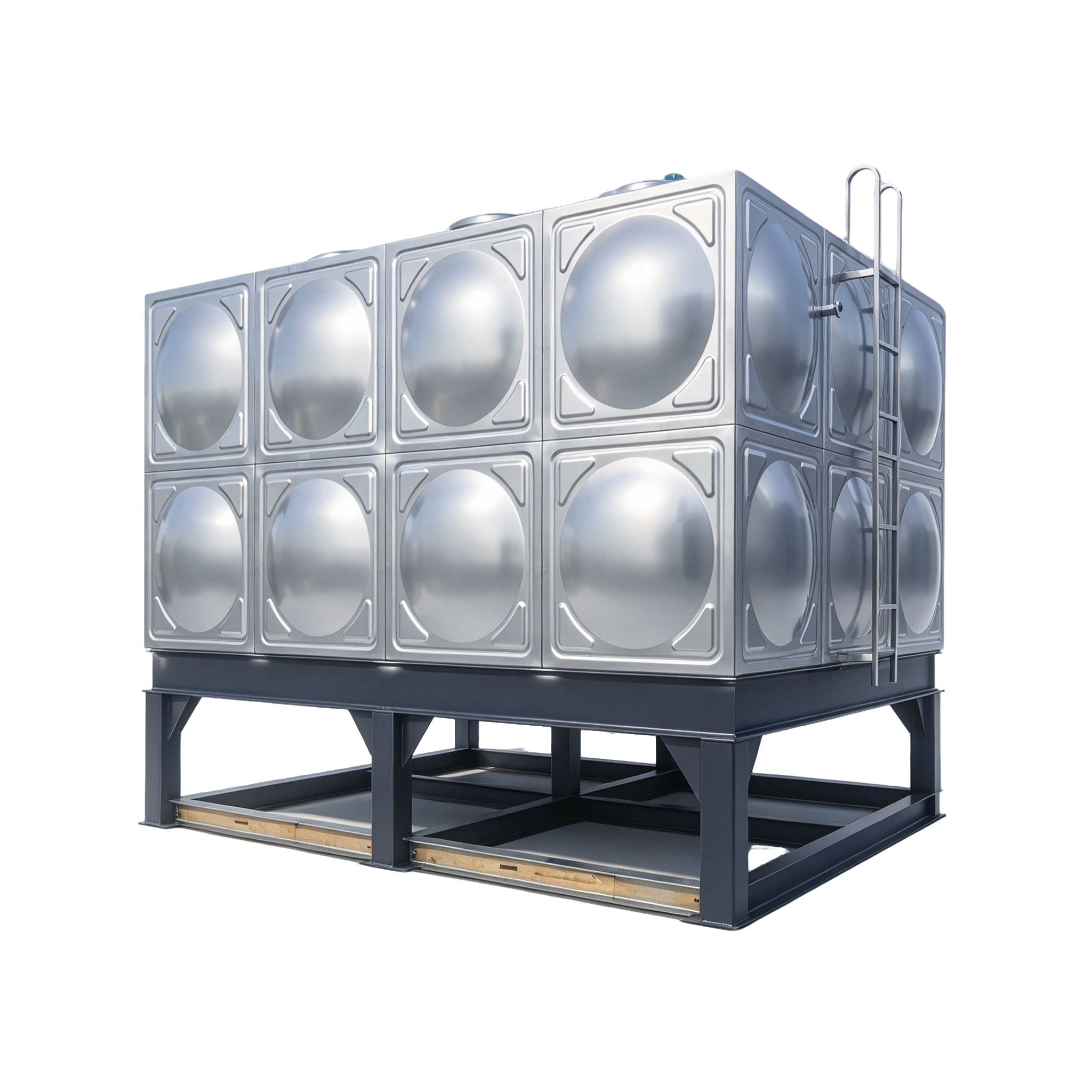
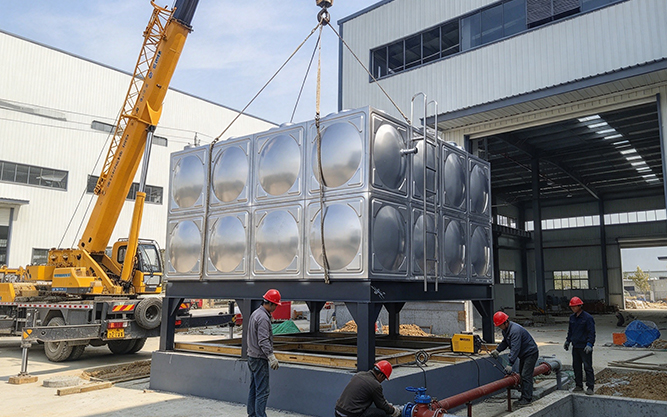
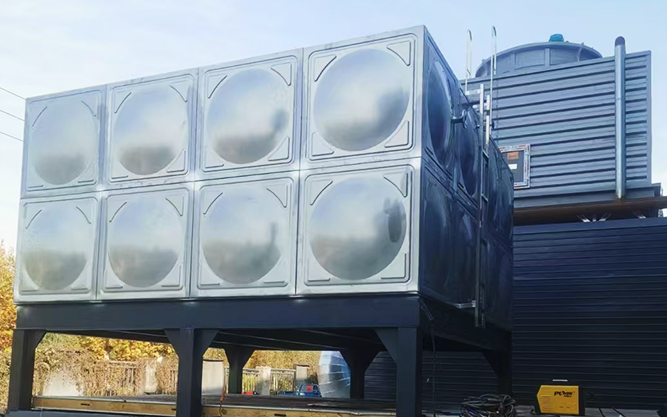
Fire-fighting water tanks can be constructed using various materials and methods, including assembled welded stainless steel, SMC (sheet molding compound) modular fiberglass, enameled steel, powder-coated steel, hot-dip galvanized steel, or BDF (bolted/assembled) stainless steel composite panels. These options differ in terms of panel structure, connection methods, on-site installation requirements, corrosion resistance, and suitability for above-ground or underground placement. When selecting a tank, it is essential to first determine whether it is intended exclusively for fire-fighting purposes or for shared use with other water supply systems. Furthermore, the choice should be based on a comprehensive evaluation of factors such as tank capacity, installation location, water quality requirements, site environment, and maintenance conditions. The material and structure of the water tank must align with both the project design specifications and local regulatory requirements; a selection should not be made based solely on general claims like "corrosion resistance" or "long service life."
Related articles
Fire water tank
How are the capacity and dimensions of a fire water tank determined? What information is required for project selection?
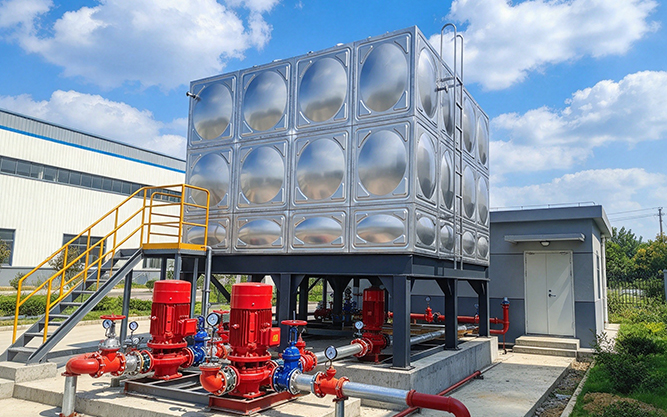
Fire water tank
What should be prioritized during the installation and acceptance of fire water tanks? Guidelines for piping, liquid level monitoring, and maintenance access.
Related products
FAQs
Frequently asked questions related to this article.
View details
What inspections and maintenance checks are required for fire-fighting water tanks?
Can fire water tanks be installed on the roof, on the ground, or underground?
How do fire water tanks replenish their water supply and provide water to the fire protection system?
How are the capacity and dimensions of a fire water tank determined?
What are the types and materials of fire-fighting water tanks?
What is the primary function of a fire water tank?


Contact us
If you have questions or need help, contact our team for dedicated support.
We look forward to hearing from you
Submit
Online
Send email