




View details
Industrial Exhaust Gas Treatment Equipment
What are the differences between packed towers and tray towers? Considerations for selecting the structure of an absorption tower
Online


Send email


Industrial Exhaust Gas Treatment Equipment
1793174948000
How Do Absorption Towers Purify Waste Gas? Gas-Liquid Contact and Pollutant Removal Processes
Views:0
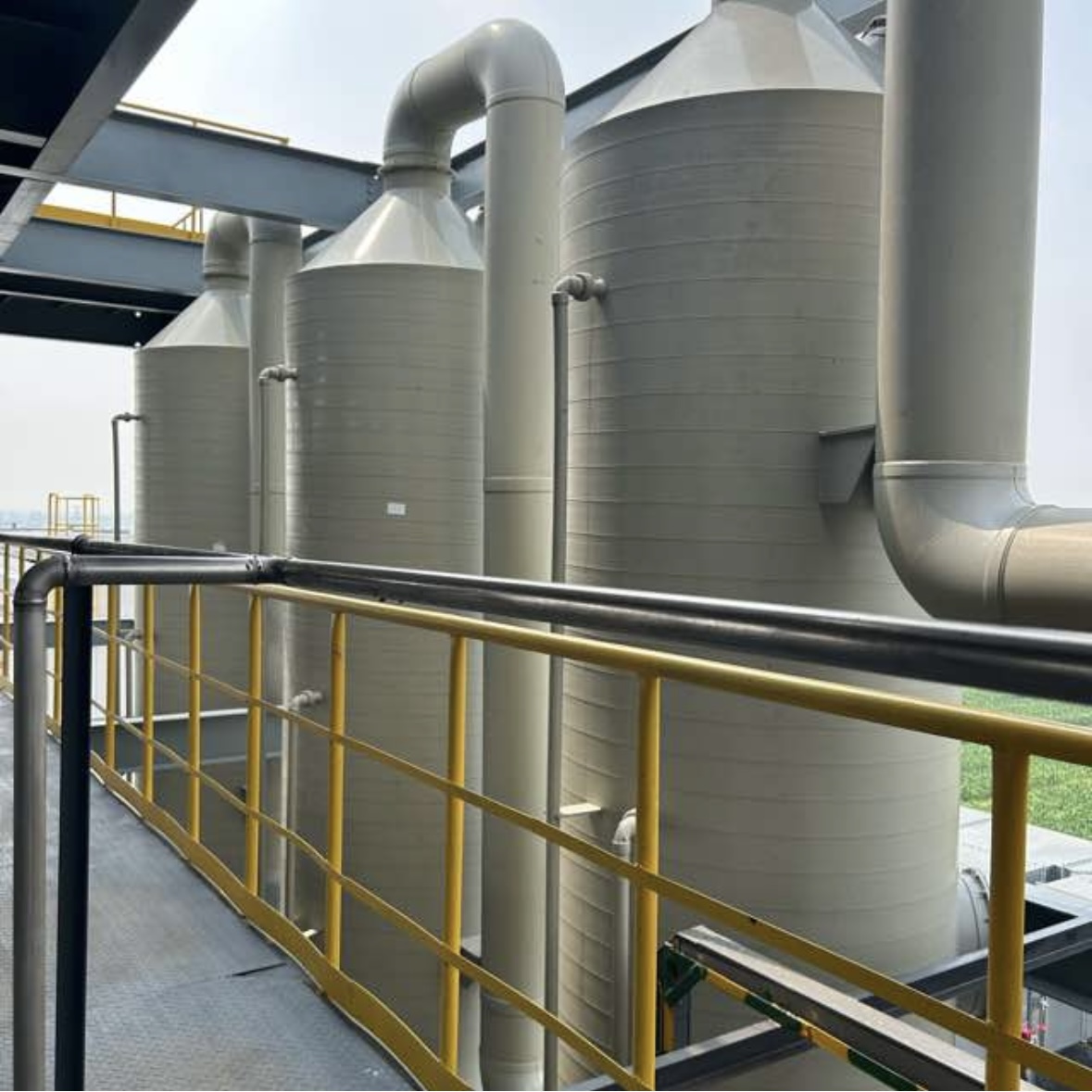
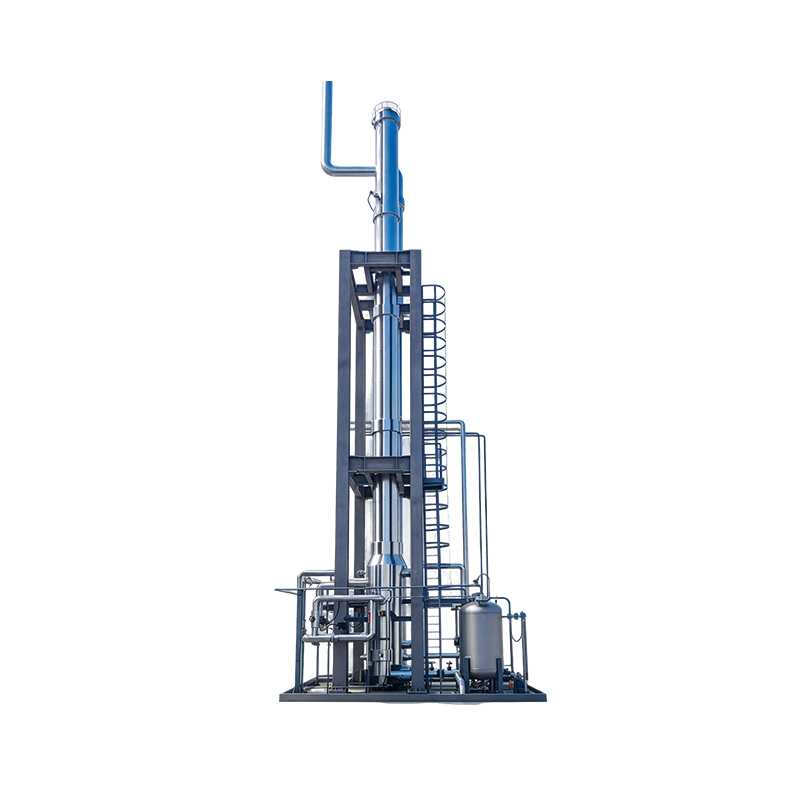
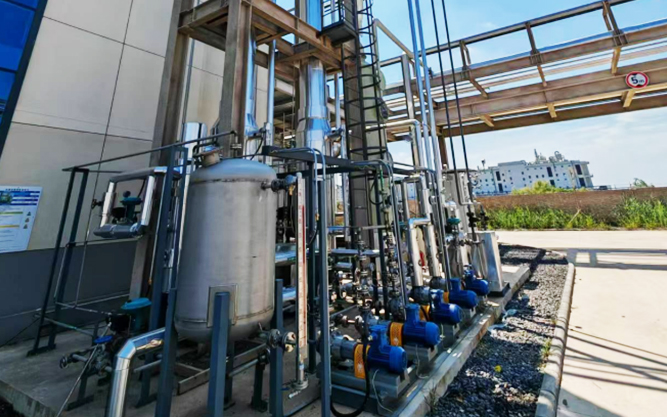
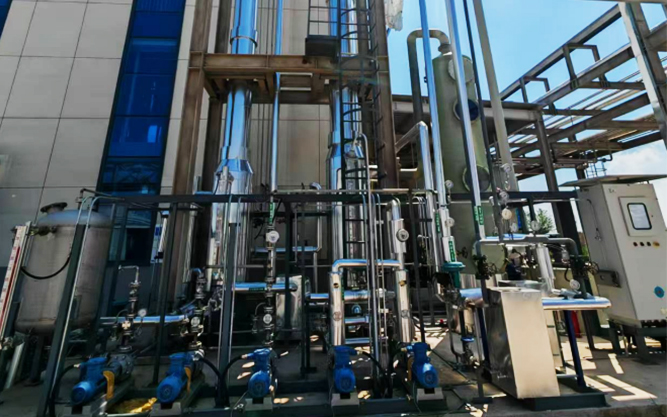
In an absorption tower, waste gas comes into full contact with a liquid absorbent, causing pollutants to transfer from the gas phase to the liquid phase or to undergo a chemical reaction with the absorbent. Waste gas enters the lower section of the tower and flows upward, while the absorbent is sprayed downward from the top, creating a counter-current contact pattern within the tower. Pollutants are either dissolved or chemically converted into the liquid phase; the purified gas then passes through a mist eliminator at the top of the tower—which minimizes the entrainment of liquid droplets—before being discharged. The absorption liquid, upon exiting the bottom of the tower, can be recirculated, replenished with additional reagents, or drained as waste, depending on specific operational requirements. The choice of absorbent, the gas-to-liquid ratio, and the circulation method must be determined based on the composition of the waste gas and the required treatment standards.
Related articles
Industrial Exhaust Gas Treatment Equipment
What are the differences between packed towers and tray towers? Considerations for selecting the structure of an absorption tower
Industrial Exhaust Gas Treatment Equipment
How to Select Materials for Absorption Towers? A Guide Based on Corrosive Exhaust Gases and Operating Temperatures
Related products
FAQs
Frequently asked questions related to this article.
View details
What are the air handling capacities and models available for the absorption tower?
What materials are available for absorption towers, and what are their temperature ranges?
What are the structural configurations of absorption towers, and how should one be selected?
What is the difference between an absorption tower and a spray tower?
How do absorption towers purify waste gas?
What types of waste gases are absorption towers primarily used to treat?


Contact us
If you have questions or need help, contact our team for dedicated support.
We look forward to hearing from you
Submit
Online
Send email