




View details
Industrial Exhaust Gas Treatment Equipment
How Do Absorption Towers Purify Waste Gas? Gas-Liquid Contact and Pollutant Removal Processes
Online


Send email


Industrial Exhaust Gas Treatment Equipment
1793175008000
How to Select Materials for Absorption Towers? A Guide Based on Corrosive Exhaust Gases and Operating Temperatures
Views:0
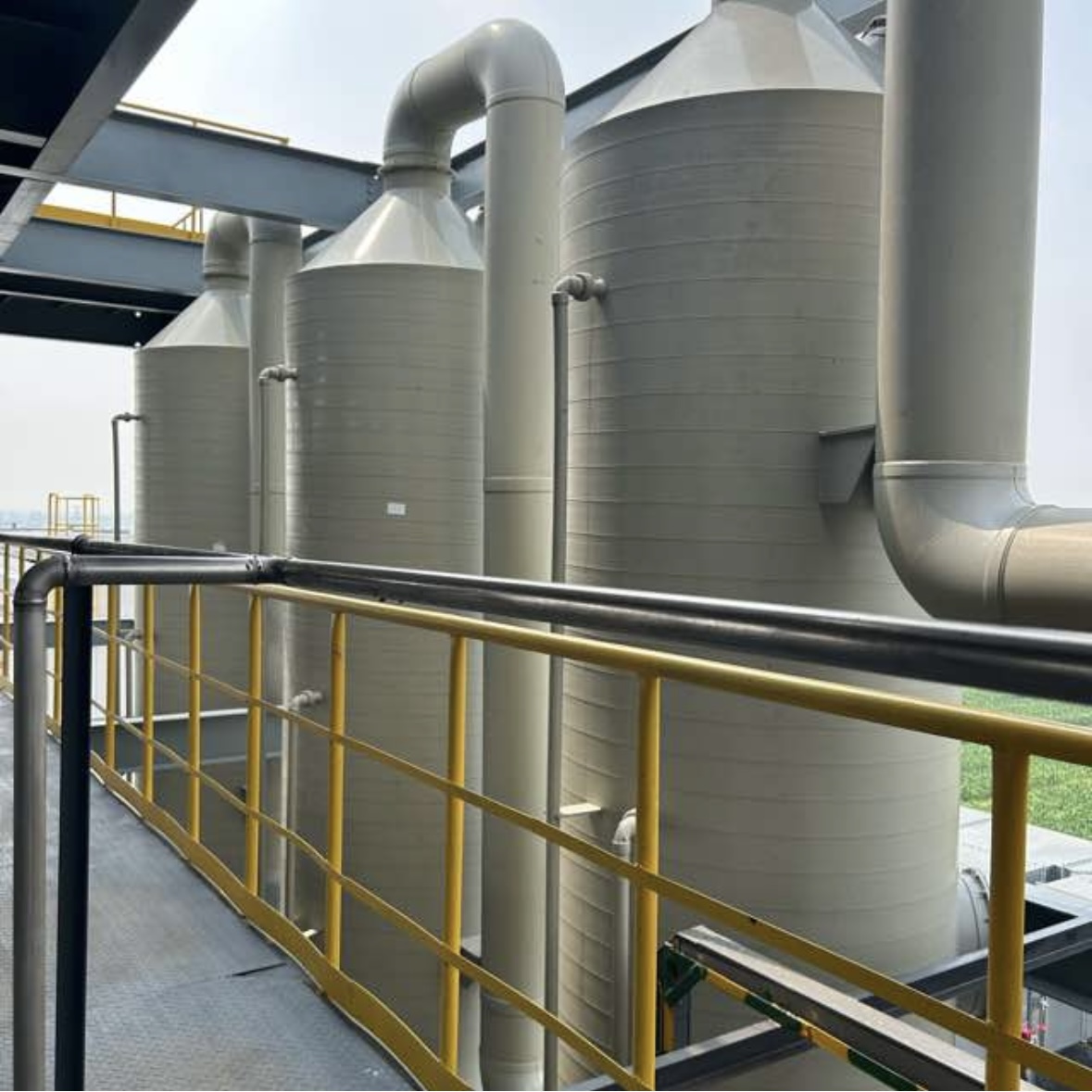
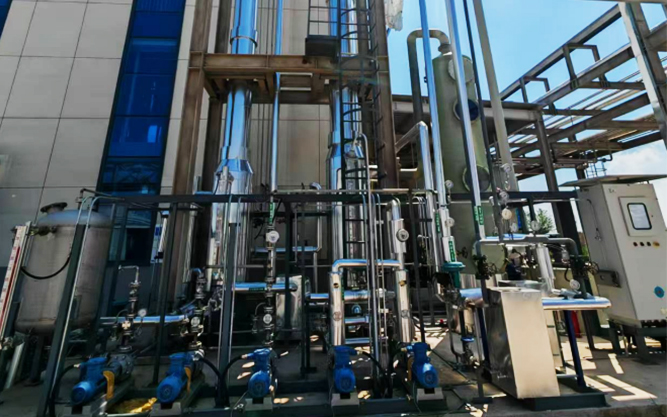
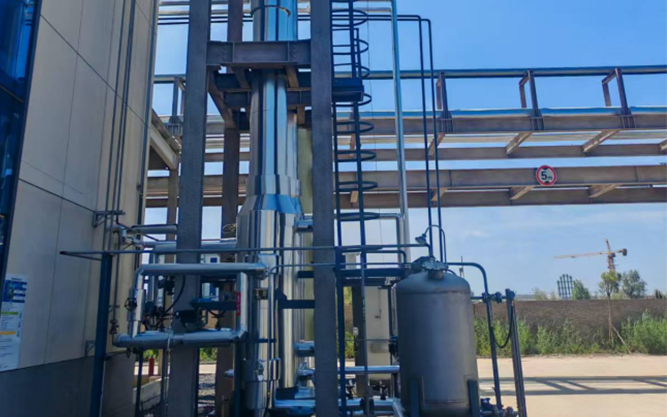
The material for an absorption tower should be selected based on a comprehensive assessment of the exhaust gas and absorption liquid composition, their corrosivity, operating temperatures, and the equipment's structural design. Common options include rubber-lined carbon steel, polypropylene (PP), fiber-reinforced plastic (FRP), and 304/316L stainless steel. Rubber-lined carbon steel may be used in specific, pre-evaluated weak acid or alkaline environments. PP and FRP are suitable for various corrosive conditions, though their respective temperature limits must be taken into account. For stainless steel, the specific grade must be verified against the corrosion resistance requirements for the given medium. Typical temperature limits are ≤80°C for PP, ≤120°C for FRP, and up to 300°C for stainless steel; however, the actual operating range must be confirmed based on specific material specifications and design parameters. Clearly defining the gas and liquid media, temperatures, and operating conditions is essential for determining the appropriate materials for the tower shell and its internal components.
Related articles
Industrial Exhaust Gas Treatment Equipment
How Do Absorption Towers Purify Waste Gas? Gas-Liquid Contact and Pollutant Removal Processes
Industrial Exhaust Gas Treatment Equipment
What are the differences between packed towers and tray towers? Considerations for selecting the structure of an absorption tower
Related products
FAQs
Frequently asked questions related to this article.
View details
What are the air handling capacities and models available for the absorption tower?
What materials are available for absorption towers, and what are their temperature ranges?
What are the structural configurations of absorption towers, and how should one be selected?
What is the difference between an absorption tower and a spray tower?
How do absorption towers purify waste gas?
What types of waste gases are absorption towers primarily used to treat?


Contact us
If you have questions or need help, contact our team for dedicated support.
We look forward to hearing from you
Submit
Online
Send email