Select a country or region

Global

English

What are the differences between packed towers and tray towers? Considerations for selecting the structure of an absorption tower

Industrial Exhaust Gas Treatment Equipment

1793174977000

What are the differences between packed towers and tray towers? Considerations for selecting the structure of an absorption tower

Views:0

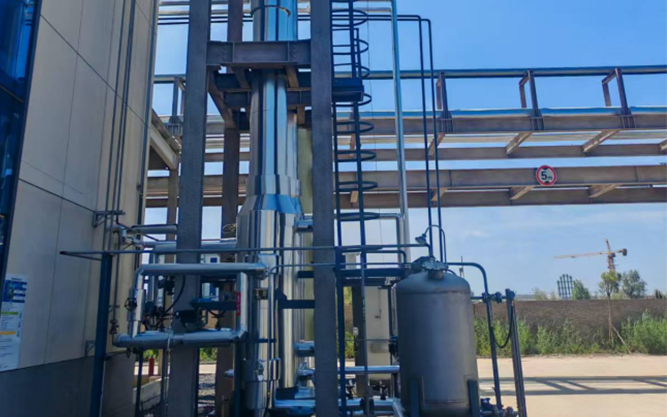
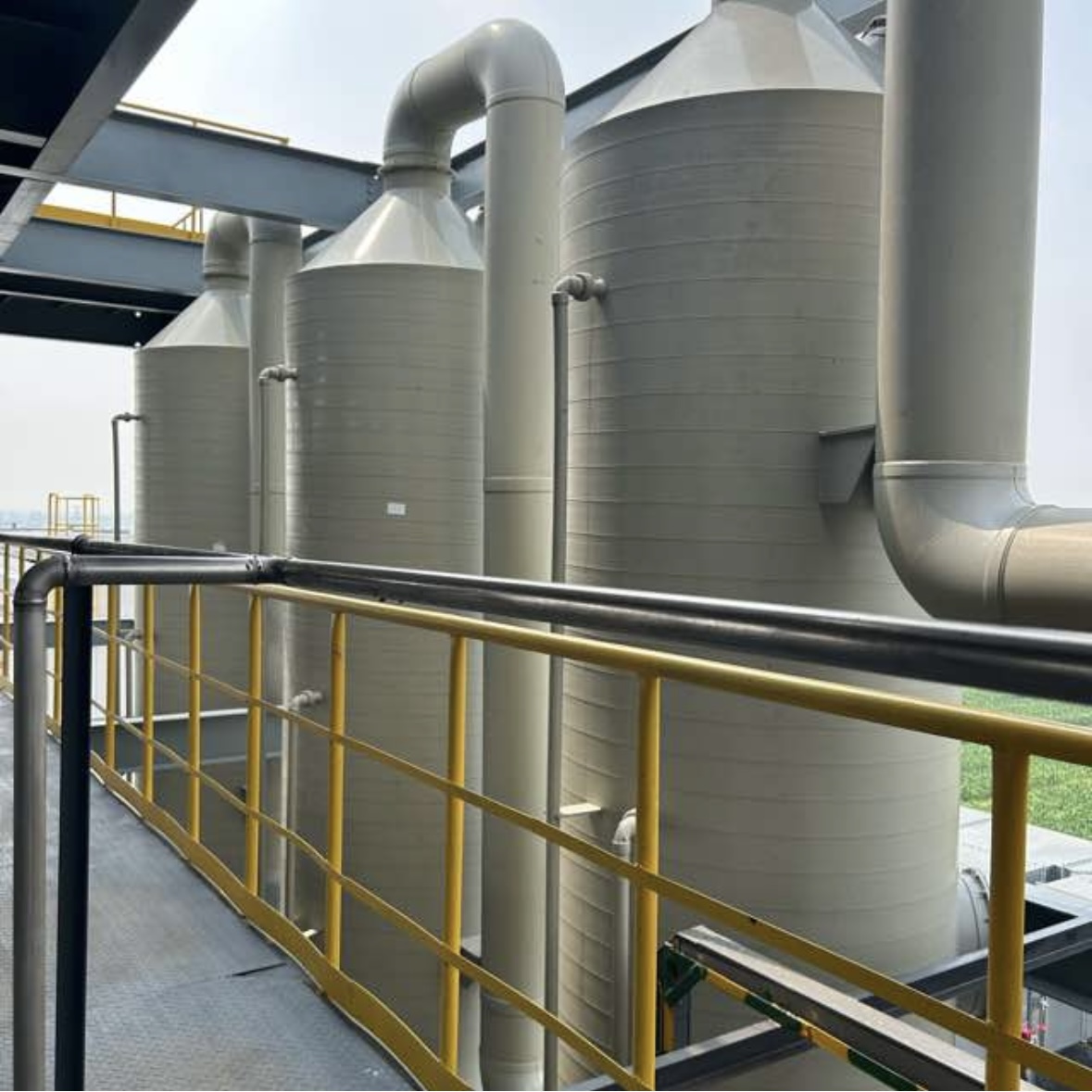
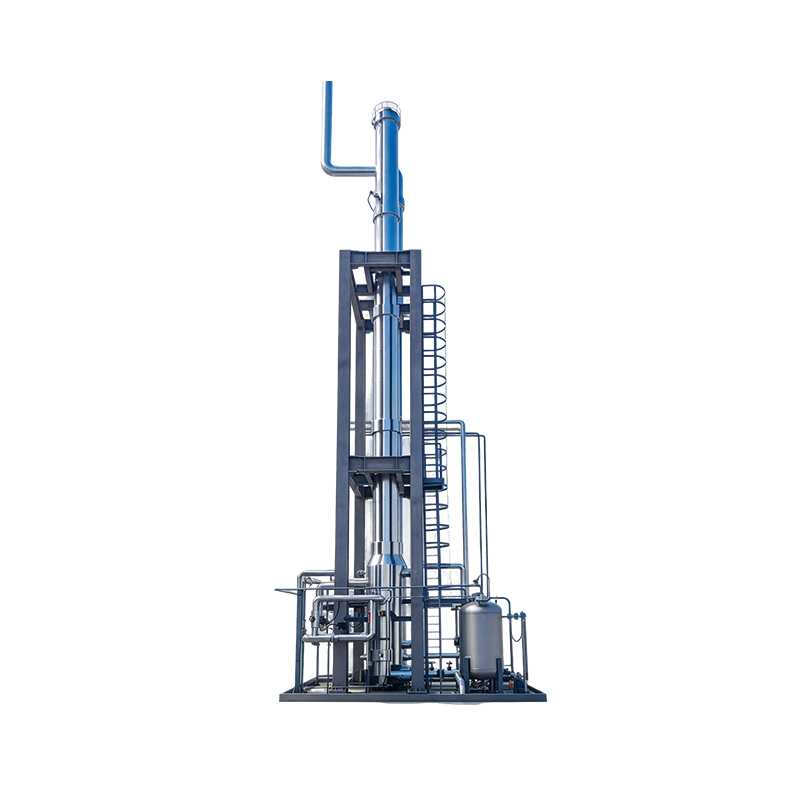
Common types of absorption towers include packed towers and tray (plate) towers; they differ in their internal construction and the mechanisms by which gas and liquid come into contact. The choice between them depends on the specific requirements of the project. Selection should be based on a comprehensive assessment of factors such as the exhaust gas flow rate, the types and concentrations of pollutants, the properties of the absorbent, the required treatment standards, and on-site installation conditions. Key parameters—including tower diameter, tower height, internal components, and the gas-to-liquid ratio—must also be evaluated. In cases involving high-concentration exhaust gas or absorption processes in the fine chemical industry, the selection of a tower type cannot be based solely on the "high concentration" factor; it is also essential to verify that the target pollutants and the chosen absorbent are effectively compatible. Furthermore, the superficial gas velocity, pressure drop, and gas-to-liquid ratio must be integrated into the overall process design.

Related products

FAQs

Frequently asked questions related to this article.

View details

What are the air handling capacities and models available for the absorption tower?

The provided data indicates an operating airflow range of 500–30,000 m³/h. Available models include the ABT-3000, ABT-8000, and ABT-15000, with corresponding airflow capacities of 3,000, 8,000, and 15,000 m³/h, respectively. Tower diameter, height, and material of construction can be customized based on specific operating conditions; final model selection should also take into account factors such as pollutant concentration, superficial gas velocity, and the absorption medium.

What materials are available for absorption towers, and what are their temperature ranges?

Materials such as rubber-lined carbon steel, PP, FRP (fiber-reinforced plastic), and 304/316L stainless steel can be evaluated based on specific operating conditions. Reference temperature ranges are as follows: PP ≤ 80°C, FRP ≤ 120°C, and stainless steel up to 300°C. The actual applicable temperature and corrosion resistance must be determined by considering the specific process medium, material specifications, and equipment design.

What are the structural configurations of absorption towers, and how should one be selected?

Common structural configurations include packed towers and tray towers. The selection process should take into account factors such as the exhaust gas flow rate, pollutant concentration, properties of the absorbent, target treatment requirements, and operating conditions; the gas-to-liquid ratio should also be determined based on the absorption medium and the specific project conditions.

What is the difference between an absorption tower and a spray tower?

Both methods utilize gas-liquid contact to treat waste gas. According to the provided information, the absorption tower can be either a packed tower or a tray tower, both of which are suitable for high-concentration waste gas and absorption processes in the fine chemical industry. The specific configuration and process design should be determined based on the composition of the waste gas, the treatment load, and the required absorption specifications.

How do absorption towers purify waste gas?

Exhaust gas enters the lower part of the tower and flows upward, while the absorbent is sprayed downward from the top, creating a countercurrent contact between the gas and liquid phases. Pollutants are transferred into the liquid phase and removed through dissolution or chemical reaction. The purified gas passes through a demister at the top of the tower before being discharged, while the absorbent liquid is either recirculated—with fresh reagents added as needed—or drained, depending on operational requirements.

What types of waste gases are absorption towers primarily used to treat?

Absorption towers can be used to treat acidic, alkaline, and other gaseous pollutants that are absorbable by liquids; examples include HCl, HF, NH₃, NOx, and certain soluble VOCs. Their actual applicability depends on the dissolution or reaction characteristics of the pollutants, as well as the choice of absorbent and the specific process conditions.

Contact us

If you have questions or need help, contact our team for dedicated support.

We look forward to hearing from you

Submit