




View details
Wedge wire screen
How Do Wedge Wire Screen Panels Work? An Overview of Their Structure and Applications in Screening and Filtration
Online


Send email


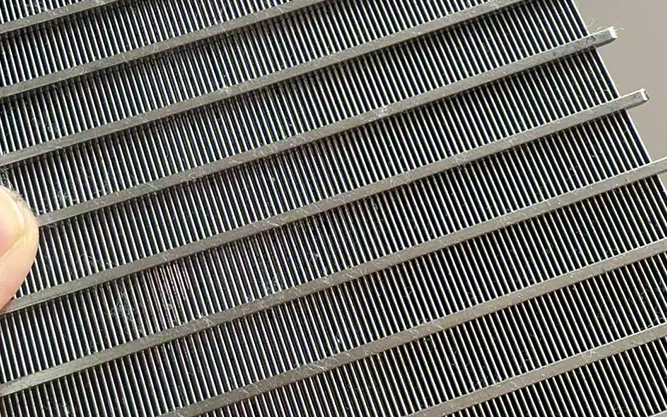
Wedge wire screen
1793148560000
How to Choose the Material for Wedge Wire Screen Panels? Applicability of Stainless Steel, Duplex Steel, and Carbon Steel
Views:0
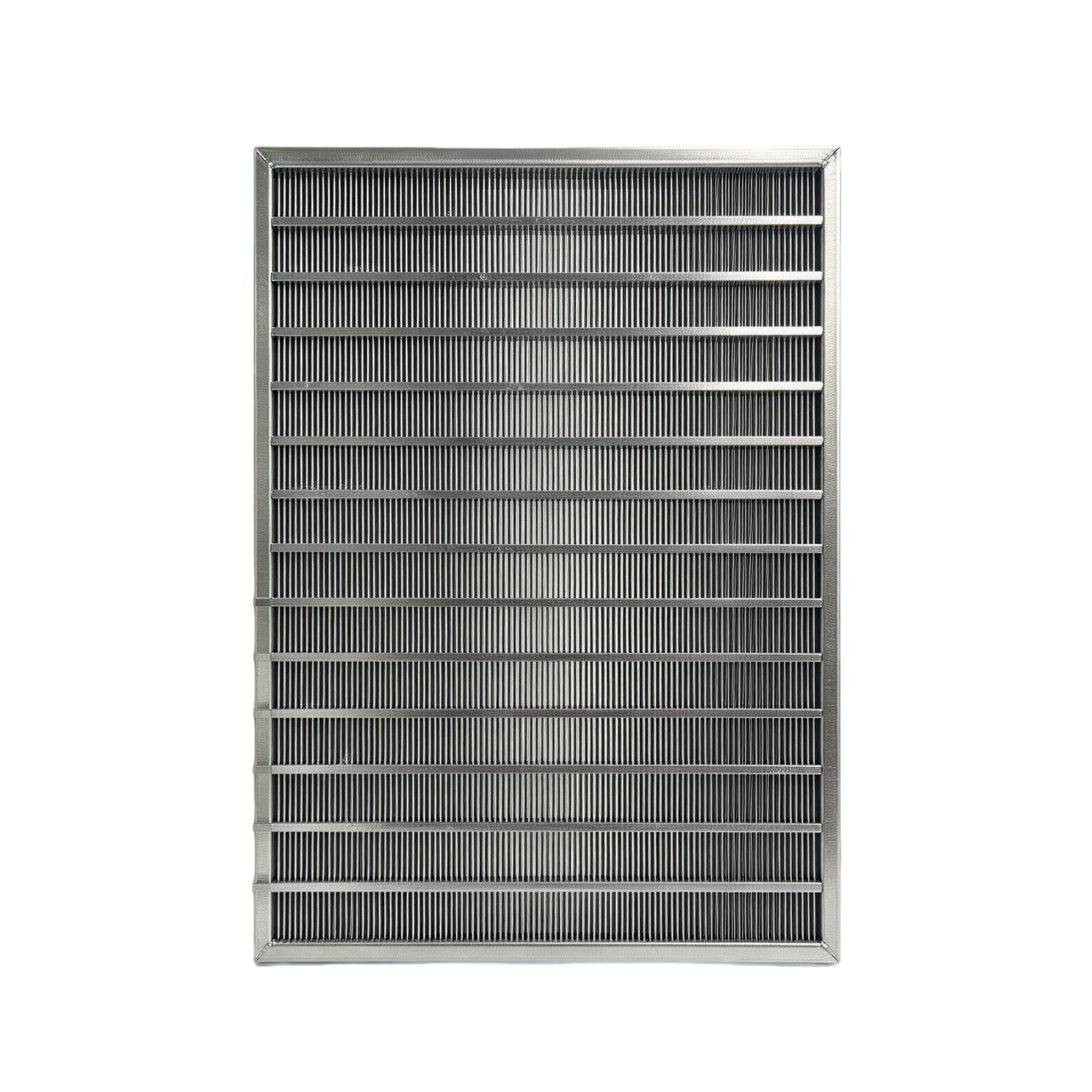
Wedge-wire screen panels can be manufactured from 304, 304L, 316, or 316L stainless steel. Depending on the specific medium and operating conditions, alternative materials—such as duplex stainless steel, special alloys, or carbon steel with anti-corrosion treatment—may be selected. Stainless steel is frequently evaluated for applications in water treatment, food and beverage processing, and similar sectors. For environments involving seawater or highly corrosive media, duplex steel or special alloys may be required. Carbon steel may be used in confirmed low-corrosion environments, provided that appropriate surface anti-corrosion treatments are applied. When selecting materials, it is essential to consider the composition of the medium, operating temperature, corrosivity, and potential for abrasion. Furthermore, the screen panel’s support structure and expected load must be verified; material selection should not be based solely on industry category or generic material names.
Related products
FAQs
Frequently asked questions related to this article.
View details
What structural configurations and dimensions can be customized for wedge-wire screen panels?
What materials are available for wedge-wire screen panels?
How should the slot width, open area ratio, and plate thickness for a screen plate be selected?
In which industries and processes can wedge-wire screen panels be used?
What is the difference between wedge wire screen plates and wedge wire screen tubes?
What is a wedge-wire screen plate?


Contact us
If you have questions or need help, contact our team for dedicated support.
We look forward to hearing from you
Submit
Online
Send email