Select a country or region

Global

English

How to Select Slot Size and Open Area for Wedge Wire Screen Panels? Considerations for Dimensions and Structural Design

Wedge wire screen

1793148527000

How to Select Slot Size and Open Area for Wedge Wire Screen Panels? Considerations for Dimensions and Structural Design

Views:0

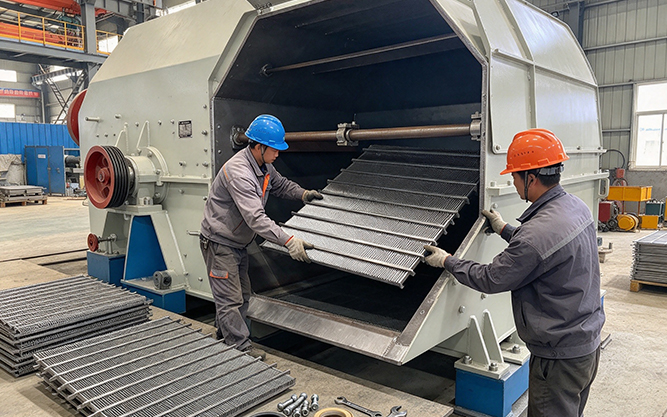
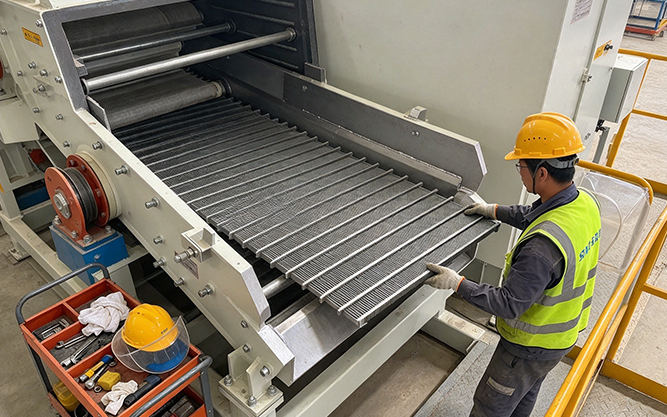
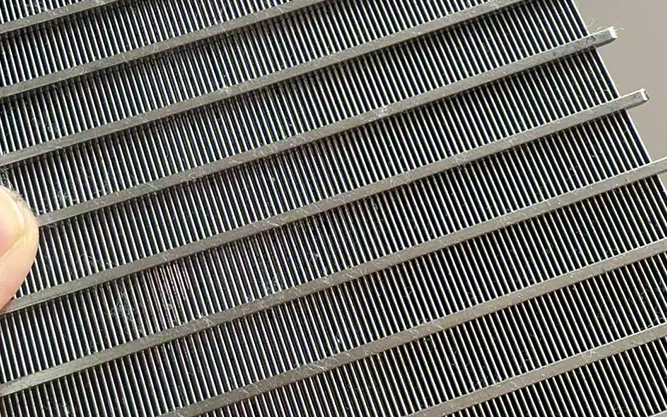
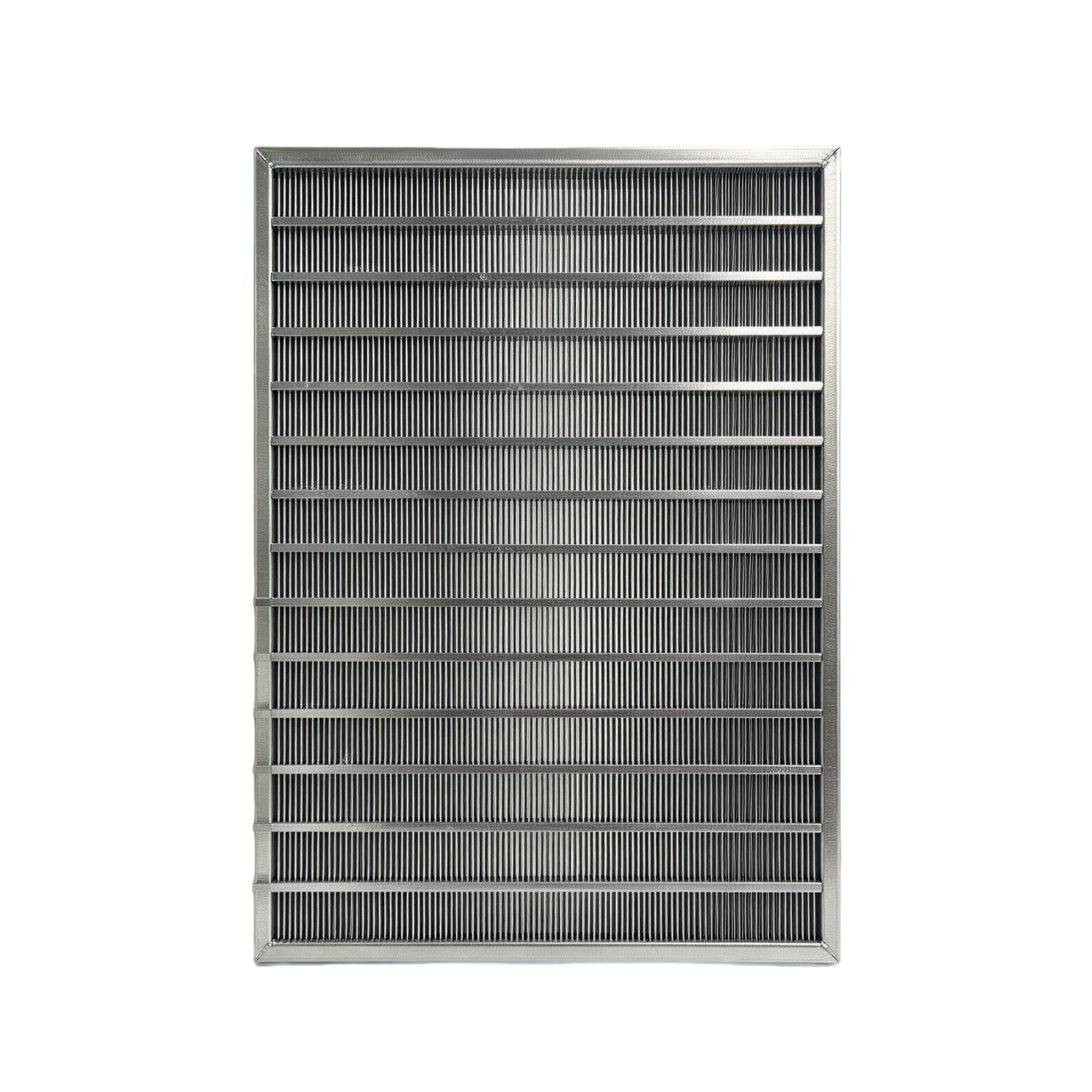
The slot width, open area ratio, plate thickness, and overall dimensions of a screen plate must be determined based on the screening objectives, throughput, and equipment configuration. Since slot widths that are either too large or too small can adversely affect separation results and operational performance, it is essential to define the target particle size, material characteristics, fluid (liquid or gas) flow rates, and the specific installation location of the screen plate prior to selection. Standard product specifications typically feature slot widths ranging from 0.05 to 10 mm, an open area ratio of approximately 10% to 50%, and a total plate thickness of 10 to 50 mm; however, these parameters may vary depending on the specific size and configuration. The choice between flat, curved, or bent screen plate designs should be made with consideration for material flow and available equipment space, with final specifications confirmed against technical drawings and process requirements.

Related products

FAQs

Frequently asked questions related to this article.

View details

What structural configurations and dimensions can be customized for wedge-wire screen panels?

Screen plates can be customized to meet specific equipment requirements—whether flat, curved, bent, or in a composite configuration—with tailored dimensions, gap sizes, aperture ratios, thicknesses, and materials. Providing equipment drawings, installation space details, the medium being processed, and specific screening requirements will help determine the precise specifications for the screen plates.

What materials are available for wedge-wire screen panels?

Common materials include 304, 304L, 316, and 316L stainless steel. Depending on operating conditions, options may also include duplex stainless steel, special alloys, or carbon steel with anti-corrosion surface treatment. When selecting materials, it is essential to verify the composition of the medium, its corrosivity, temperature, and wear conditions; material selection should not be based solely on industry-standard designations.

How should the slot width, open area ratio, and plate thickness for a screen plate be selected?

The slot width should be determined based on the target particle size for screening and the characteristics of the material. Factors such as the open area ratio, plate thickness, and support structure must also be considered in conjunction with the processing capacity, installation method, and loading conditions. The typical slot range provided in the documentation is 0.05–10 mm; however, actual specifications can be customized to meet specific requirements.

In which industries and processes can wedge-wire screen panels be used?

Suitable for dewatering and classification of minerals, coal, and aggregates; for use as curved screens or static screens in wastewater treatment; and for solid-liquid separation or filtration in industries such as chemicals, food processing, and pharmaceuticals. Specific suitability should be determined based on material properties, throughput, and process conditions.

What is the difference between wedge wire screen plates and wedge wire screen tubes?

Screen plates are flat or curved components suitable for planar screening applications that require a large filtration area, as well as for use as equipment linings. Screen tubes, by contrast, feature a cylindrical structure and differ in both their form and installation method. The specific choice depends on factors such as available equipment space, the direction of filtration, and the processing requirements.

What is a wedge-wire screen plate?

Wedge-wire screen panels are constructed by welding V-shaped profile wires onto support rods and can be fabricated into flat, curved, or bent configurations. The gaps on the screen surface are designed for screening, filtration, or the distribution of water or gas; these panels can be installed within tanks, vessels, or other types of equipment.

Contact us

If you have questions or need help, contact our team for dedicated support.

We look forward to hearing from you

Submit