




View details
Wedge wire screen
How to Select Slot Size and Open Area for Wedge Wire Screen Panels? Considerations for Dimensions and Structural Design
Online


Send email


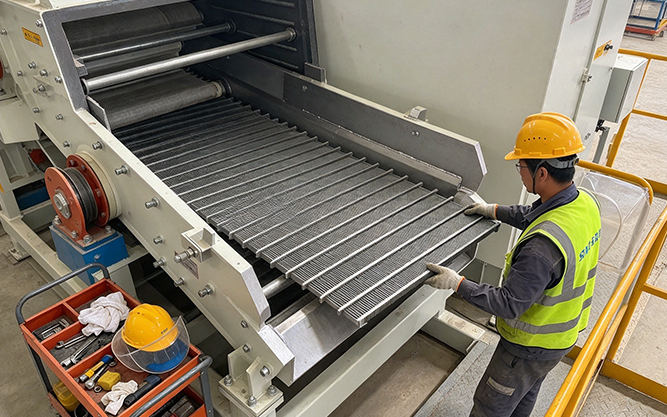
Wedge wire screen
1793148493000
How Do Wedge Wire Screen Panels Work? An Overview of Their Structure and Applications in Screening and Filtration
Views:0
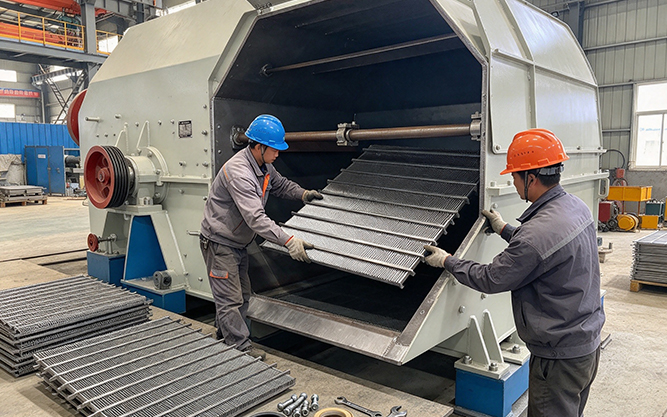
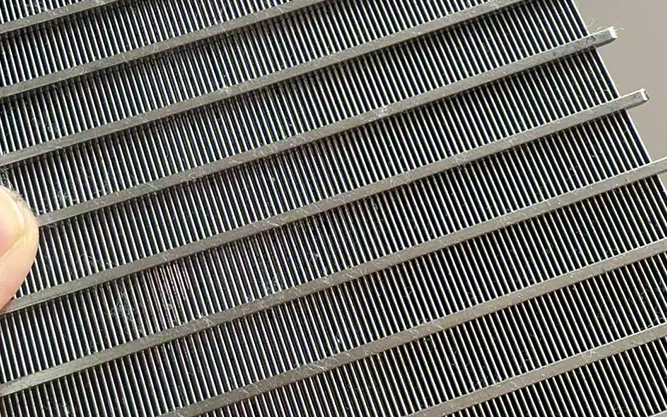
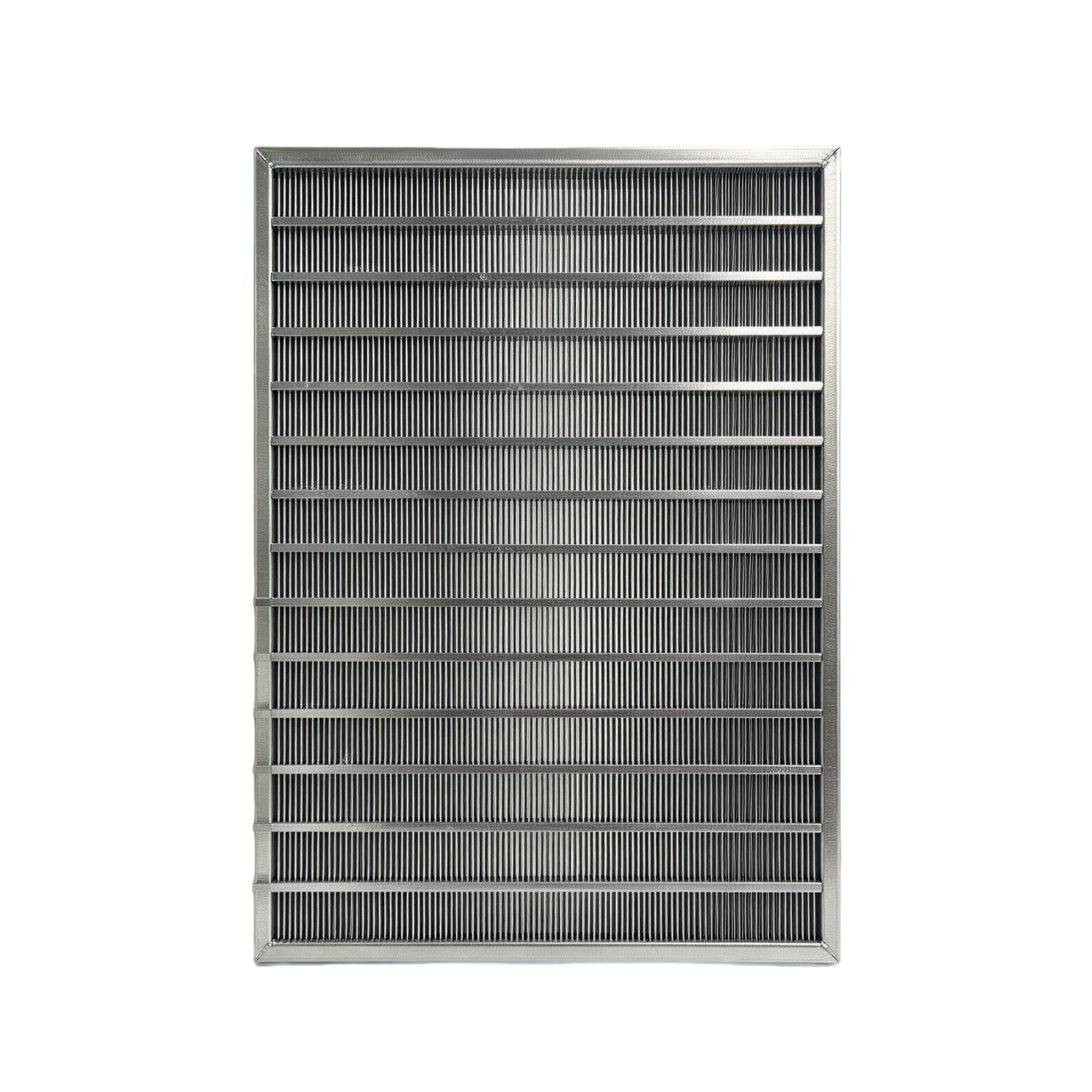
Wedge-wire screen panels are constructed by welding V-shaped profile wires onto longitudinal support rods, creating a flat or curved screening surface with uniform, precise slots. As material passes over the screen, liquids or particles meeting specific size criteria flow through the slots, while solid particles are either retained or classified according to process requirements. These screens are used for applications such as dewatering, solid-liquid separation, filtration, fluid/gas distribution, and as support media for internal equipment packing; they are commonly employed in the mining, water treatment, chemical, food, and pharmaceutical industries. The specific screening performance depends on factors such as slot size, open area, the characteristics of the material particles, and the operating conditions of the equipment; therefore, design parameters must be determined based on the actual application requirements.
Related products
FAQs
Frequently asked questions related to this article.
View details
What structural configurations and dimensions can be customized for wedge-wire screen panels?
What materials are available for wedge-wire screen panels?
How should the slot width, open area ratio, and plate thickness for a screen plate be selected?
In which industries and processes can wedge-wire screen panels be used?
What is the difference between wedge wire screen plates and wedge wire screen tubes?
What is a wedge-wire screen plate?


Contact us
If you have questions or need help, contact our team for dedicated support.
We look forward to hearing from you
Submit
Online
Send email